
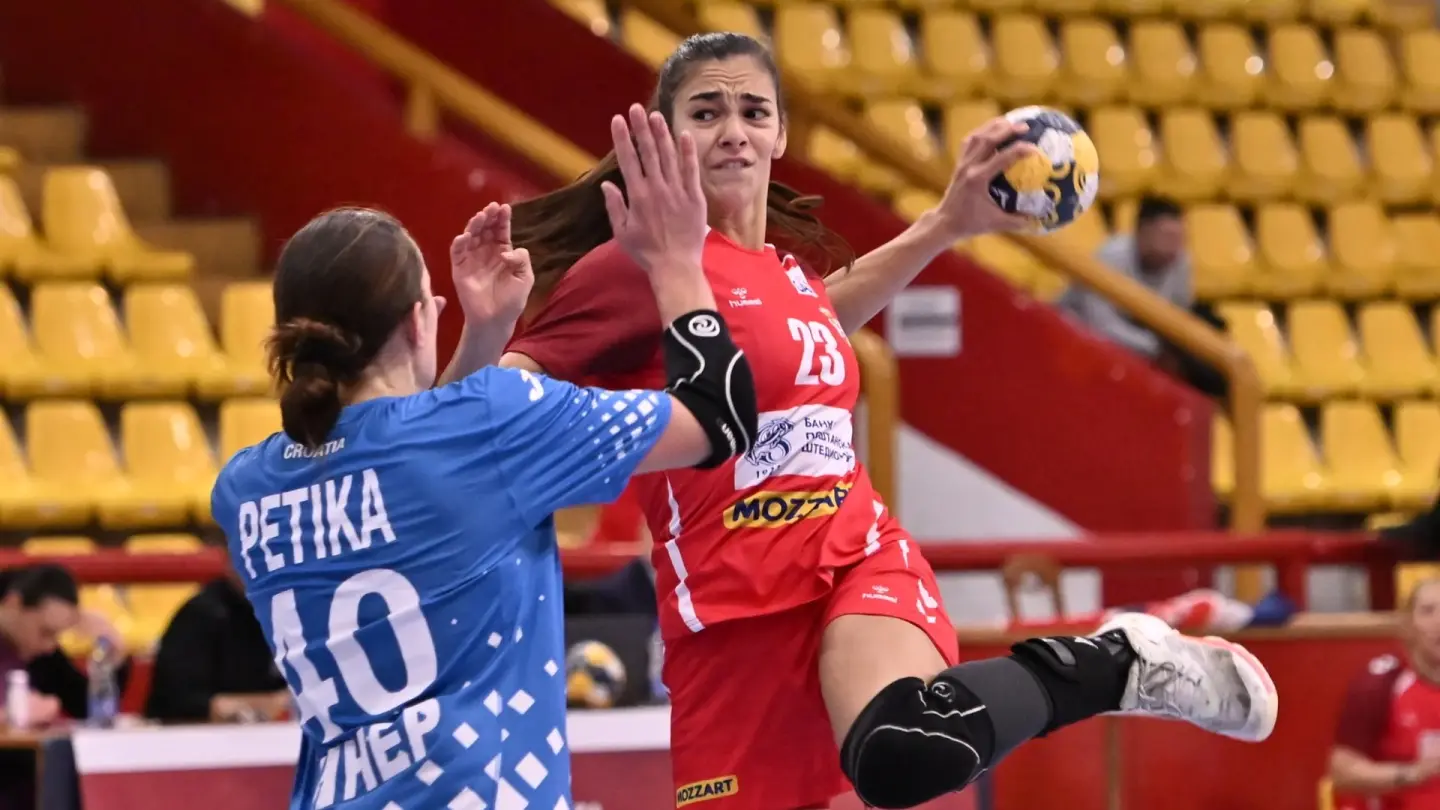
Serbia’s women’s national team were beaten 28:15 by Croatia in Ohrid. They trailed by four goals at the break, but the Croats took control after it, punishing turnovers more effectively and making better use of their squad depth. Kristina Vasić and Jelena Knežević were Serbia’s most productive players, with three goals apiece.
Serbia were four goals down at half-time
The 13:9 scoreline at the interval shows that Serbia were still in touch during the first half. Their defence pushed Croatia towards harder angles in several attacks, and the goalkeeper had time to read the finish. The attack lacked easy goals, yet Vasić, Knežević and their teammates found ways to exploit gaps in the middle of the block.
A four-goal deficit did not call for a completely new plan. Serbia needed to cut down on rushed fast breaks and stop a single mistake from immediately leading to a counterattack. Even so, they came out for the second half without continuity in their passing. When the first attempt broke down, the ball moved more slowly to the other side, and the Croatian defence had time to close the space.
Croatia extended the gap through transition
The biggest problem in the second half was not just the missed chances but what followed them. Croatia moved the ball quickly and attacked before the Serbian defence could get set. Ivana Vuković finished the match with seven goals, while Stela Simara added five. Their output did not come only from long positional attacks.
Serbia needed to stop the first pass earlier and get back through the middle of the court. When players only run back to their position in the formation, a path to goal stays open. The priority is to slow the ball first and only then take the right place in the block. That small change can break the opposition’s run and give the attack time to organise.
Penalties did not separate the two sides
Both teams took four penalties and scored three. That means the large final margin did not come from the seven-metre line. Croatia were more effective in open play, especially while the Serbian defence was still getting back. For the coaching staff, it matters to separate those situations, because fixing penalties would not have solved the main problem in this match.
Serbia had several different scorers, but no player enjoyed a long run of secure positions. Vasić and Knežević scored three goals each, Milosavljević and Radević two each, and five more players added one apiece. The spread shows depth, but also the absence of one dependable action the team can return to when the attack loses its rhythm.
| Indicator | Serbia | Croatia |
|---|---|---|
| Final score | 15 | 28 |
| Half-time | 9 | 13 |
| Penalties | 3/4 | 3/4 |
| Minutes of suspension | 6 | 8 |
Suspensions do not explain the whole gap
Serbia were given six minutes of suspensions, Croatia eight. Even that figure does not offer a simple explanation that the match was lost only through playing a player short. Most of the gap came while the teams had equal numbers on the court. The analysis therefore has to focus on shot quality, the run back on defence and decisions before the final pass.
When a side is behind, it is easy to speed up every attack in the hope of closing the gap at once. That often has the opposite effect. One calm attack, with a change of side and a clear block, can stop a run better than a rushed shot from a poor position. Serbia need to develop exactly that control, particularly with a young and reshuffled line-up.
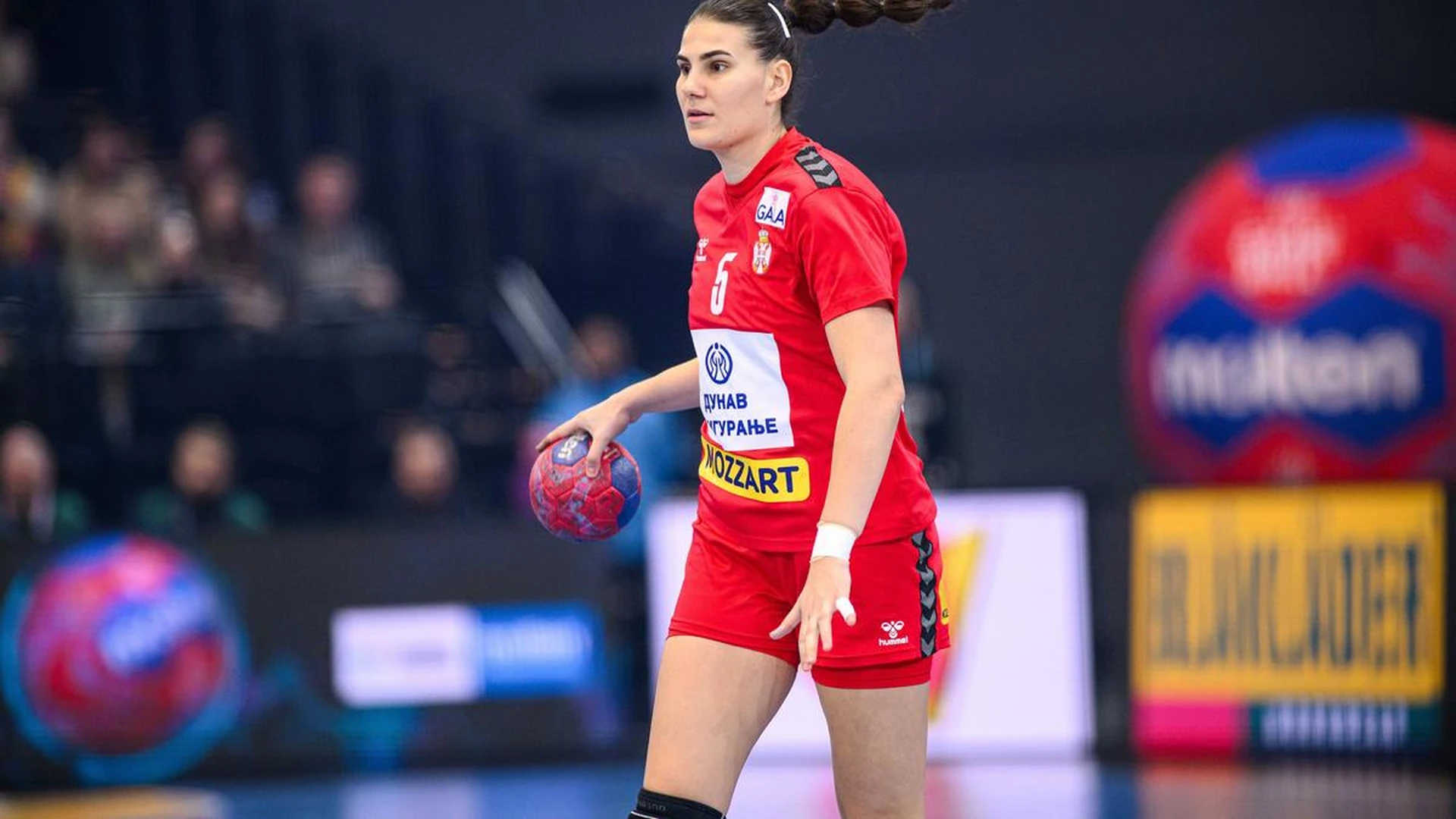
Getting back on defence becomes the first training task
The final 15:28 is a hard result, but the numbers clearly show where to start. The first task is the run back after a lost ball. The second is creating one secure positional action when the opponent raises its aggression. The third is better shot selection, so that Croatia’s goalkeeper gets fewer easy saves that immediately trigger transition play.
A young side will not fix everything in one team talk. It needs training in which an attack only ends once the agreed conditions are met, and the return to defence is judged as a separate part of the action. If Serbia can carry the quality of the first half forward and cut the empty minutes, the next result may show their progress far more realistically.
Serbia must first stabilise their return to defence
After a heavy defeat it is not useful to change everything at once. Serbia could first require the three nearest players to drop back through the middle after every shot. Once that reaction becomes automatic, the coaching staff can refine the positional attack in more detail. One reliable habit reduces easy goals and gives the team more time to learn.
The players then have a clear standard that does not depend on the scoreboard. Even if an attack does not produce a goal, a good return can be a successfully completed task. Small targets like these matter for a young squad because they restore control over part of the game. The result then becomes the product of more correct repetitions, rather than the only measure of progress.