
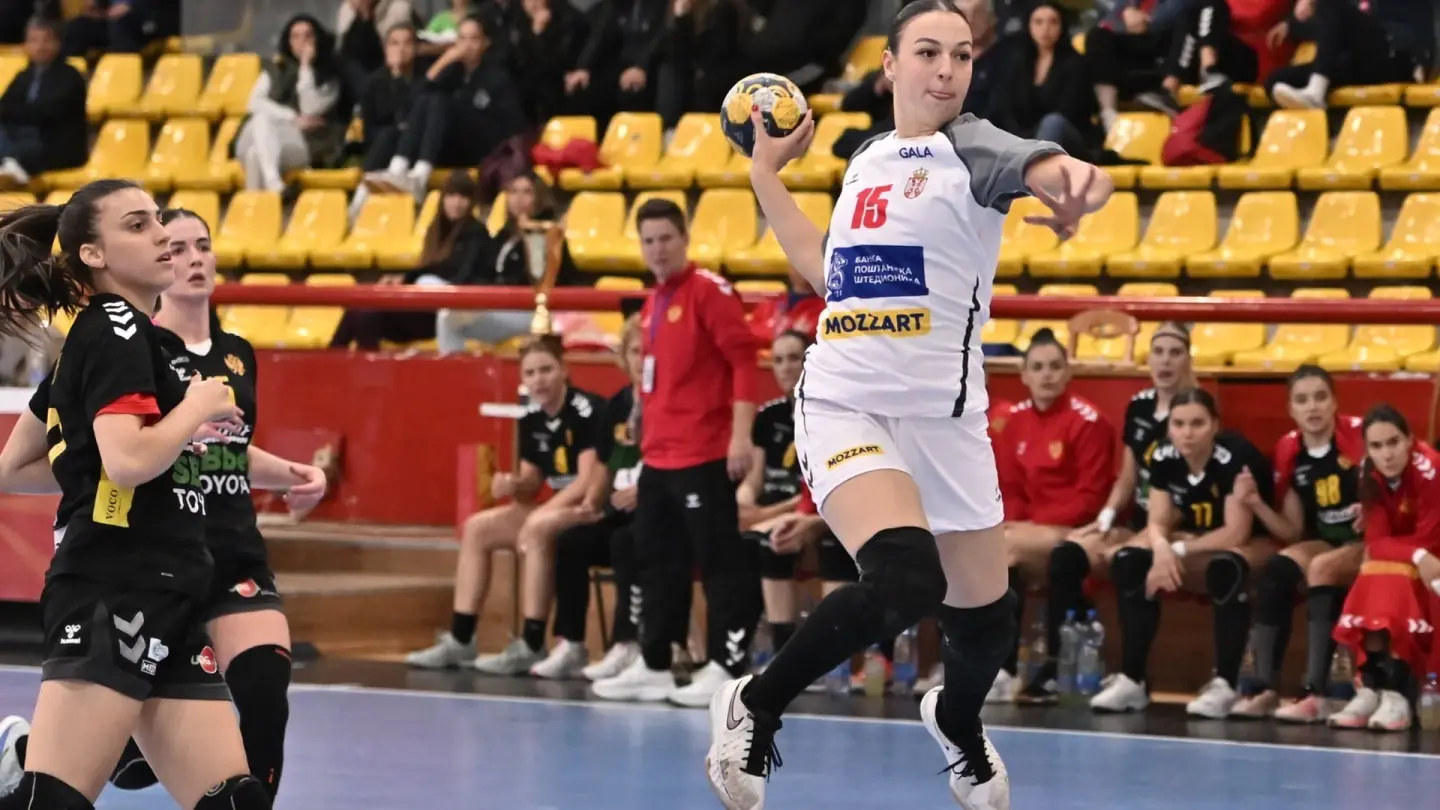
Serbia’s women’s handball team went down 20:19 to Montenegro in the closing match of the Ohrid tournament. Montenegro were ahead 13:10 at the interval, but the youthful Serbian side narrowed the deficit in the second half and got a shot at deciding the tense finale. Jovana Milosavljević netted six goals, while goalkeeper Anđela Simić recorded seven saves and stopped one penalty.
Montenegro finished their early attacks better
The initial gap came from Montenegro’s sharper finishing and their greater number of seven-metre throws. The opposition were awarded eight such throws and converted seven. Serbia had three attempts and scored two, so that phase of play made a noticeable difference in a match decided by a single goal.
The penalty was a consequence of what happened before the foul. Serbia need to look at how their opponents were getting behind the defence or into shooting positions from six metres. Better lateral movement and earlier help could reduce the number of situations in which a defender only reacts once the duel is already lost.
Serbia kept attacking after the break
Montenegro led 13:10 after the first thirty minutes. The young Serbian line-up could have lost rhythm after several wasted attacks, but in the second half they kept making contact and looking for goals from organised play. The comeback was gradual, without relying on one long run.
That kind of response matters especially in a preparatory tournament. Coaches were watching not only the result but also how the players reacted when the plan did not immediately pay off. Serbia showed they could stay in the match, but a complete turnaround needed one calmer decision more in the closing stages.
| Indicator | Serbia | Montenegro |
|---|---|---|
| Half-time | 10 | 13 |
| Final score | 19 | 20 |
| Seven-metre throws | 3/2 | 8/7 |
| Suspensions | 8 minutes | 8 minutes |
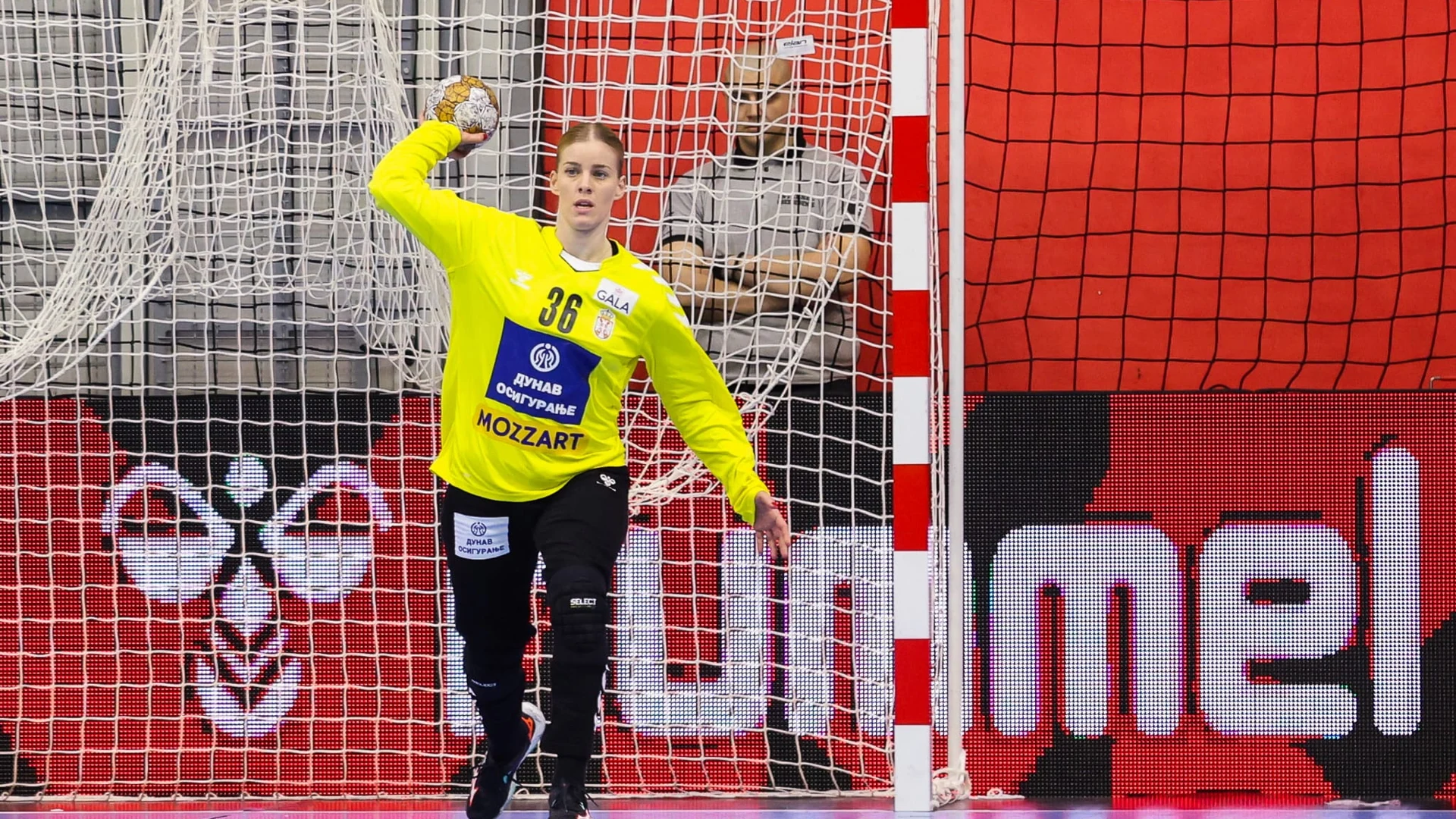
Milosavljević was Serbia’s top scorer
Jovana Milosavljević finished the match with six goals. Anđela Radović and Sara Otašević each scored three, with Otašević converting one of hers from a penalty. These figures show who was most effective, but also where the team could find another reliable option.
The attack is more stable when goals come from several positions. If the defence focuses entirely on Milosavljević, a wing player or a player on the six-metre line must take advantage of the free space. Not every player needs the same number of shots; the key is recognising when the best scorer draws an extra defender and frees a teammate.
Anđela Simić’s saves kept Serbia in the match
Anđela Simić made seven saves and stopped one penalty. A goalkeeper’s intervention carries extra value when the team immediately starts a controlled attack. Through such moments Serbia managed to close the gap and prevent Montenegro from settling the match early.
Both teams had eight minutes of suspensions. The number was the same, but playing with fewer players was not equally effective in every period. That aspect can be improved quickly if the team sets a first and second option in attack in advance.
Three defeats do not cancel the purpose of the youth project
Serbia finished the tournament with three defeats. The result is not satisfactory, but the squad was very young and the aim included testing players at senior tempo. The match against Montenegro showed a smaller gap between good phases and the final result than had been the case earlier in the tournament.
The next step needs to be precise: fewer penalties conceded, more sources of goals and better decisions in the last two attacks. These are measurable tasks. Youth development only makes sense when lessons from a tournament immediately change the next training session, rather than being explained away by the players’ age. In the second half Serbia narrowed the gap without rushing every attack. Simić’s saves gave the side a clearer view of the shots, and after her interventions the team moved forward faster toward the opposing goal. In the tight finish one calmer attack with a predetermined solution was missing. Milosavljević scored a large share of the goals, so in the next match another back or wing player needs to take responsibility when the defence focuses on her. A one-goal defeat is no cause for satisfaction, but the difference between the two halves gives the coaches clear material to work with. The team already knows how much energy the comeback demands; now the last attack must end with a quality shot. For analysis, the most important footage is from the final ten minutes, when every attack could have changed the result. Serbia reached the six-metre line when they moved the ball quickly to the other side. Attacks in which one player held the ball too long ended with harder shots. The defence can remain aggressive, but it must recognise earlier the screen set for the opposing wing player. That way Simić sees the trajectory of the ball sooner and gets more chances to make saves. The lesson from this closing stage should become a simple plan for the next match: set the first option in advance, offer the second immediately, and leave enough time for a quality closing shot.