
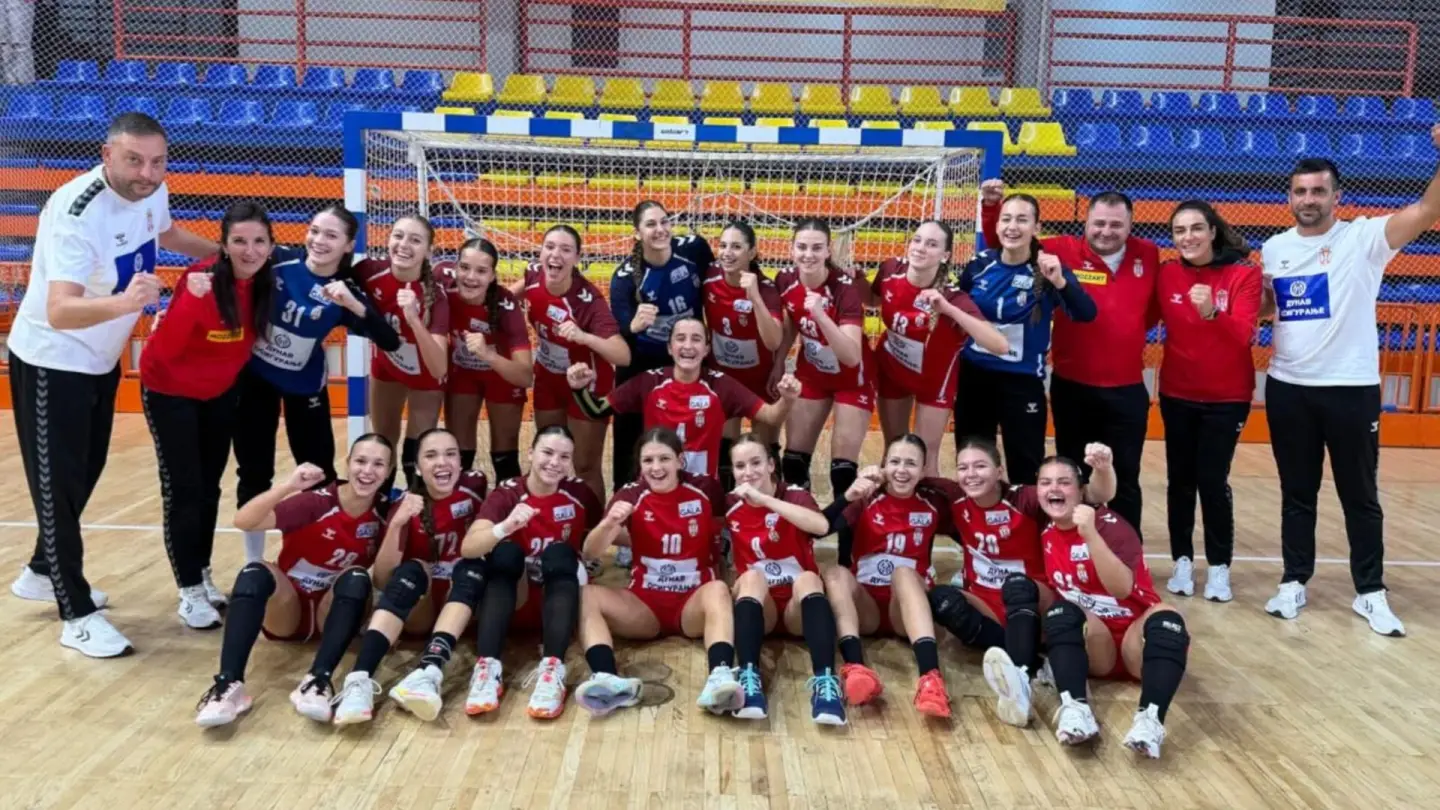
Serbia’s women’s cadet handball team wrapped up their two-match series in Bijelo Polje with a 22:18 victory over Montenegro. The hosts had taken the first meeting 21:20, even though Serbia held the lead for much of that game. The second encounter finished in a more composed manner and confirmed that this young squad can learn from a loss without waiting for the next gathering.
The first match showed how much missed penalties can change the picture
Serbia led for 58 minutes of the first game but lost by a single goal. Head coach Branislav Milićev pointed to five missed seven-metre throws. When that many clear chances fail to turn into goals, the opponent does not need to create five extra attacks to stay in the contest. It only needs to stay calm and reach the closing stages with one possession still to play.
A missed penalty is more than a technical error. A young player often carries the previous miss into the next defensive phase, or hesitates when she steps up to the line again. The team needs an agreed order of takers and support after a miss. The next attack should begin as a fresh situation, without rushing to win back the lost ground with a reckless shot.
Nine minutes without conceding highlight the defensive potential
Serbia’s cadets opened the first match with a run of nine minutes without conceding a goal. That shows the side can close off the central zone, communicate on crossings and force the opposition into difficult shots. The problem was not a lack of quality defence, but that a good spell did not translate into enough goals on the scoreboard.
When the defence works, the attack must choose possessions that protect its effort. A rushed shot from a poor position hands the opponent the ball before the formation is set. These young internationals are learning that tempo is more than running speed. Sometimes the best counterattack ends with a safe pass and a patient build-up when the first wave offers no clear advantage.
The second duel brought better control of the result
The 22:18 win shows Serbia reduced the room for a late comeback. A four-goal margin is not a commanding domination, but it marks clear progress from a defeat after a long lead. The team kept its defensive intensity and found enough goals so that every successful Montenegrin attack did not become an immediate threat.
Most importantly, the response did not demand a completely new system. The cadets improved their closing minutes, their security with the ball and their balance between risk and reward. Corrections of this kind carry over to the next tournament. A team cannot always change its formation between two days, but it can choose its shots more clearly and recognise earlier when a game needs to be settled.
| Match | Result | Key detail |
|---|---|---|
| First | Montenegro 21:20 Serbia | Serbia led for 58 minutes |
| First | Five missed seven-metre throws | Unused scoring reserve |
| Second | Serbia 22:18 Montenegro | More controlled finish |
| Overall | One win and one defeat | Two different finishes |
The away series tested the atmosphere and the team’s independence
Milićev stressed that this generation has no problem playing away from home. In younger age groups, a change of hall, the travel and the support for the home side can affect concentration more than they do among senior women. In both matches Serbia showed they could carry out their plan without relying on a home crowd.
Stability of that kind is built on simple routines. The same warm-up order, clear messages in a time-out and open communication between players reduce the weight of outside pressure. Captain Dunja Barac highlighted the mood and fighting spirit in the squad. That is not decorative praise: a team that trusts its teammates recovers more easily after a lost ball.
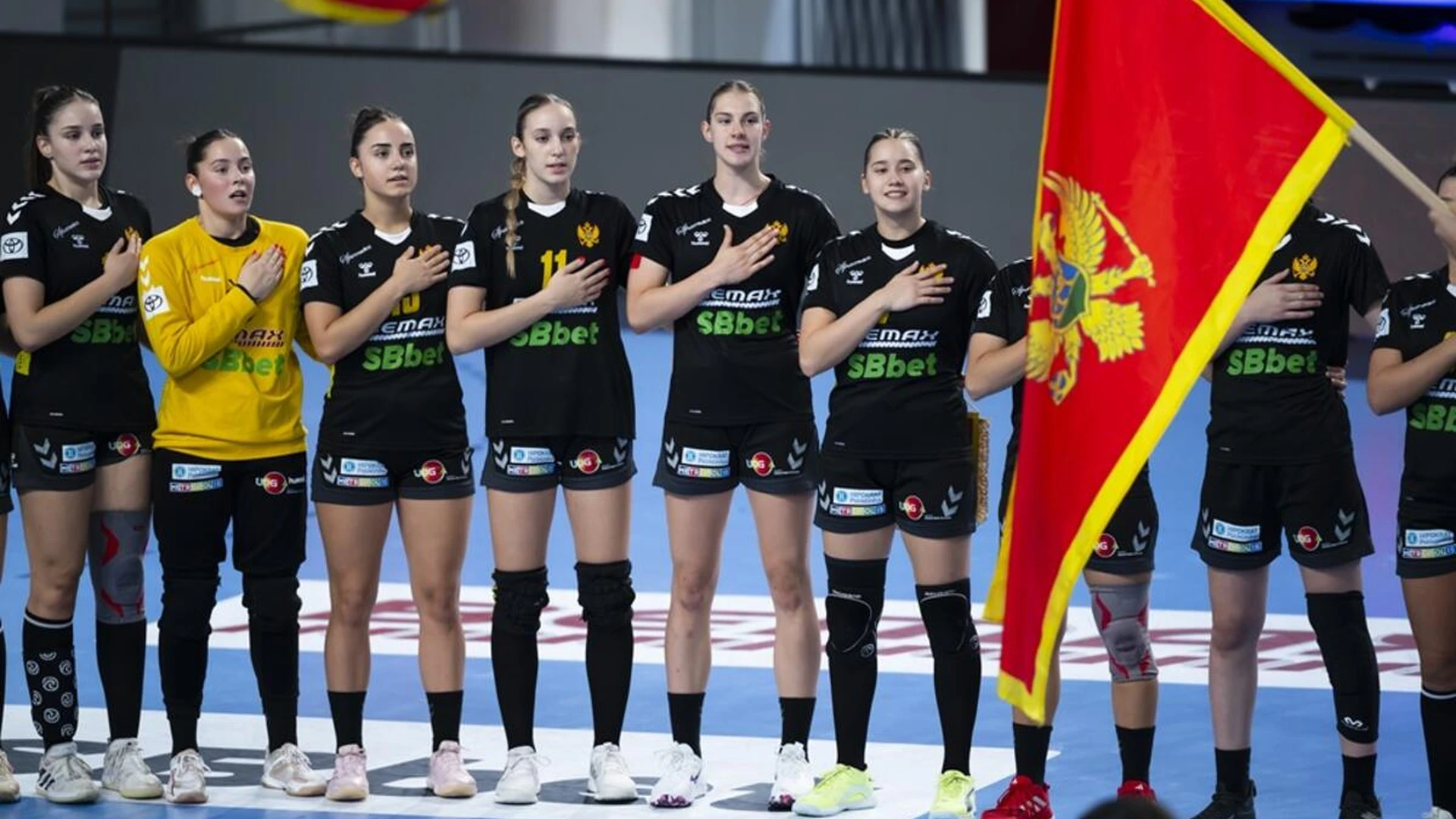
Two matches gave the coaching staff a better sample
A single friendly can hide a problem behind unusual form or momentary nerves. A two-match series against the same opponent shows how players react when that side already knows their patterns. Montenegro knew where the main threats came from in the second game, so Serbia’s victory reflects adjustment rather than a surprise effect.
The coaching staff can now compare the same situations across both days: conversion from the seven-metre line, runs out to the wings and behaviour when the margin is only one goal. That material is more useful than a general verdict that the team played well. Young players develop faster when each of them receives a concrete clip of a decision to repeat or change.
A 1:1 record describes both the quality and the room for improvement
Serbia return from Bijelo Polje with a 20:21 defeat and a 22:18 win. The results show the teams are close enough for details to decide matters, and that Serbia’s cadets can make a visible step forward in just one day. There is no need for either excessive satisfaction or dramatising the opening defeat.
The most important work ahead concerns secure goals and finishing. Five missed penalties must not become a habit, while defensive spells without conceding should be rewarded with attacking output. If the side connects those two parts, the win in the second match will not remain merely a good reply, but a pattern for future competitive matches.