
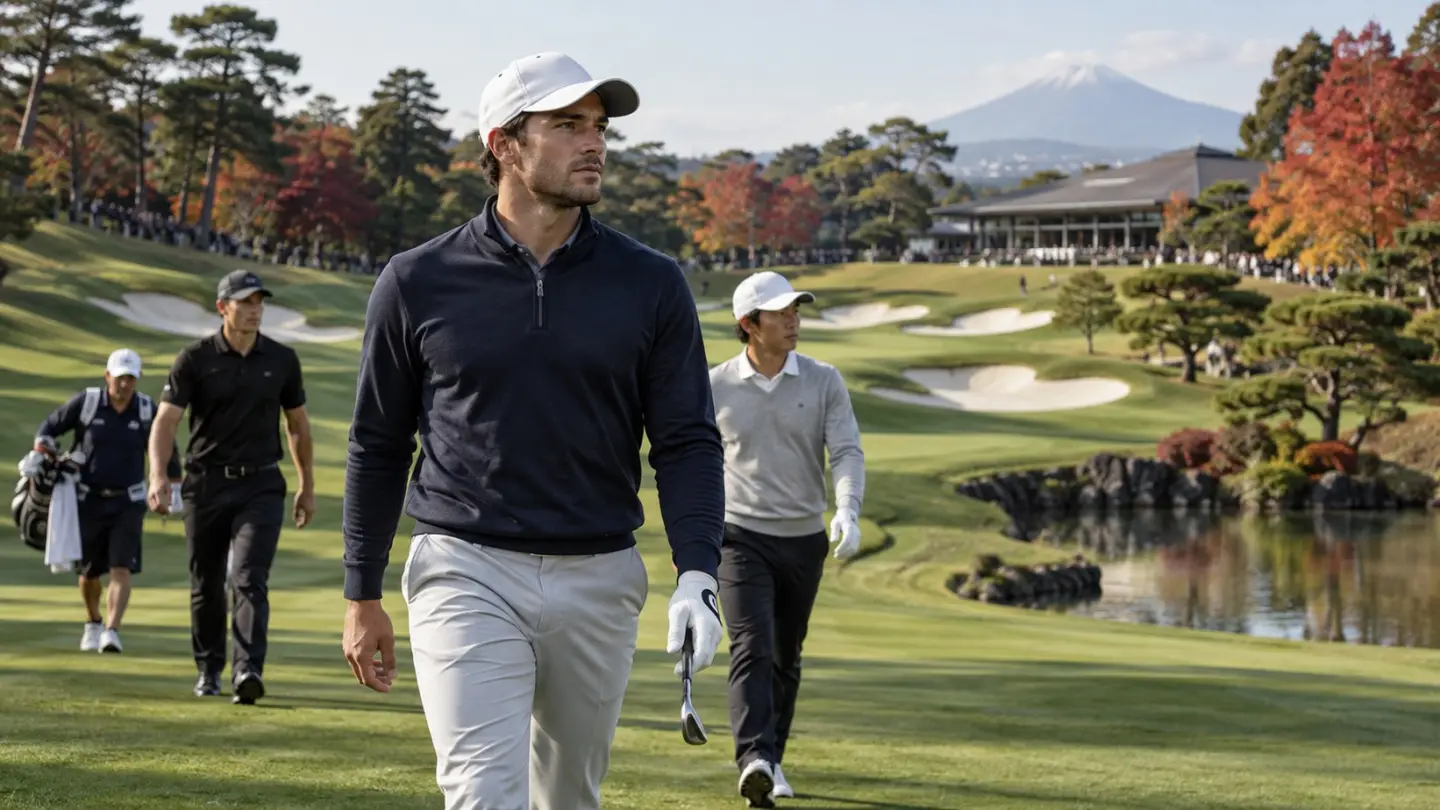
The Baycurrent Classic is played from 8 to 11 October at Yokohama, with an $8 million purse and 500 FedExCup points for the winner. Scottie Scheffler is defending the title he won last year at 19 under par. The field includes 16 players from the top 50 of the world rankings and thirteen Presidents Cup participants, giving the event more depth than a typical autumn tournament.
Yokohama Country Club uses an unusual mix of 16 holes from the West Course and two from the East. The par is 71 and the yardage 7,322. Bill Coore and Ben Crenshaw reworked the layout in 2015, focusing on the angles into the greens and on finding the right side of the fairway. Length alone will not solve the test; the position of the tee shot determines how many flags can be attacked safely.
Scheffler followed an opening 71 last year with rounds of 63, 67 and 64 to finish one shot ahead of Max Greyserman. That turnaround shows a poor first round does not rule a player out, but it demands an exceptionally precise finish. As the defending champion he will have to accept a patient start rather than trying to recover every missed putt straight away.
Yokohama combines 16 holes from the West Course and two from the East
Among the main names are Wyndham Clark, Collin Morikawa, Min Woo Lee, Tom Kim, Adam Scott and Scheffler. Clark enters as the world number five, while nine participants from this year’s Tour Championship confirm the quality of the field. The varied profiles create an interesting test: powerful hitters can shorten the course, while precise players can attack better angles.
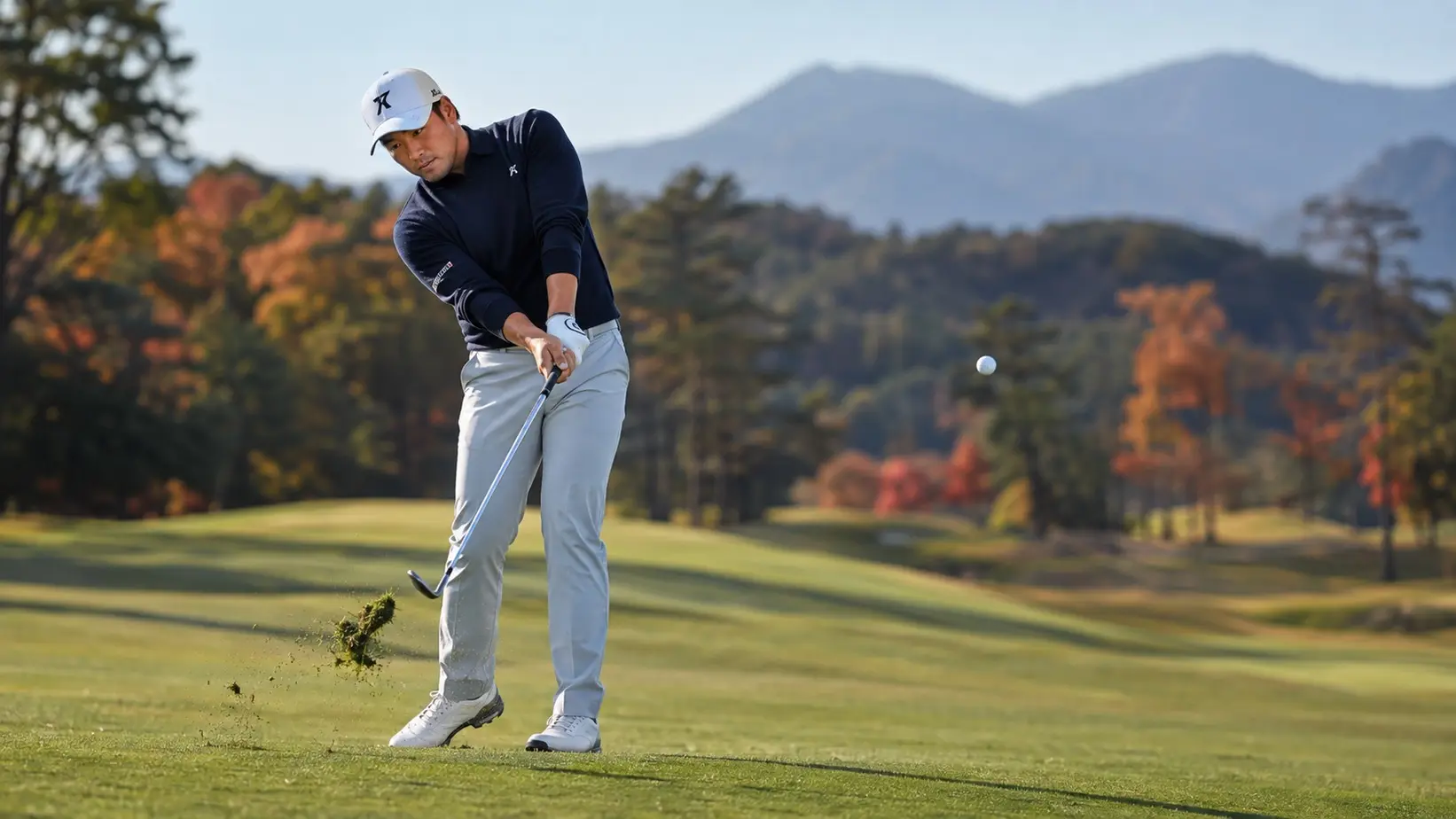
The wind could play a bigger role on Friday and Saturday, when forecasts predict speeds of 10 to 20 miles per hour. The value of the fairway then rises, because a shot from rougher grass controls height and spin less well. Players must know when to accept a longer second shot and when to attack a narrow zone with the driver for a realistic birdie chance.
The tournament is the third of eight events in the FedExCup Fall series, so some players are not competing only for the trophy. A place among the top 100 can bring status on the PGA Tour for 2027. That changes decisions in the closing stages: a player near the cut line may choose a safer par that protects points, while a contender for victory must accept more risk.
Autumn points could decide who keeps status for 2027
The most important statistic will be the number of strokes gained on approach shots, particularly from distances between 125 and 175 yards. A good tee shot only has value if the next ball stays on the green with a realistic putting line. The course punishes a miss to the wrong side, where a chip must climb the slope and carries a greater risk of a bogey.
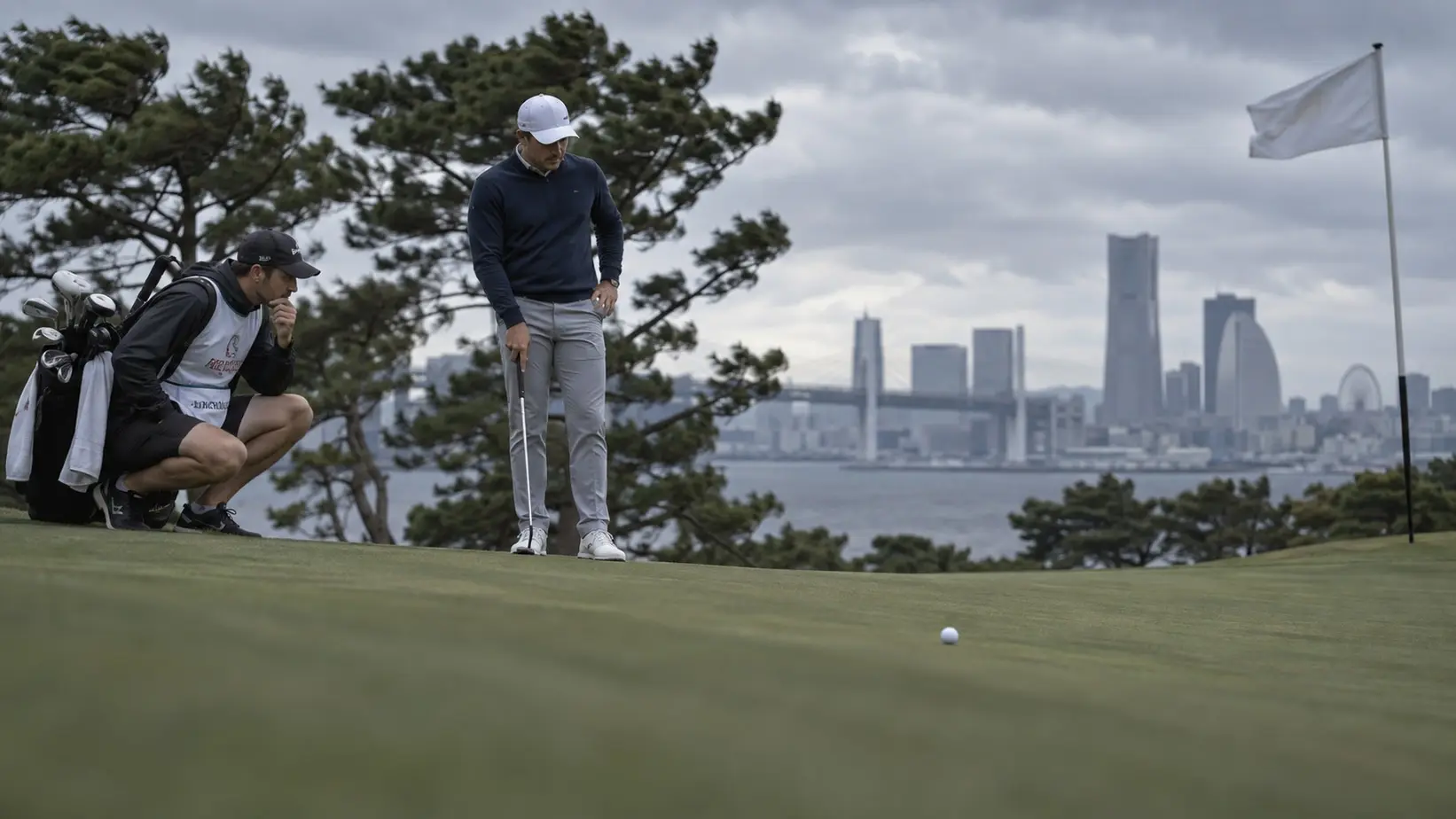
The second indicator is performance on the par fives and the shortest par fours. Favourites must collect birdies where the layout offers an advantage, because the wind will make the longer holes harder. A player who only makes par on the easier stretches will later have to attack flags from less favourable positions, which raises the chance of error.
The Baycurrent Classic combines a strong field, the importance of status and a course where strategy matters more than raw distance. Scheffler defends his title with proof that he can accelerate after a slow start, but his rivals arrive with different motives and good form. The winner will probably be the player who keeps the ball in the fairway when the wind picks up and turns the best approaches into enough birdies.
The value of every shot will also depend on pin positions. On a day with stronger wind the centre of the green may be the best target even for the favourite, while a calmer Thursday offers room to attack. The winner will have to accept par when the situation demands it and distinguish a real birdie opportunity from a flag that only invites unnecessary risk.
Short game around the green can decide days when approaches are not precise. A player who regularly saves par from difficult positions stays in the fight until the swing returns. Over a four-round tournament, an avoided bogey often carries the same final value as a later birdie.