

Rory McIlroy has confirmed he will tee it up at the Abu Dhabi Championship, which runs from 5 to 8 November and opens the two-event season finale on the DP World Tour. The tournament is played at Jebel Ali’s Jumeirah Golf Estates course, and the arrival of the six-time major winner gives the finale real sporting weight. McIlroy comes to Abu Dhabi as the reigning Race to Dubai champion, and a strong result here could directly reshape the leading positions ahead of the final event.
The confirmation matters because the finale brings together a limited group of the best-placed players. Points earned across the season decide who earns a place in Abu Dhabi, and the field narrows again before the closing event in Dubai. McIlroy is not only chasing a single trophy. He is defending his overall position, keeping his competitive rhythm and closing out the year against rivals who have built their form on different tours.
Why Abu Dhabi matters for the overall order of merit
The format of the finale raises the value of every missed shot, because there is little time for major corrections afterwards. Players close to the qualifying line must attack for a high finish, while those at the top decide how much risk they can afford. McIlroy’s edge is his experience in such situations and his knowledge of conditions in the Middle East. Wind, firmness of the greens and pin positions can still quickly erase the gap in reputation between the favourites and the rest of the field.
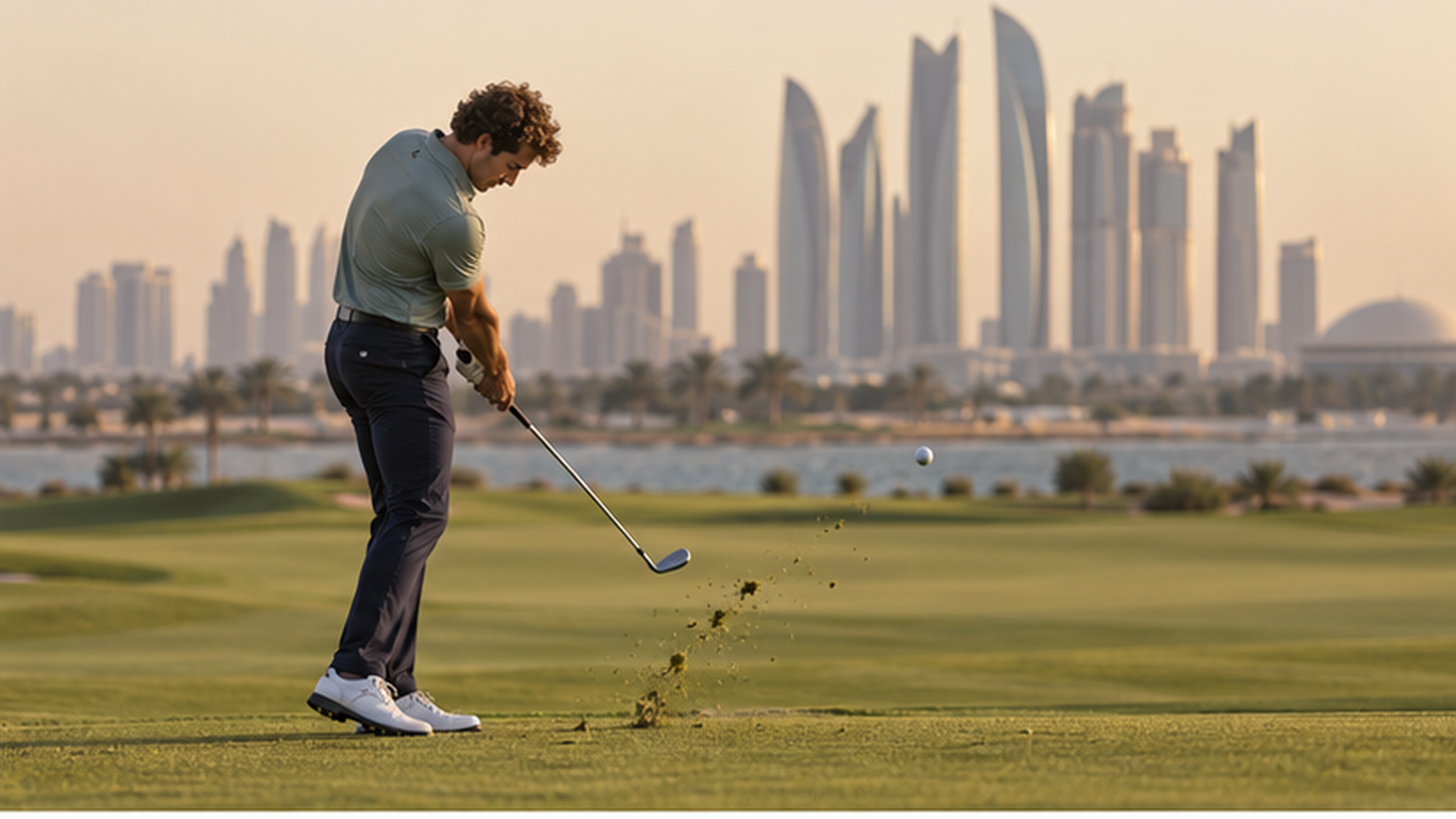
Jebel Ali’s layout demands precise control of ball flight, especially when the wind shifts direction between the morning and afternoon groups. Distance off the tee helps McIlroy attack the par five, but control with the wedges will decide how often he gets genuine birdie chances. Final-stage events have no traditional cut after two days, so a poor start can still be repaired. At the same time, a large deficit forces a player to take risks, opening room for further mistakes.
McIlroy enters as the benchmark for form
His presence changes the way the whole tournament is judged. A winner who beats McIlroy in a full finale gains a stronger argument about their own level, while the organisers get a recognisable name for the event that opens the closing two weeks of the season. Even so, the list of participants will not reduce to a single duel. The final line-up depends on the order of merit, and many players arriving in Abu Dhabi need to secure a place in the final.

More than a month remains before the tournament starts, so the current confirmation is no guarantee of form or results. The most important indicators will be McIlroy’s outings just before the trip, the state of his putting on the greens and his position in the Race to Dubai standings. What is certain now is that the holder of the overall crown will be part of the first finale event. Abu Dhabi thus gains a central figure, and the fight for the season’s trophy a clear reference point.
In Abu Dhabi McIlroy will also have the task of pacing his energy ahead of the closing event in Dubai. Two consecutive weeks against the strongest field demand a balance between aggression and preserving freshness. Practice will focus not only on distance from the tee, but also on positions from which it is possible to control approaches to wind-exposed greens. A player who keeps missing on the wrong side wastes too many strokes saving par, whatever his power.
Alongside McIlroy, the final list should include the leaders of the season standings and several contenders for the overall title. Their position before Abu Dhabi will set the level of risk: some will defend a lead, others will have to chase a win. That creates a different dynamic from an ordinary mid-season event. Spectators will follow the daily leaderboard and the Race to Dubai points projection together, since a single closing birdie can change the pairings and the pressure for the final week.