
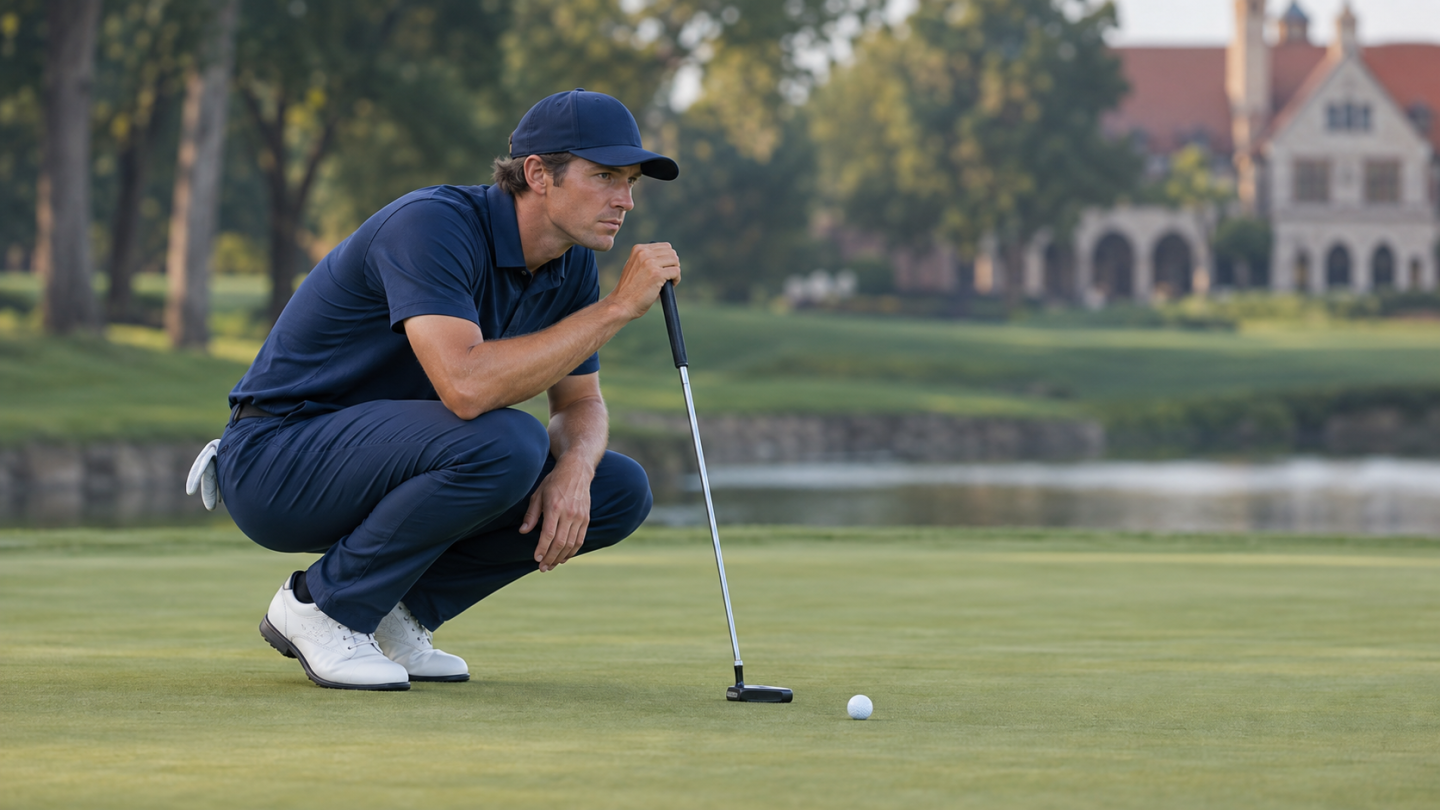
The United States team retained the Presidents Cup at Medinah, beating the International side 17-13, despite trailing 7.5-10.5 going into the final day. American golfers collected 9.5 of the 12 points on offer in the Sunday singles. The turnaround was decided over the whole tournament: the International team’s lead from Saturday was not enough once the final round of matches arrived.
How a three-point lead slipped away
Going into the Sunday singles, the International team held a three-point advantage. To win overall it needed to keep some of that margin across 12 matches, in which each match is worth one point and a halved result gives each side half a point. Instead, the USA took 9.5 points in that session and their opponents 2.5. A seven-point swing in a single day turned the overall score from 7.5-10.5 into a final 17-13.
The context of the closing stages matters here too. For the first time in Presidents Cup history, the International team went into the final singles matches on American soil with the lead. It was not simply a case of losing a routine lead in a tidy finish. It had a genuine chance to break the American run and win away from home for the first time, but it dropped a large number of head-to-head matches just as every member of the squad was taking to the course individually.
The matches that shaped the finish
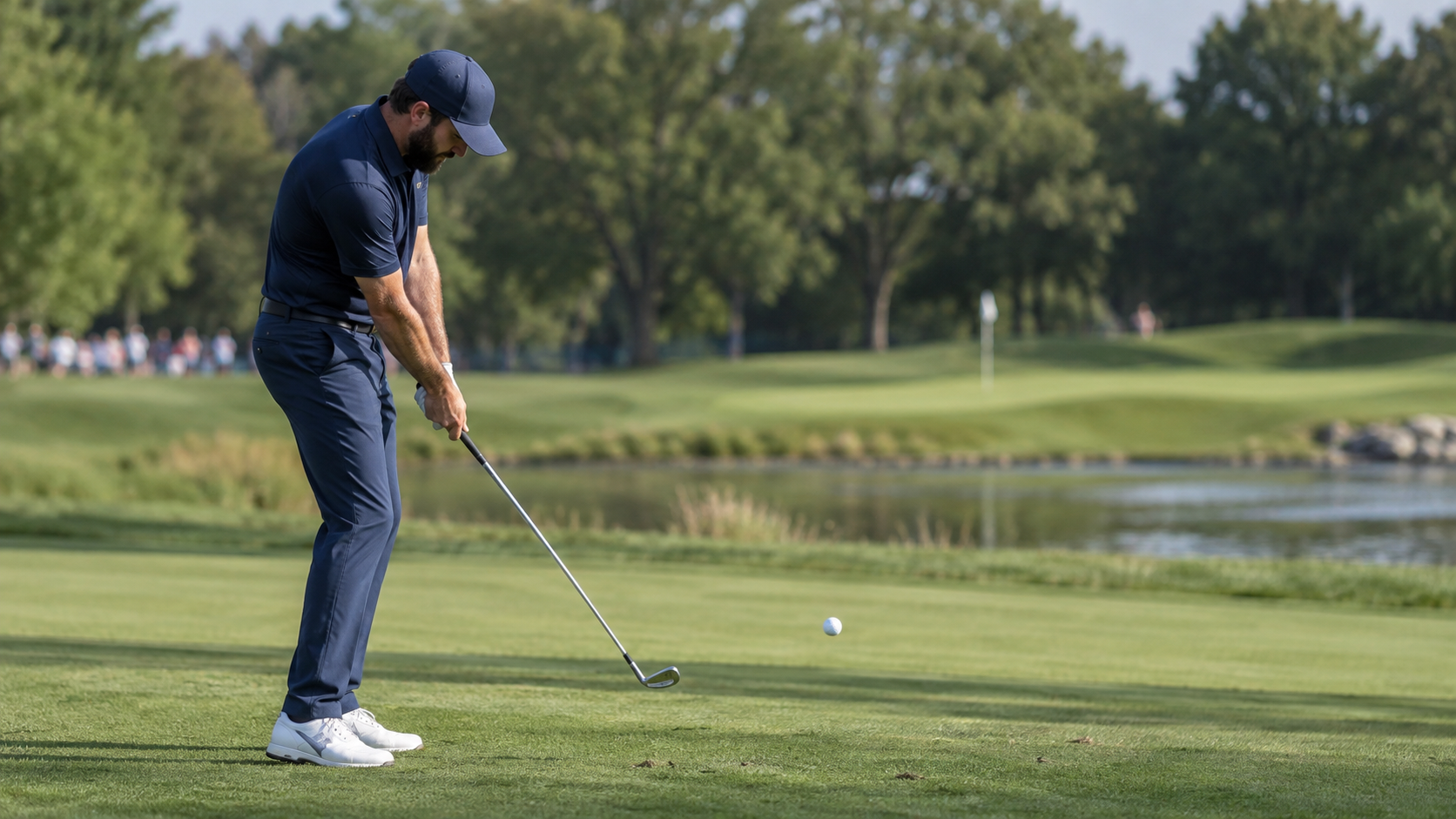
Kameron Jang gave the American team its first point, beating Ryo Hisatsune 3 and 2. After a level start he took control in the second half of the match and closed it out on the 16th. That early point did not decide the tournament on its own, but it cut the deficit and showed that the USA could quickly shift the balance on the scoreboard in singles play.
Patrick Cantlay beat Adam Scott 2 and 1. His successful shot on the 16th was especially significant, after his advantage had previously been reduced. Jackson Koivun defeated Si Woo Kim by two holes. Those two matches increased the American points tally in the middle of the closing session and turned the early chase into a lead the International team found increasingly hard to reel back.
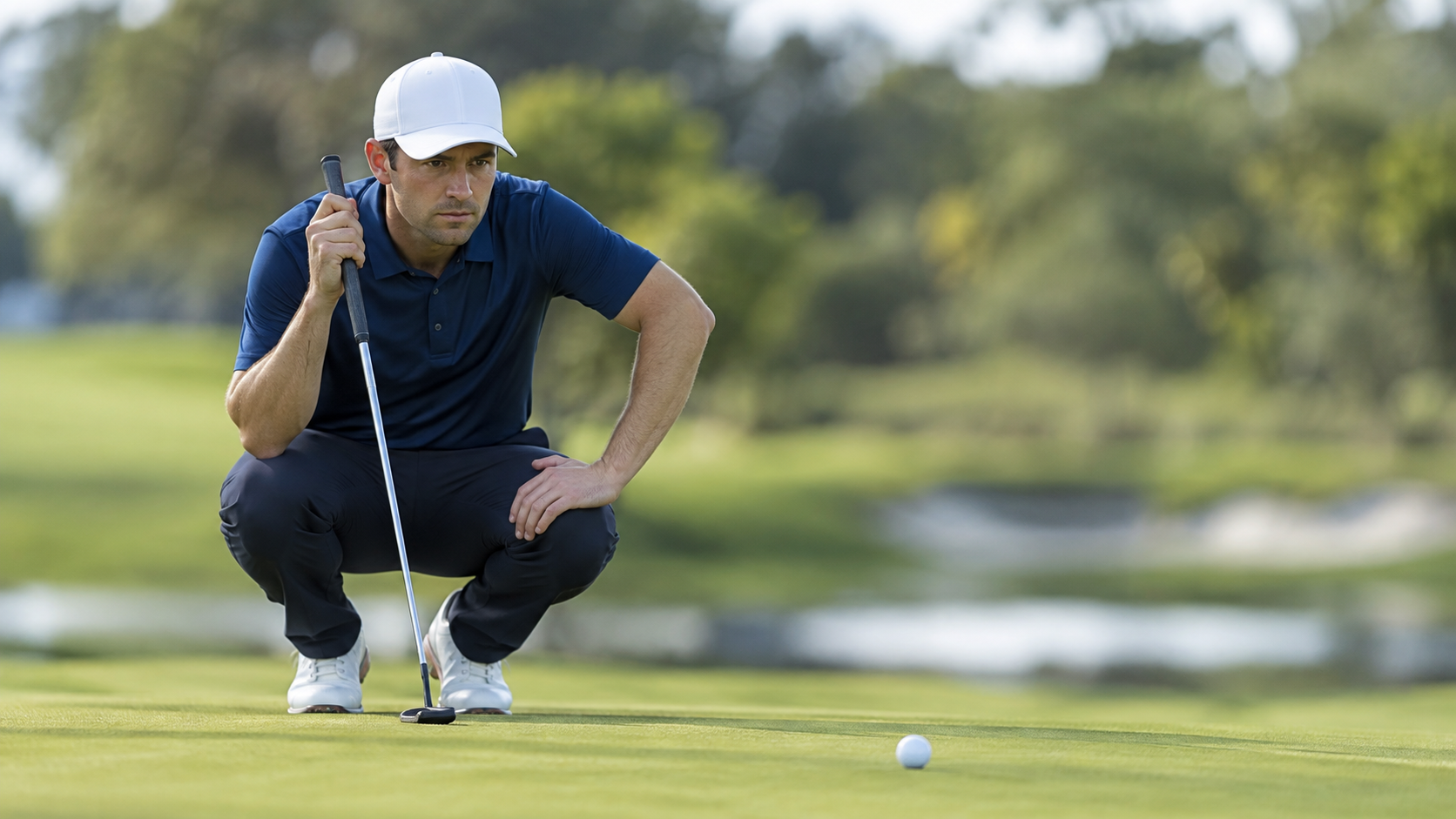
The scoreline notation in those matches differs from the overall tournament tally. A 3 and 2 win means the golfer was three holes ahead with only two left to play, so the opponent could no longer square it. A 2 and 1 result follows the same logic, with a two-hole lead and one left to play. Whatever the margin within a match, the winner of a singles match earns one point for their team; that is why individual hole results do not add up to the overall total.
The decisive point came from Jacob Bridgeman against Min Woo Lee, a one-hole win. Their match went to the 18th, where Bridgeman confirmed the result and secured the trophy before all the matches had finished. Tom Kim and Sungjae Im won their singles matches for the International side, while Nick Taylor and Russell Henley shared their matches for half a point each. That further shows that the International team did not fail to win any match, but did not take enough points to defend its lead.
What the 17-13 final score means
The USA retained the trophy and recorded its eleventh straight Presidents Cup win. The International team still has just one overall victory, achieved in 1998, and has yet to win the competition on American soil. The figures alone do not show who was better in every phase of this edition: the International side led going into Sunday. What proved decisive was the final session, in which the Americans built a pronounced advantage on the scoreboard.
For a reader following this team format, the key is the gap between the score before the final day and the final tally. The report of the International team’s Saturday lead was accurate at that moment, but Sunday’s result completely changed the outcome. The final record of 17-13 and the 9.5-2.5 split in the singles now define the 2026 winner, whatever the earlier course of the competition.