

The international side lifted the trophy for the first time on 7 October, taking an early lead in several singles matches and keeping a sizeable overall advantage intact. The confirmed date, result and line-up provide a firm footing, while the forecast should be kept separate from what has already happened. For readers, the most useful thing is to see the cause, the key change and the first upcoming test at once. That way the story stays clear even if circumstances shift later, and the assessment can be checked on the course. For that reason, the next official update should confirm the consequence now marked as decisive.
In match play the choice of tactics shifts according to the position of the direct rival; a safe pair can be worth more than an attack on a difficult flag. The final scoreline does not always reveal how the advantage was built. It is worth following who carried responsibility, how the side responded to the first setback, and whether the same good decision could be repeated. A brief turnaround can mask a weak plan, while a quiet spell without big statistics often sets up a decisive situation minutes later. Reading the event this way gives the reader the basis to understand both the result and the decisions that led to it.
Early points eased the pressure in the singles
The captain has to place dependable players early, keep calm closers in reserve and form pairings whose styles and temperaments complement each other. The tactical value comes from the order of play, not from the number of ideas. A player must first secure position and control, and only then attack the space that has genuinely opened up. The coaching staff sets the signal for a change in advance, so that one mistake does not set off a chain of improvisation and pull the team or athlete away from the core advantage. Execution is then judged by the clarity of the decision, the speed of the reaction and the quality of the position after each attempt.
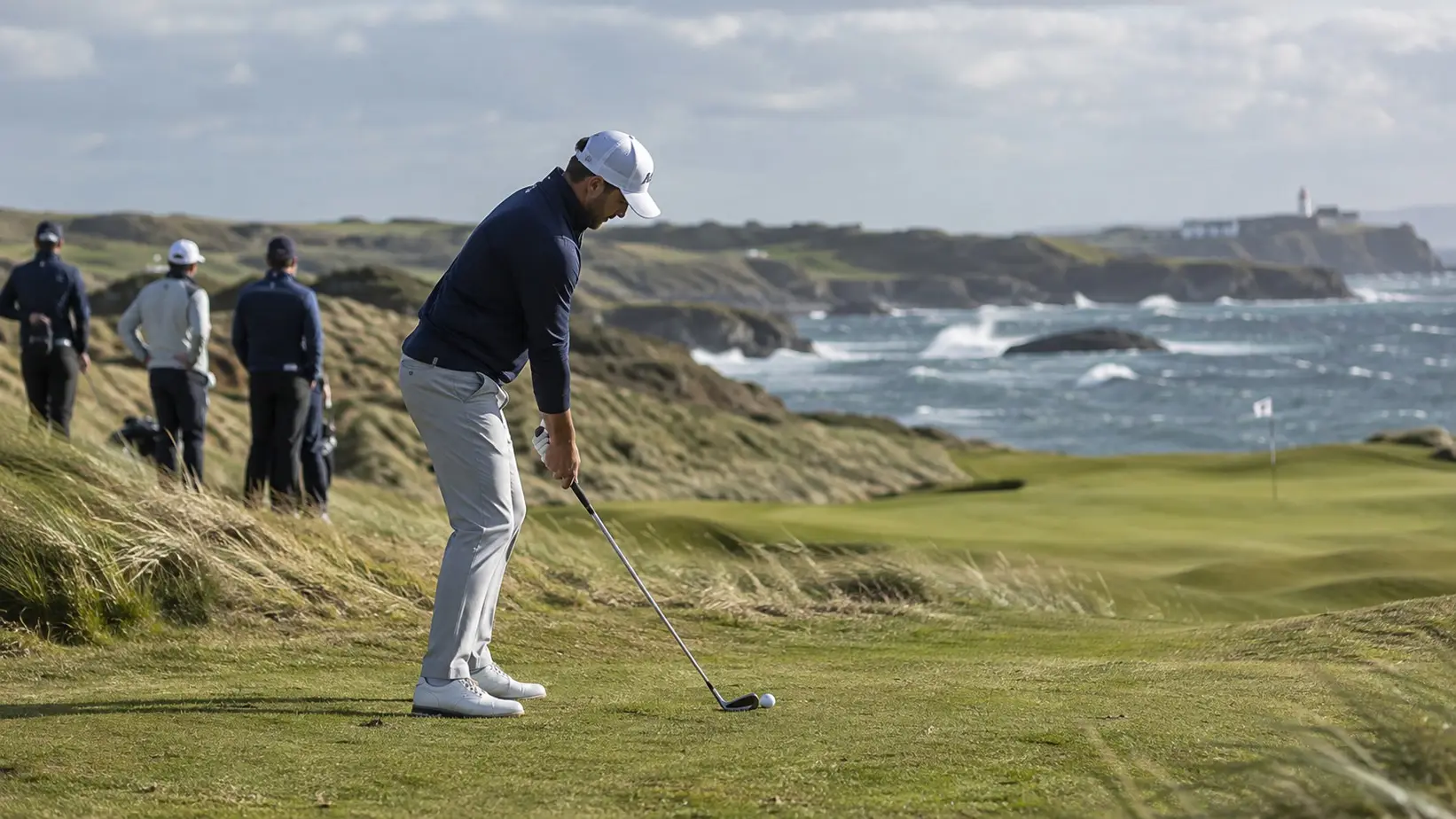
When the scoreboard turns against a side early, the opponent starts to attack flags without a good margin, which only raises the risk further. How the risk is managed determines how long a plan can survive. A neutral outcome sometimes preserves position, energy or possession for a better chance, while forcing the play without preparation opens the door to a counter. The balance between gain and danger shifts with time and the scoreline, so the same decision is not equally sound at the start and in the closing stages. The true measure of discipline will be how often a danger is recognised before it becomes damage.
The first title changes the picture before the next edition
It is worth tracking the lead after six holes, holes won with a par, performance on the par-three holes and the number of matches finished before the eighteenth. These figures make it possible to test the conclusions drawn after the event. The final score shows the outcome, but only a comparison by session reveals where the advantage was built and whether it can be repeated. It is particularly useful to separate the opening plan from decisions made under fatigue, as that shows how stable the technique and the preparation really were. If the figures are read in sequence, it will be clear whether the change was planned, temporary or accidental.
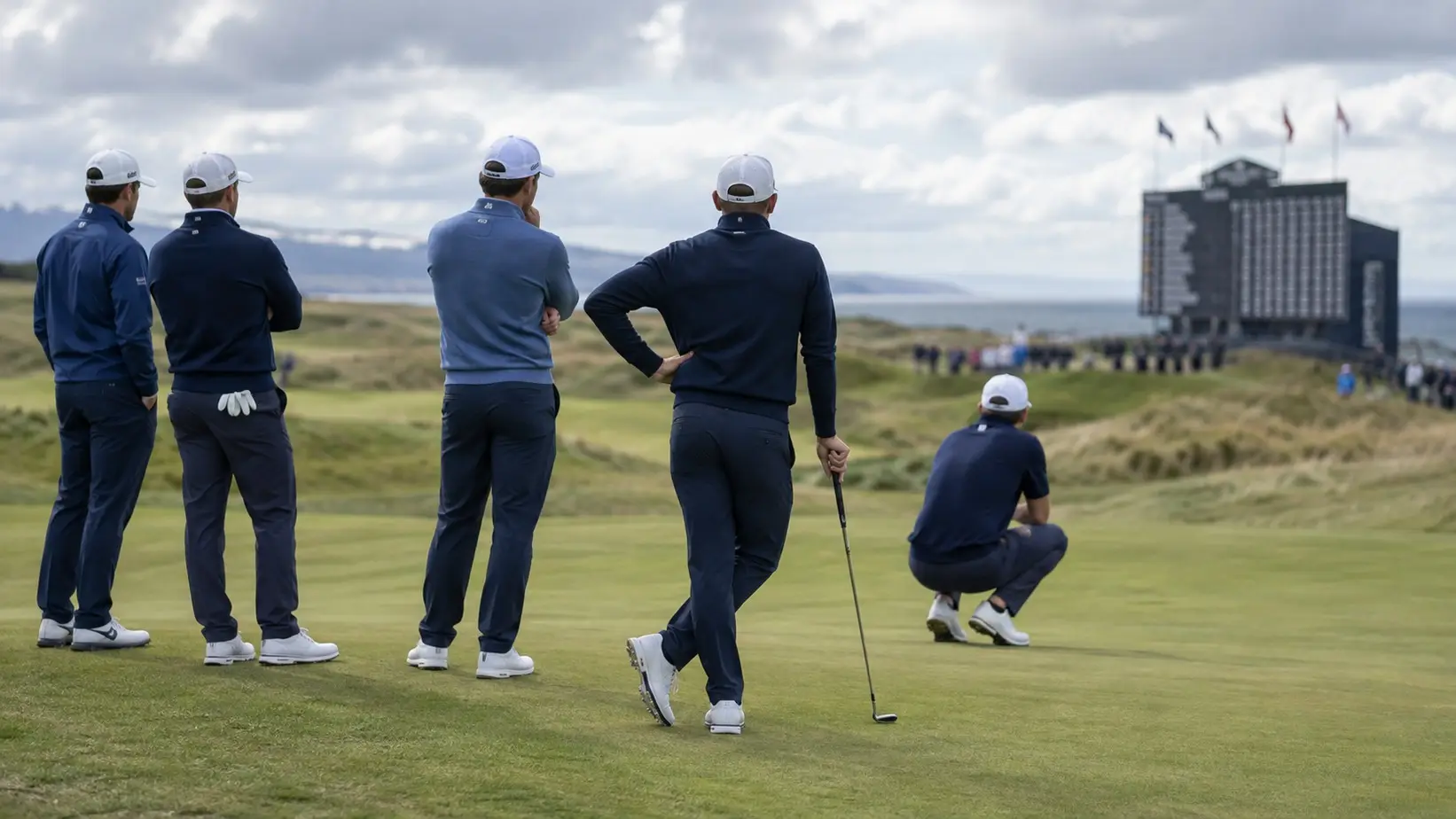
The first title confirms that a side drawn from several countries can quickly build a shared identity and win through depth rather than a single star. Its importance does not end with the last point or decision. A good performance opens a new opportunity, but consistency is what proves the change can last. A weaker result can still be useful if it produces two or three precise tasks. A sweeping overhaul of everything usually hides the real cause and makes the next check harder. That follow-up gives today’s news lasting value and links the immediate outcome to the next realistic goal.
Turnberry rewarded disciplined risk; the winners’ next step is to keep the process in place even when they no longer enter as a side without a previous trophy. The conclusion must therefore stay tied to the evidence available right now. The best next check uses the same control points in different conditions, so that it becomes clear what belongs to quality and what to circumstance. Repeating a good pattern against a new challenge gives the assessment more weight than a single striking moment. That is precisely why the final judgement should only be updated once a new comparable figure emerges from the official event.