
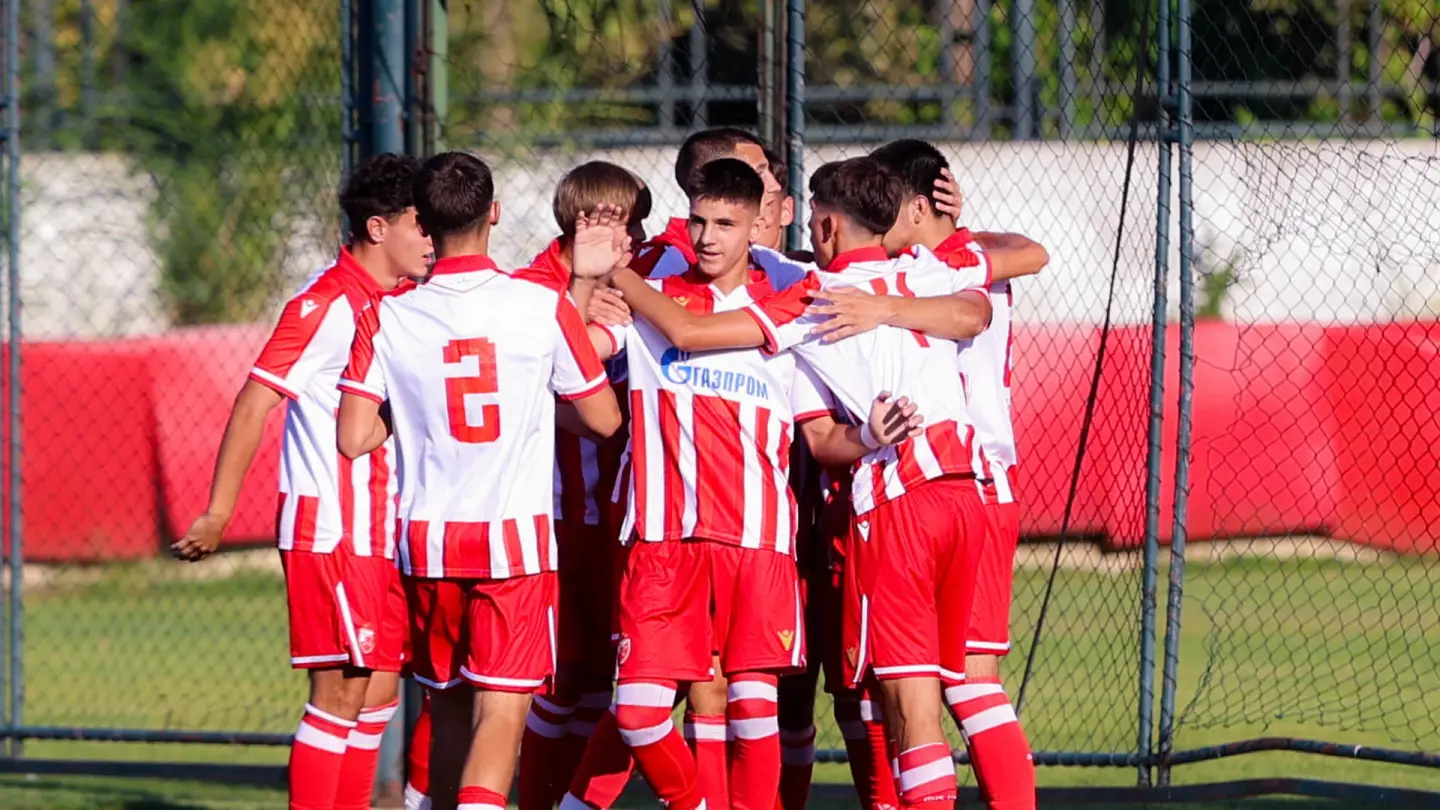
Red Star Belgrade cadets beat TSC 4:2 in Bačka Topola in round six of the national championship. The visitors went two goals up, allowed the hosts to draw level, and then sealed the win with two more goals.
Two early goals gave Zvezda a strong start
Miloš Tabački opened the scoring, and Novak Marković doubled the visitors’ lead soon after. Red Star’s cadets had built a serious gap on the away ground before the first half had run its course.
Those goals laid the foundation for the win, but they did not settle the match. TSC had time to respond and made full use of it. The early lead later became a cushion for the hosts’ fightback rather than a margin the visitors held calmly to the end.
Rankov started TSC’s recovery
Before the break, Rankov cut into TSC’s deficit. The home side went into half-time just one step from parity, even though Red Star had scored the first two goals very quickly.
The momentum had shifted, but the leaders had not yet lost their advantage. Zvezda were still ahead, only now their cushion was halved. TSC had turned a difficult start into an open game and carried that chance into the second half.
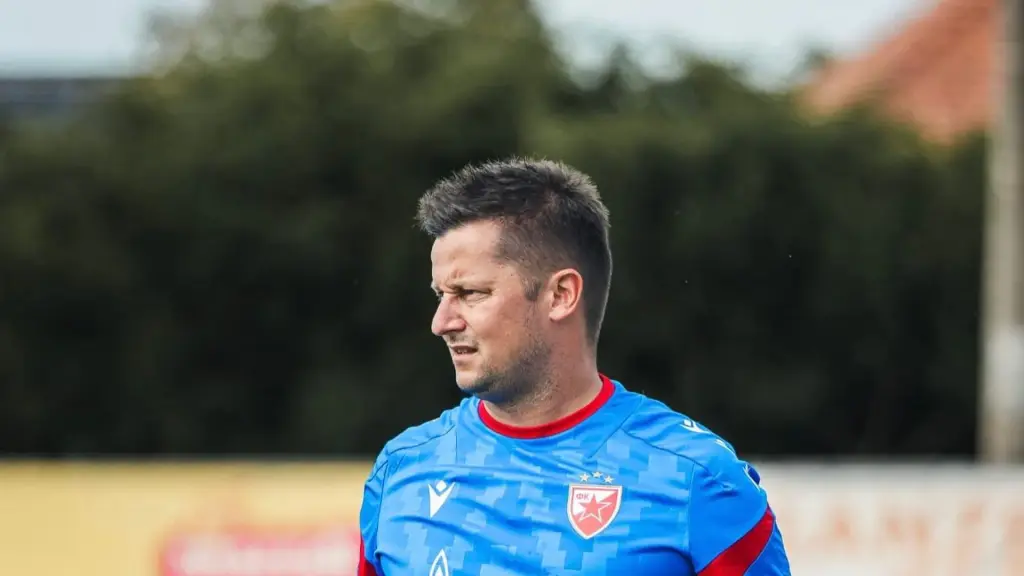
Mitrić completed the home side’s comeback
In the second half, Mitrić equalised for TSC. The hosts had answered both early visiting goals and returned the match to a complete scoreline balance.
Red Star could no longer rely on the lead created by Tabački and Marković. The next phase demanded a fresh response. TSC had momentum after the equaliser, while the visitors had to rebuild the advantage they had let slip.
Jevtić put the visitors back in front
Lazar Jevtić provided the necessary answer shortly after the equaliser. His goal restored Red Star’s lead and stopped TSC from turning their comeback into lasting control of the scoreboard.
The speed of the reaction mattered. Zvezda did not allow the match to stay level for long in the closing stages. Jevtić changed the course of the game once more, and the visitors had enough time to protect their new lead sensibly and later extend it.
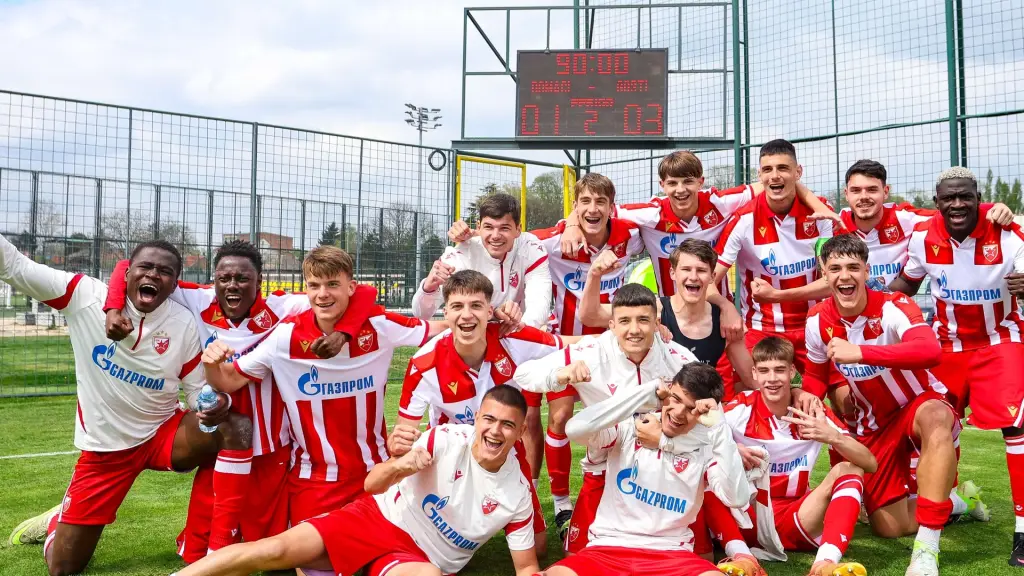
Marković’s second goal sealed the result
Marković struck again in the closing moments to set the final score at 4:2. His first goal belonged to the fast start, while the second confirmed the win after TSC had managed to erase the opening deficit.
Two goals from the same player linked different phases of the match. The first helped create the early gap, and the last came after much heavier pressure. Jevtić scored the goal that restored the lead, and Marković secured a calmer finish.
The response mattered as much as the start
Red Star’s cadets won because they could build a lead twice. Tabački and Marković created the first, but Rankov and Mitrić removed it. Jevtić then started a second, decisive sequence, which Marković closed out.
That is why the final result differs from a routine win built on two early goals. TSC completed a full comeback, but the visitors found the right answer rather than losing control. Zvezda left Bačka Topola with the points after getting through both challenges the match threw at them.
The young players went through different states of the match
The cadets had to play a game whose character changed several times. Red Star first held a comfortable lead, then watched it disappear. TSC came from an early deficit to level, but soon found themselves behind again. Changes like these ask young players to return quickly to the basic plan and not to treat one successful spell as proof that the job is finished.
Jevtić’s goal was the decisive reply because it arrived after TSC had completed the hardest part of their comeback. The visitors could have become unsure and overly cautious after the equaliser, but instead they prepared a new finish and regained control of the scoreline. Marković closed the match with a later goal and created a bigger final margin than the tense middle phase had suggested.
For developmental football, a match like this has value beyond the points. It asked Zvezda’s players to protect a lead, react when they lost it, and then manage a new advantage calmly. TSC gained experience of building a comeback, along with a lesson in responding when momentum swings again. The result rewards the visitors, while the coaching staffs can pick out clear moments for further work. It is especially useful to separate the good decisions made during the comeback from the errors that let the opponent retake the lead.