
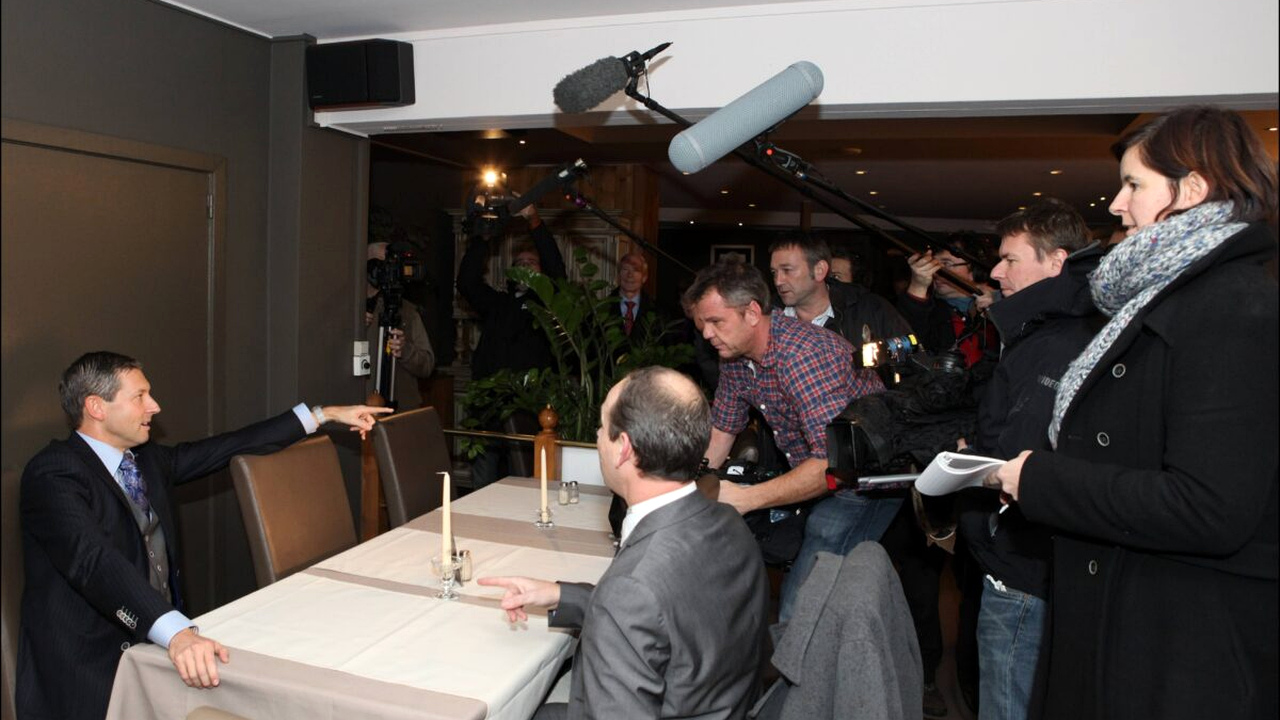
FSS faces a test that cannot stay on paper
The story of referee reform in Serbian football is no longer only an internal matter. If UEFA ties the arrival of an expert to a clear condition, the FSS now has to show that the changes are more than a good headline.
Serbian refereeing has long carried the weight of mistrust. Some of the problems concern quality, some concern communication, and some stem from a feeling that the system does not protect those who want to work transparently enough. That is why any reform only counts if it changes practice.
A foreign expert may help, but cannot solve everything alone. What is needed is a framework in which referees know what is expected, clubs know what is permitted, and the public sees consistency.
The basic picture
| Institution | Football Association of Serbia. |
|---|---|
| Subject | Referee reform and a condition linked to UEFA support. |
| Possible move | The arrival of a foreign specialist in refereeing matters. |
| Key | Clear rules, protection for referees and consistent application. |
| Risk | That the change stays administrative, with no real effect on the pitch. |
Also read Zvezda’s qualifying route. Another related story is Arnautović’s arrival for pre-season.
A foreign expert is not a magic fix
In football there is often a belief that a new name from abroad will instantly change the system. That seldom happens on its own. A foreign expert can bring knowledge, method and a fresh perspective, but the domestic structure has to accept that work.
If recommendations are heard only at a seminar and then disappear into old habits, the effect will be small. Reform has to reach appointments, the analysis of errors, post-match communication and the way referees are developed.
Most important is that decisions do not depend on the noise around a single round. The system must work the same way when a big name makes a mistake as when a less known referee does.
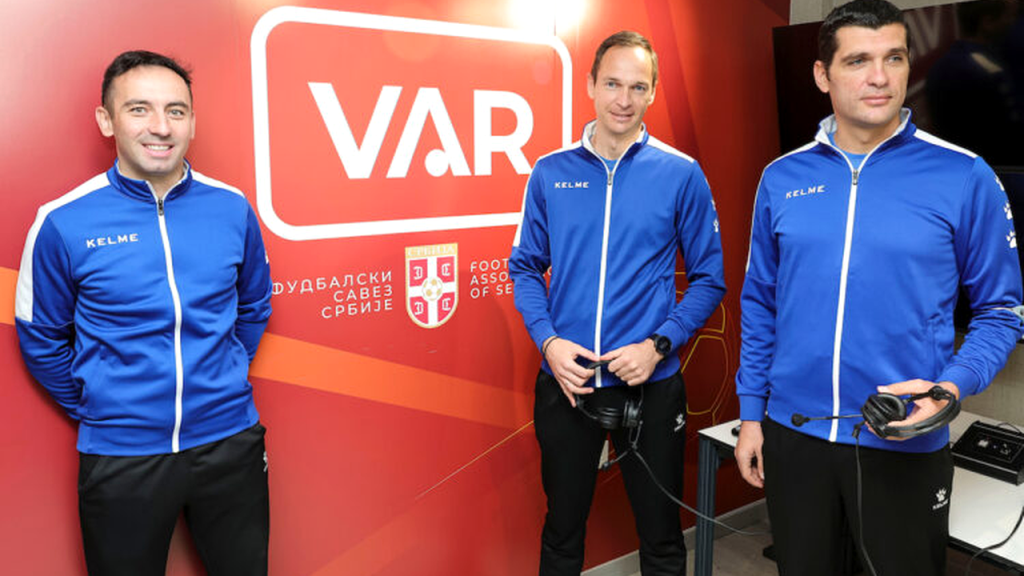
Clubs need to see consistency
Serbian clubs often ask for explanations only once they are directly affected. The reform will be worth more if explanations become a routine part of the process rather than a reaction to pressure.
That does not mean every decision must be debated publicly for days. It means the criteria must be recognisable. When the same contact is whistled in the same way, tension drops even when a decision does not suit everyone.
The FSS has the hardest task here. It must shield referees from pressure, but also show that poor work has consequences. Without that balance, trust does not return.
Younger referees are the heart of the story
If the reform is to have a lasting effect, it must think about younger referees. They need better mentors, clearer video material and more confidence that one mistake does not end a career, while still being analysed seriously.
A good system does not demand perfection from beginners. It asks for progress, courage and an understanding of the game. A referee who knows they have support makes the hard call in the 90th minute more easily.
That is why the UEFA condition may be a good opportunity. It can push the FSS to set the process more firmly than before and to make each season bring measurable progress.
The real result will only show on matchdays
A paper plan can look orderly, but football tests reform on the pitch. The first disputed penalty, the first red card and the first derby will show whether the system is genuinely ready for pressure.
If the criteria hold even when the noise is loud, the reform will have meaning. If everything returns to the old reactions, the arrival of an expert will simply be another missed chance.
Serbian football needs less improvisation and more trust. That is not earned through a single appointment, but through a series of clear decisions that are repeated from round to round.
This is why the topic matters. It is not only about referees, but about whether the FSS can lead a change that people can see where it counts most: on the match pitch.
Trust returns only through repetition
The FSS’s biggest challenge will be making the change last. One good round or one seminar will not restore trust if everything reverts to old habits afterwards. The refereeing system must show the same criteria again and again.
That means errors must also be explained more clearly. Not every mistake is proof of bad intent, but silence often causes a bigger problem than the decision itself. When the public understands the process, the pressure does not disappear, but it becomes smaller.
The UEFA condition can therefore be useful only if it triggers real discipline. The FSS must know who analyses decisions, who protects referees and who takes responsibility when the criteria were not right.
Only then will the reform stop being news from an office and become a change that clubs can feel on the pitch.