
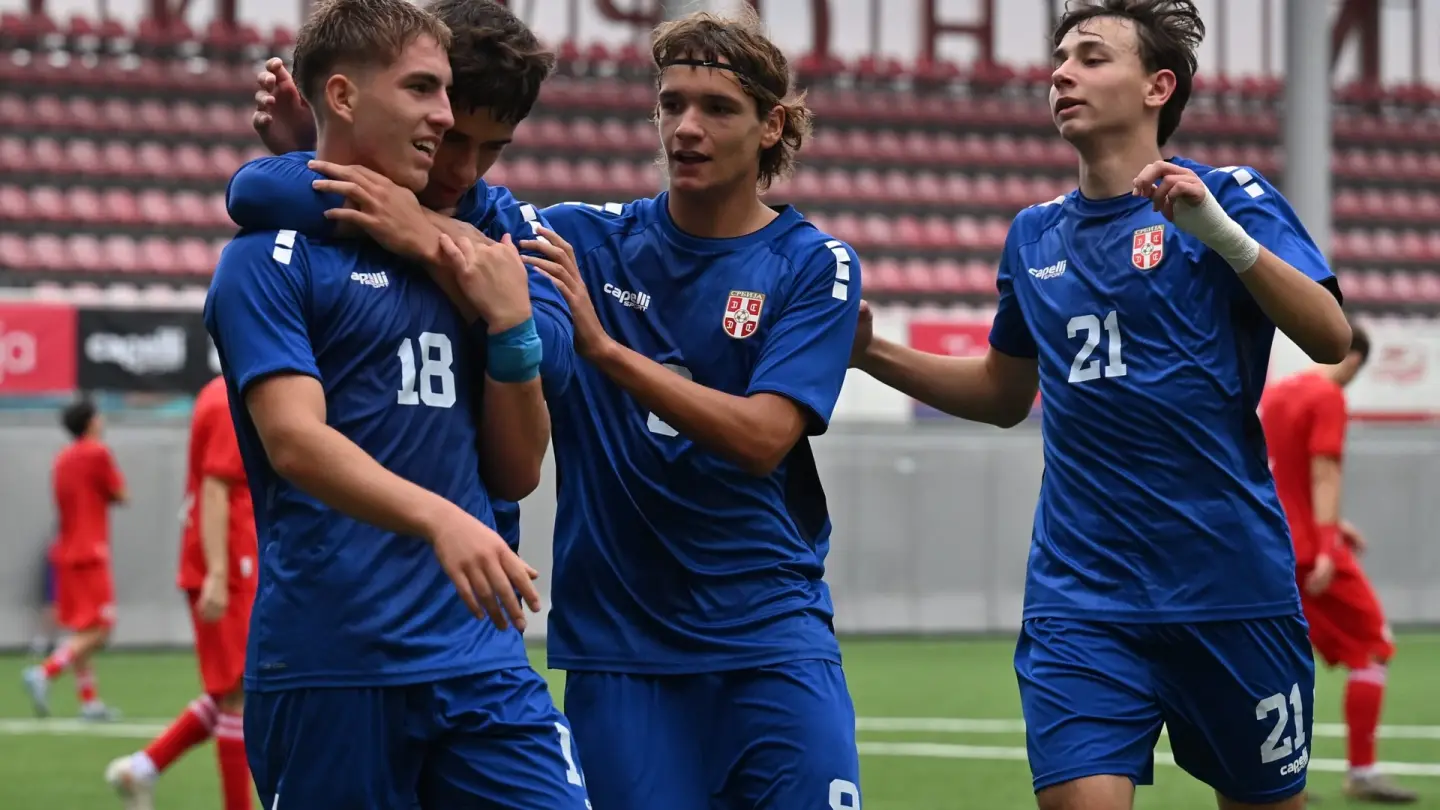
Serbia’s Under-18 national team closed out two friendlies against Russia with one win and one loss apiece. Having taken a 3:2 victory in the opener, Serbia were beaten 2:0 in the rematch, with Sergei Ivarlak scoring in the 20th minute and Mikhail Ivchenko adding the second in the 82nd. Read side by side, the two scorelines paint a fairer portrait of this young squad than either would on its own.
The first game showed attacking nerve, the second the cost of losing your balance
In the 3:2 win, Serbia embraced an open contest and found enough quality in the final third. The return was a different story. Russia shut down access to their penalty area early and waited for the moment when the Serbian shape was stretched. Ivarlak’s goal in the 20th minute let the visitors choose the tempo rather than chase it.
At this age, that contrast is valuable. Within a few days, the players had to move from a side that punishes mistakes to one that must break down an organised defence. Those are two distinct skills. The rematch shows that possession counts for little if the ball is received with your back to goal and no teammate nearby.
Ivarlak’s goal changed the balance of risk
When the opponent scores early, full-backs naturally want to push on, and midfielders begin looking for vertical passes earlier than they should. Russia could drop a few metres and wait for a poor touch or an over-hit pass. Serbia had more of the ball but less space between the opposition’s last two lines.
A better answer would have been patient switching of play from one flank to the other. Two or three secure passes can draw an opposing winger out of position and open a route for the full-back. Direct attacks through a packed centre mostly handed the ball back to Russia. A young team has to learn that calm is not the same as slowness.
The final pass proved harder than reaching the final third
Serbia managed to cross the halfway line, but often attacked a defence that was already set. Wide players received the ball without a clear run into the box, so the cross became predictable. Without movement to the front post and a late arrival from midfield, centre-backs can defend without ever having to shift their position.
The developmental answer is not a higher number of random crosses. One movement needs to pull a marker while another attacks the space left behind. That kind of coordination takes repetition in training, and communication during the match. The player on the ball needs to know whether a teammate is running behind or waiting for the return pass.
| Match | Result |
|---|---|
| First friendly | Serbia 3:2 Russia |
| Second friendly | Serbia 0:2 Russia |
| Ivarlak | 20th minute |
| Ivchenko | 82nd minute |
| Overall record | One win each |
The second goal confirmed a problem without erasing the good work
Ivchenko made it 0:2 in the 82nd minute, at a stage when Serbia had to take risks. A late goal should therefore not be read in the same way as the first. A side chasing an equaliser leaves more room and accepts the danger of a counter-attack. The more useful question is whether that risk was organised, and whether someone remained in position to slow the opponent down.
A defeat without a goal scored can look harsh after a previous win, but that is precisely why it stops the squad from drawing the wrong conclusion that the job is done. Serbia have now seen how their rivals changed approach between the two meetings. The coaching staff has material to show where the team was slow to change tempo and where the attack could have dropped back a step instead of losing the ball.
Minutes shared across several players matter more than the combined score
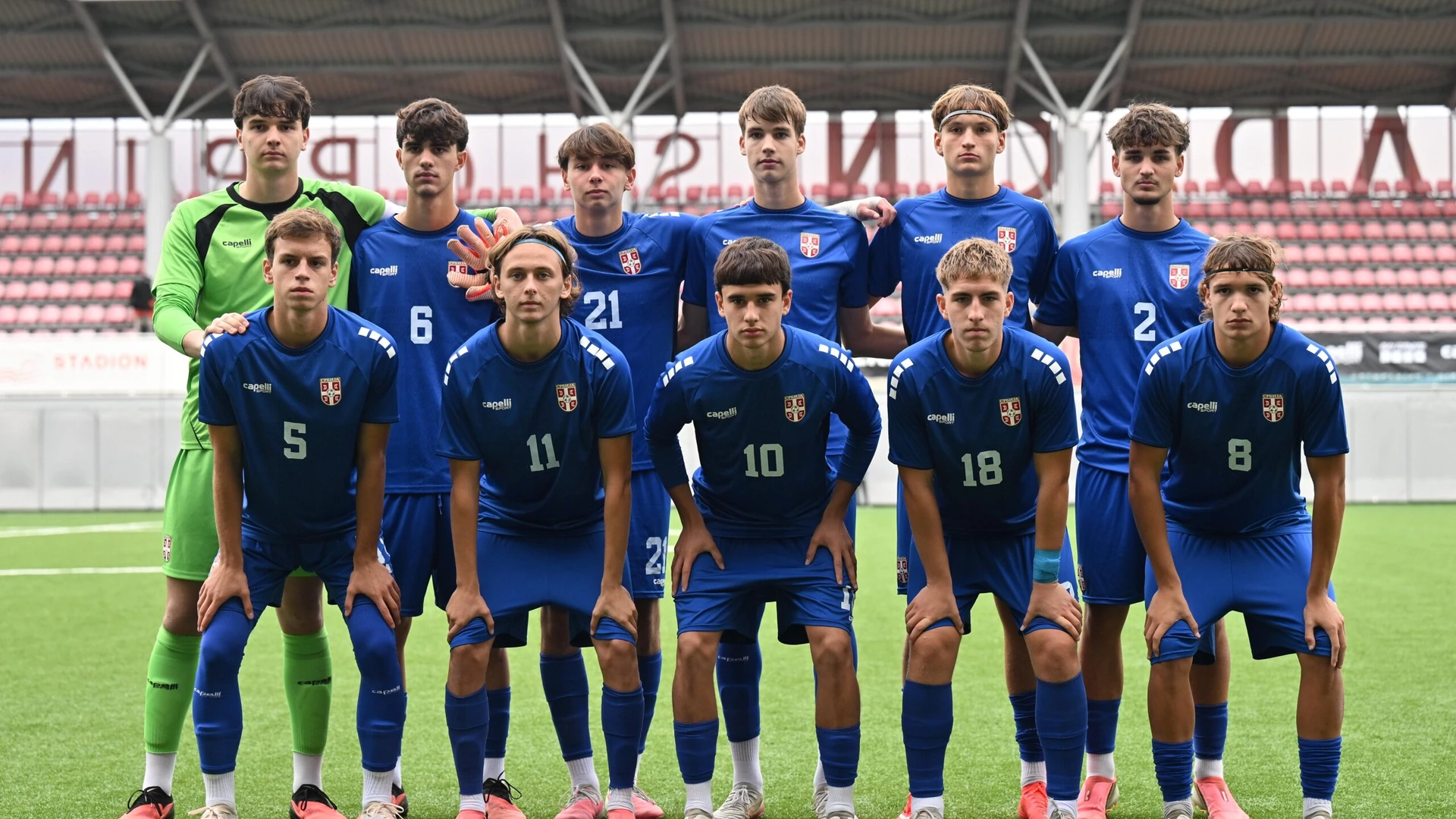
A cycle of friendlies at youth level lets the coach see how players behave in different roles. Someone may come off the bench well when the game is open but struggle to lead the attack from the start against a low block. Another player may not score, yet improve the team’s shape and allow teammates to press more aggressively.
That is why one win and one defeat are not a simple verdict on a generation. It is more useful to compare reactions: who asked for the ball after a mistake, who recognised the moment to slow the game down, and who could repeat a sprint back into defence. Those details say far more about readiness for the next level than a friendly table that will be forgotten by the end of the season.
Two matches leave a clear theme for the next camp
Serbia have proof that they can score three against Russia, and a warning that the same opponent can shut down their main routes. The next training block should connect those two pictures. The attacking freedom from the first match needs to gain security behind the ball, while the patience from the rematch must turn into clear chances more quickly.
An Under-18 squad does not need to choose between open play and caution. The aim is to recognise when each pace is required. Split results are therefore a useful developmental outcome: the confidence has not disappeared, and the weaknesses have become visible enough to be corrected with precision.