
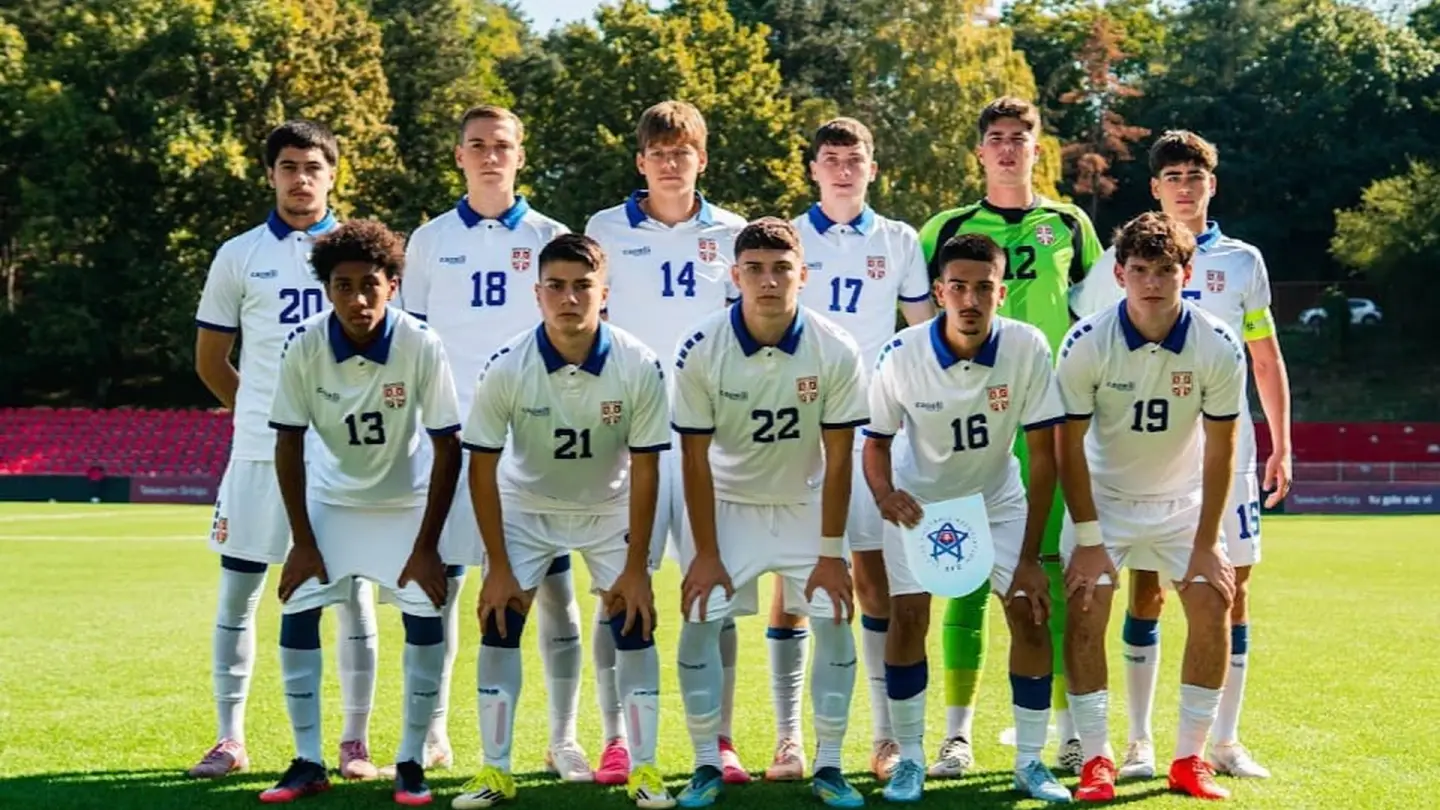
Serbia’s U17 side fell 2:3 to Slovakia in the second friendly in Ub. The visitors struck first through Žofčak in the 42nd minute, but Serbia hauled themselves back twice after the break, with Bogdan Marković and Matija Prijović both finding the net. Vaclavik then sealed the result in the 87th minute. Across the two tests, a 1:1 draw and this 2:3 loss, the coaching staff gained useful evidence before the November qualifiers for the 2027 European Championship.
Slovakia made the most of the closing stages of the first half
The opening forty minutes produced no goal, but Slovakia turned one of the last chances before the interval into a lead in the 42nd minute. Žofčak scored at a moment when Serbia were already thinking about heading into the dressing room calmly. A goal like that changes the plan for the second half, because the team can no longer just build attacks without the pressure of the scoreboard.
For a young squad, the reaction to a goal conceded just before half-time matters. There is no time to respond on the pitch, so the coaching staff in the dressing room has to separate the cause from the consequence. One lost situation does not mean the whole system needs changing. What needs to be pinned down is where the closing of space broke down, and then the principles that had kept Serbia competitive should carry on.
Marković and Prijović pulled Serbia back into the game twice
Bogdan Marković equalised in the 56th minute and Matija Prijović restored parity again in the 78th. Those two comebacks show the team did not lose faith after Slovakia’s second lead. Serbia managed to push their lines higher, win territory closer to the penalty area and find a player who finished the move without unnecessary delay.
A response like that has developmental value even when it does not produce a positive result. An U17 squad has to learn that scoreboard pressure should not turn every pass into a desperate attempt. The best answer comes from organised attacking, with enough players around the ball and cover behind it. The two equalisers confirm that Serbia found that balance on more than one occasion.
Five minutes after the first equaliser, a problem surfaced
Just five minutes after Marković’s goal, Slovakia retook the lead through Lembakoali. The period immediately after a goal is often dangerous, because the team wants to keep up its momentum while its shape has not yet fully settled. Serbia needed to close the central channel faster and reduce the number of players committed to a new attack at the same time.
The lesson is not that after an equaliser a side should retreat to its own penalty area. It is to keep the ball through a few secure passes and force the opponent to organise its pressing again. That way, the emotional energy of a goal becomes control. If the team rushes for another decisive pass straight away, the rival gets the chance to attack a side caught between its attacking and defensive shape.
| Event | Detail |
|---|---|
| Result | Serbia U17 2:3 Slovakia |
| Half-time | 0:1 |
| Serbia scorers | Bogdan Marković 56, Matija Prijović 78 |
| Decisive goal | Vaclavik 87 |
| First test | 1:1 |
| Qualifiers | Portugal, Bulgaria and Andorra in November |
Heavy rotation gave the coaching staff more answers
Head coach Radovan Krivokapić changed the side throughout the second half and spread minutes across a larger group of players. In a friendly, a move like that is not simply rest for the starters. Every substitute is a test of how quickly they understand the tempo, accept their role and communicate with team-mates who have been on the pitch for a long time.
The changes also produced both Serbian goals, but their impact should not be judged by the closing stages alone. What matters is who offered a secure first pass, who closed space after losing the ball and who kept the attack wide. Ahead of the qualifiers, the squad will need a bench that can change the tempo without losing organisation. This match gave the coaching staff a clear picture of those reactions.
Vaclavik’s goal punished a more open finish
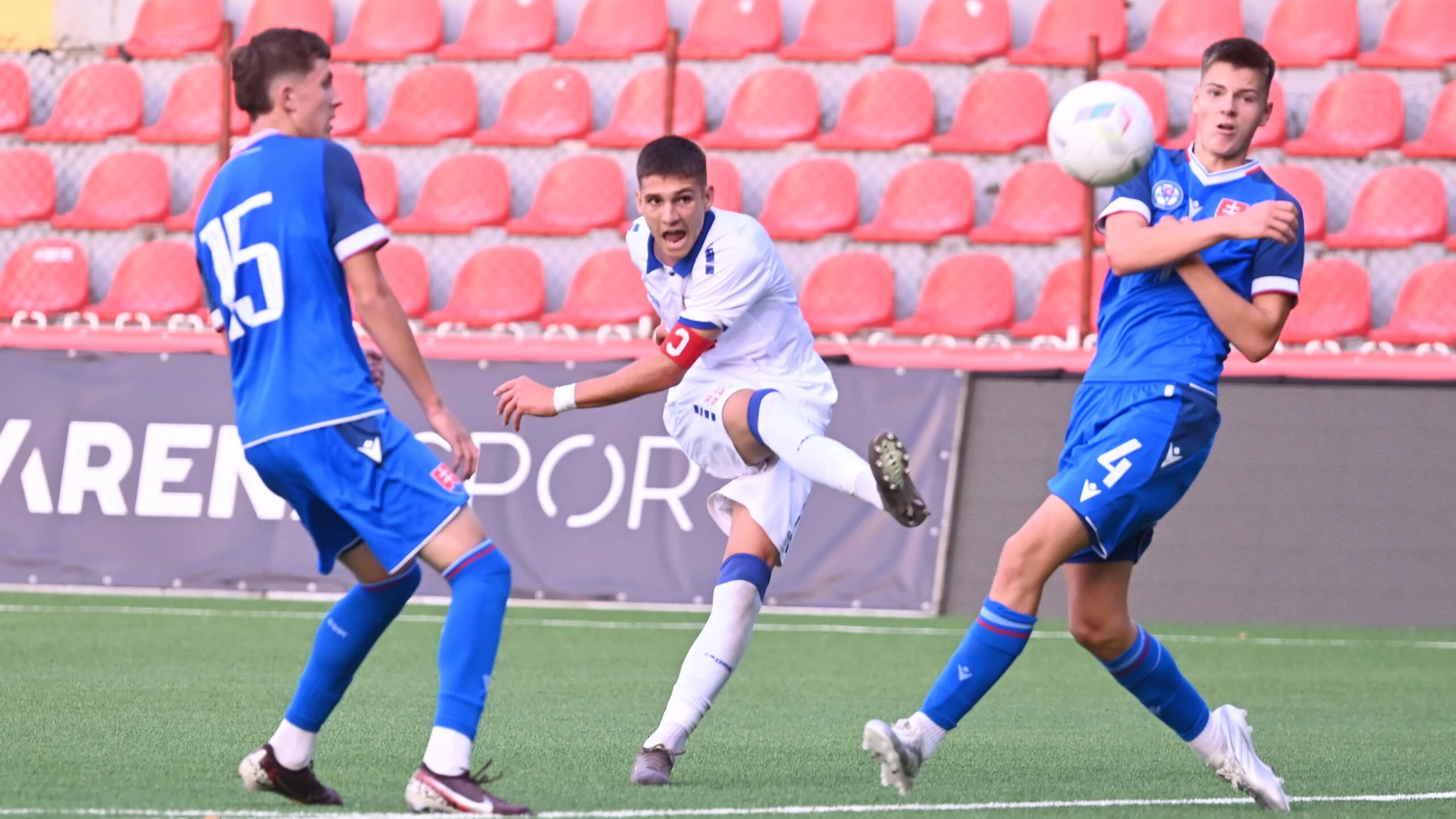
Just when it seemed the second test would end without a winner, Vaclavik scored in the 87th minute to make it 2:3. After their second equaliser, Serbia were chasing a complete turnaround, so the shape naturally became more open. The risk made sense, but the back line and midfield needed to stay connected to slow down Slovakia’s first forward pass.
A late goal does not erase two comebacks, but it shows that energy without cover is not enough. In a competitive match, a point won after two deficits can carry real value. Young players therefore have to recognise when to keep up the pressure and when a few seconds of holding shape matter more. Managing the closing stages is learned precisely through friendlies like these.
The November qualifiers demand a blend of courage and discipline
Serbia will play hosts Portugal, Bulgaria and Andorra in the first qualifying round for the 2027 European Championship. Each opponent will offer a different rhythm and a different level of pressure. The two matches against Slovakia, ending 1:1 and 2:3, showed that the squad can respond after falling behind, but also that it must protect the period straight after its own goal more carefully.
There is enough time before November to correct the gaps between the lines, the defence of the first ball won back and the choice of tempo when the score is level. The aim is not to turn a defeat into a dramatic conclusion. It is to keep the attacking determination that produced two goals and add calm in the closing stages. When those two qualities work together, the result of a friendly becomes useful preparation rather than a burden.