
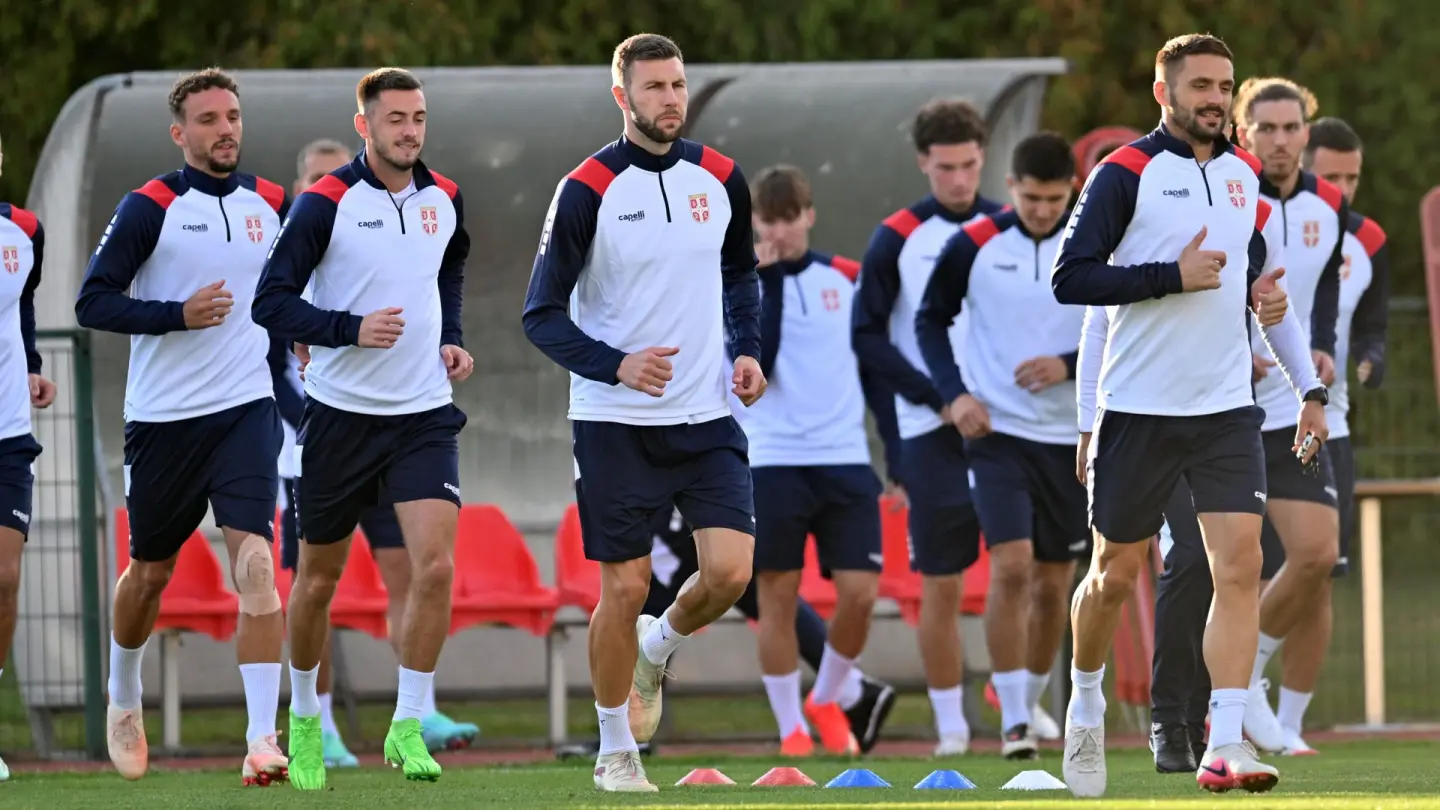
An early lead that never became control
Serbia got the start they wanted when Andrija Živković scored in the fourth minute. Dušan Tadić set up the move, and the early goal let the hosts dictate the tempo rather than chase the result from the outset.
Having taken the lead, the task was to turn a good start into a steady spell of control. Serbia kept reaching new attacking positions, but they could not find a second goal that would force Greece to open up completely.
The visitors stayed calm and kept their shape. They closed off the most direct route through the middle, gradually pulled Serbia away from the rhythm they had established and waited for space around the home midfield.
Missed chances weighed more heavily as the match went on. A slim advantage left no room for relaxing, and Serbia too rarely slowed the game down with secure possession.
Christos Tzolis equalised in the 74th minute after a pass from Vangelis Pavlidis. That goal confirmed Greece’s growing pressure and turned the closing stages from protecting a lead into an open fight for the result.
After the equaliser, the cost of the wasted early momentum was clear. Serbia had to attack again while also stopping an opponent who had gained confidence and fresh legs.
Greece changed the course of the match without hurry
Veljko Paunović’s side needed a winning goal, but the shape behind the ball became harder to hold. With fewer passes, Greece reached the flanks and attacked before the home defence could fully set itself.
After the first goal, Serbia had the most room precisely when Greece had to push their lines up. That spell was not used decisively enough. Timely passes behind the full-backs and more players in the box were missing, so promising situations often ended before the visiting goalkeeper had to react.
The Greek defence did not try to win the ball at any price. Their priority was to keep Serbia away from the centre of the penalty area. The home team therefore attacked from wide positions more and more often, but without enough players on the near and far posts, which made the centre-backs’ job easier.
Changes from the bench gave the visitors fresh energy off the ball. Pavlidis managed to link up the attack, while Tzolis attacked the space that opened between the full-back and the centre-back. The equaliser did not come from a lucky scramble but from a move in which Greece identified a weak point in the Serbian structure.
After conceding, Serbia sped up the game, but faster passing did not always mean better decisions. Several attacks began without adequate cover behind the ball. As a result, every lost possession forced the midfielders to run back towards their own goal rather than immediately restoring the pressure.
The decision came in stoppage time. Kostas Tsimikas sent the ball in from the left, and Anastasios Douvikas finished with a header to complete the visitors’ turnaround.
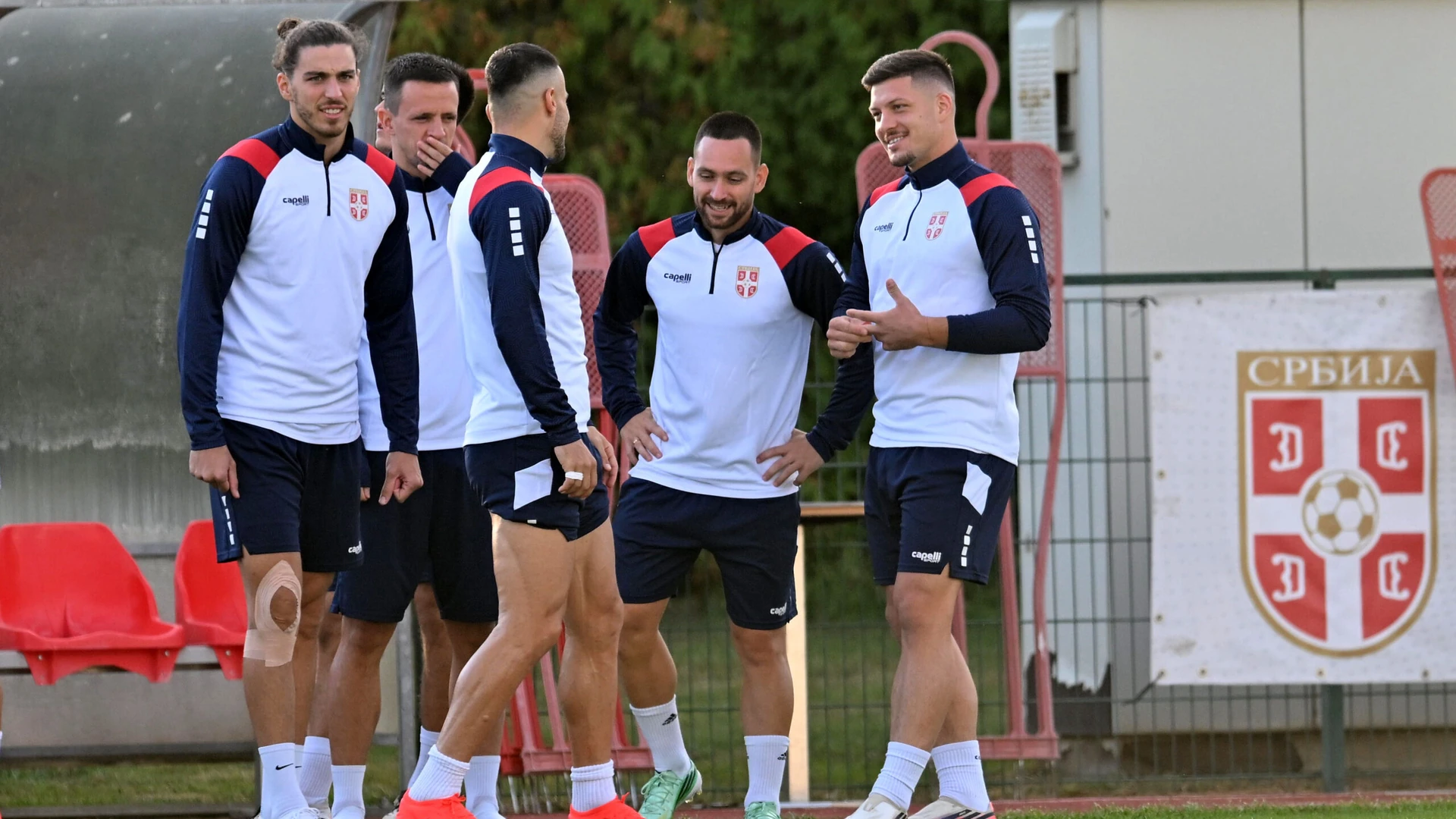
The closing stages exposed a structural problem
A 2:1 defeat does not erase the quality of Živković and Tadić’s early move. However, it shows that after taking the lead, Serbia must better connect their attacking intent with control of space and tempo.
Tadić remained an important link between midfield and attack, but the movement around him was not equally sharp throughout the game. When those runs slowed, Greece found it easier to steer possession away from their own goal.
The visitors earned their result through patience. They survived the initial pressure, restored the balance through Pavlidis and Tzolis, and then exploited Douvikas’s movement at the moment of greatest pressure on the Serbian defence.
The way the decisive goal came is especially significant. Serbia needed to stop the build-up on the left earlier, and then to organise their players in the box more clearly before Tsimikas’s cross.
A late collapse like this demands a collective response from the whole team, not only from the back line. Forwards can slow the first pass, midfielders can close the route into the flank, and centre-backs can only then take up a better position for the final duel.
The first message of the new League of Nations cycle is therefore clear. An early lead must be followed by a second period of control, and in the next match Serbia must react better after missed chances and during late defending in the penalty area.
Lessons before the League of Nations resumes
Against the decisive cross, the passer and the space in front of goal should have been closed off earlier. Tsimikas had time to lift his head, and Douvikas attacked the ball on the run. In such a situation a defender reacts under greater pressure, because the attacker already has pace and can choose the side to finish.
The result does not call for abandoning the original plan entirely. The first few attacks showed that Serbia can find a player between the lines and switch the focus quickly. The same quality needs to remain when the opponent changes the height of its press or brings on fresher players.
An important part of the next preparation will be managing the match after taking the lead. That does not mean pulling every player back, but choosing the moment for risk more wisely. Longer possession, secure recycling of the ball and a foul well away from goal are sometimes worth as much as another attempt in the closing stages.
A defeat at the start of the cycle raises the stakes of the next outing, but it gives no reason for panic. The coaching staff now has a very concrete picture: a good start, an under-used spell of advantage and a late lapse in protecting the flanks. Correcting those details matters more than major changes to the squad.