
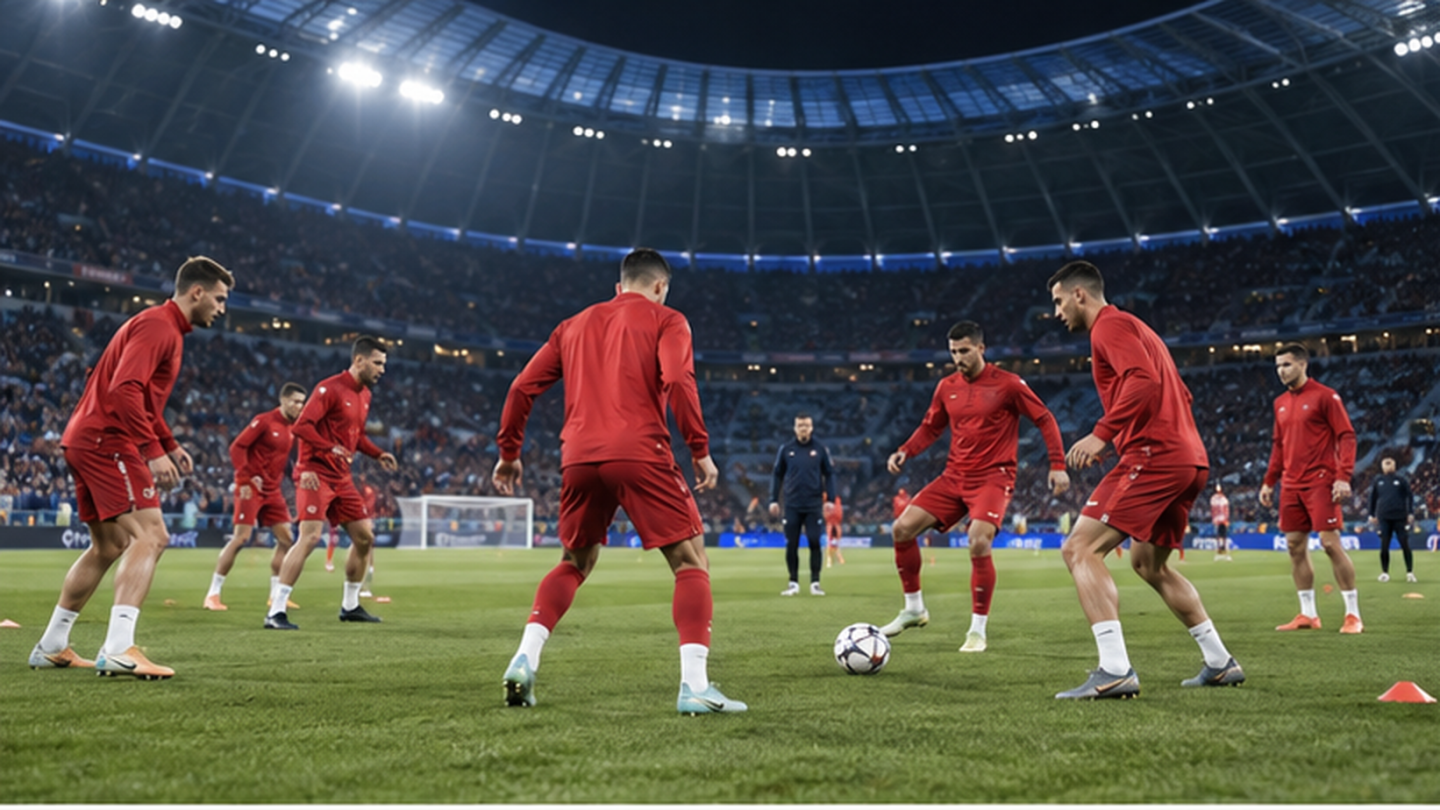
Serbia’s football team play their third Nations League match against Germany in Munich without Sergej Milinković-Savić. Head coach Veljko Paunović confirmed that the midfielder is not with the squad, citing the medical team’s report, but did not specify the exact nature of the problem. The game at the Allianz Arena follows defeats to Greece and the Netherlands, so Serbia need their first points and a clearer improvement in their play against an opponent that will also be looking for a strong response.
Sergej’s absence changes the workload in central midfield. Serbia lose a player who can receive the ball under pressure, win aerial duels and threaten the box with late runs. Paunović therefore has to find a balance between protection from Germany’s pressing and enough courage to play out with the ball. If the midfield stays too low, the forwards will be cut off; if it pushes forward too early, the hosts will find space between the lines.
The midfield has to make up for the absence
Nemanja Gudelj can bring experience and composure in the first pass, while younger players offer more running and aggression. The choice depends on whether Serbia want an extra midfielder to cover the zone or a player ready to attack open space immediately. More important than the names will be the distances between the lines. Germany punish any delay in closing down, so every move forward to the man on the ball must be matched by the whole team shifting across.
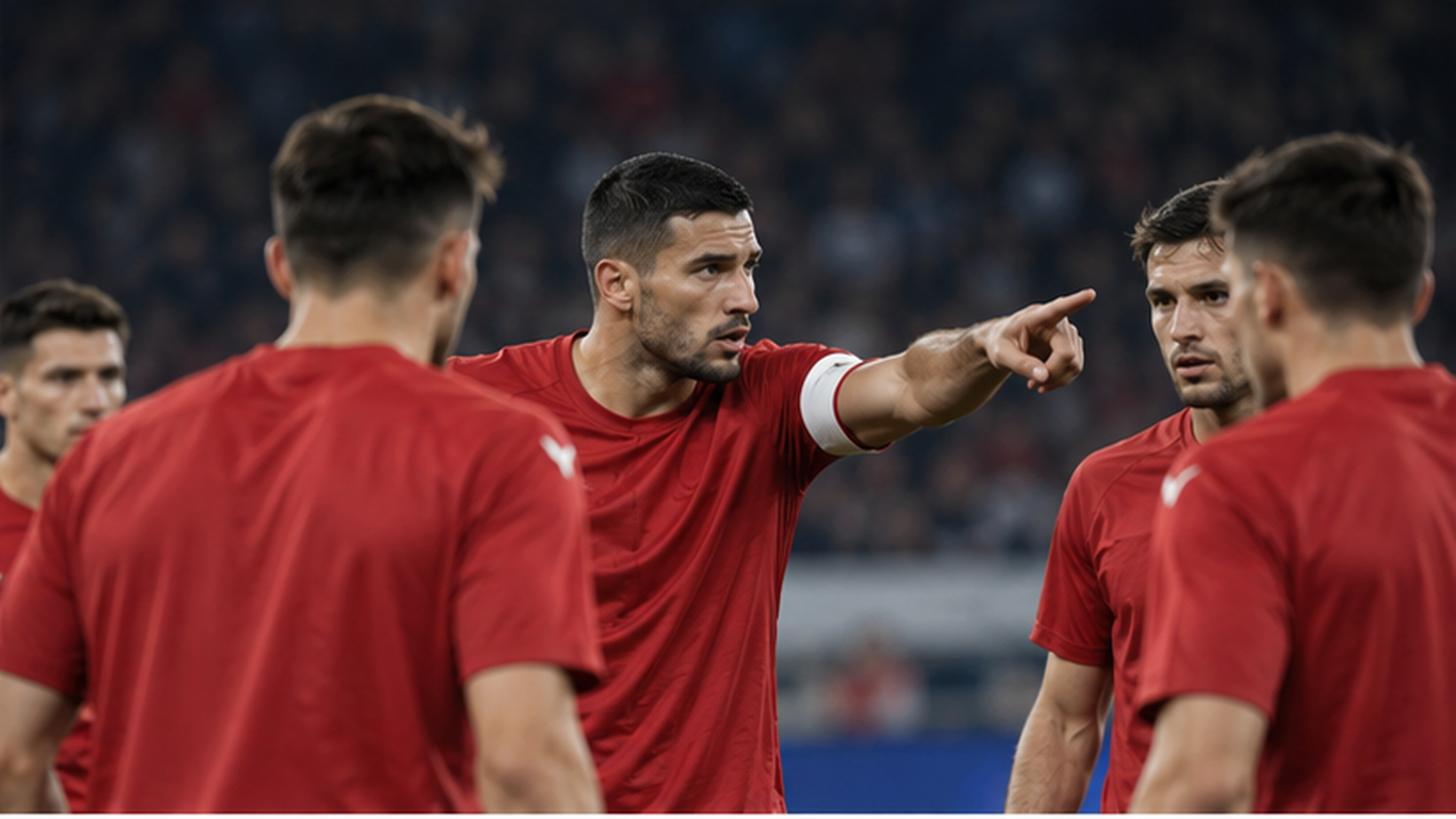
Captain Dušan Tadić stressed the good atmosphere and unity in the camp, but such messages have to show up in decisions on the pitch. Serbia had spells of better football in the previous match, yet they did not maintain that level for the whole game. In Munich it will be especially important for the side to stay calm after losing the ball or conceding a goal. Uncontrolled chasing against a technically strong rival would only open further gaps.
Set pieces can be an important source of chances. Without Sergej’s height Serbia lose one target, but they still have players capable of attacking the near and far posts. The quality of delivery must be precise, because against Germany there will not be many free kicks and corners. Equally important is protection after set pieces: two players must control the rebound and stop the hosts’ quick transition.
Paunović wants consistency over the full match
The coach said the result after the first two matches was not satisfactory, while the performance against the Netherlands was better than at the start of the competition. His main message concerns continuity. A good twenty-minute spell has little value if it is followed by a drop in concentration and a loss of shape. In Munich Serbia must repeat simple principles: a compact block, timely support and a clear first pass after winning the ball.
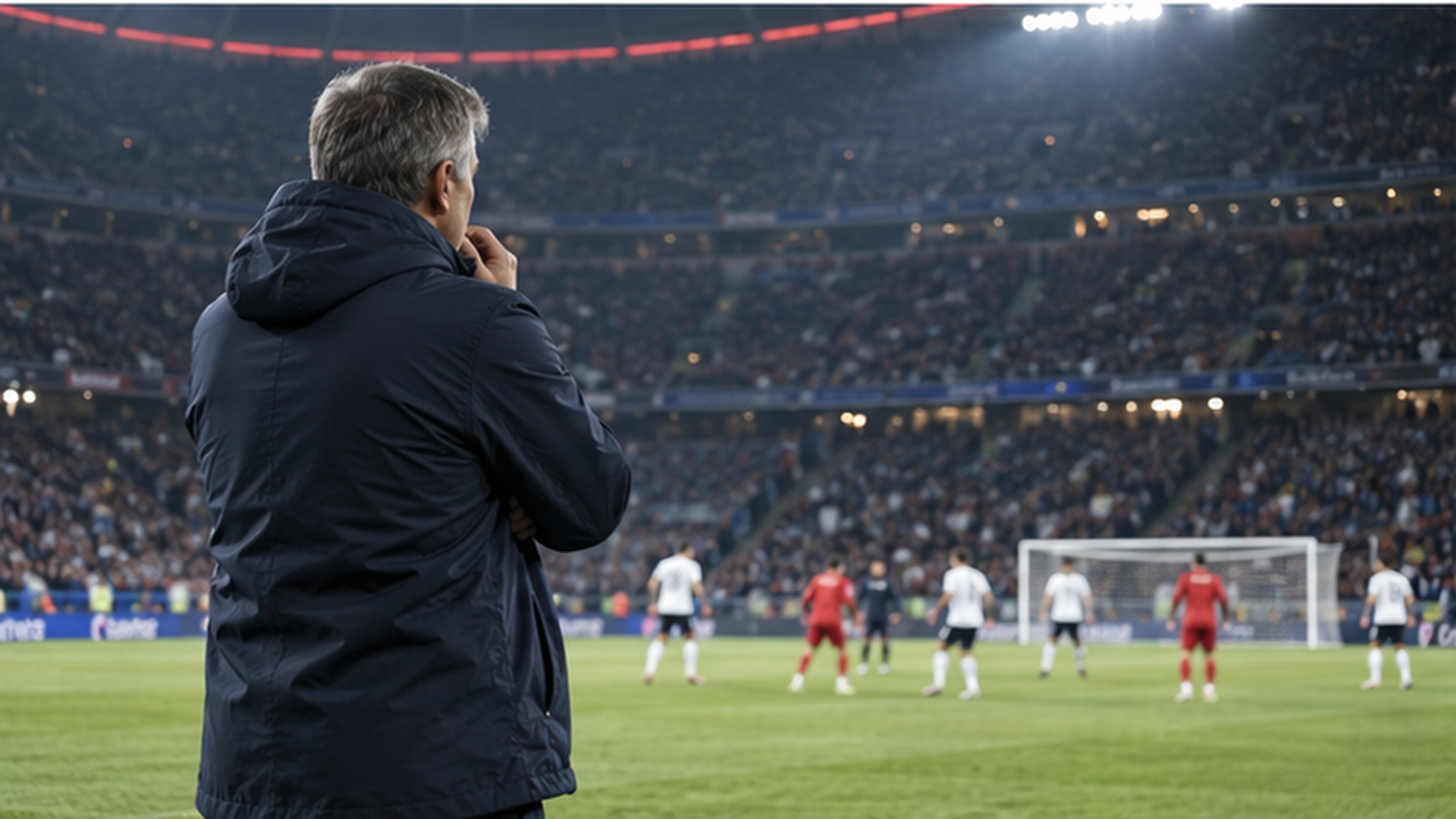
Germany will probably try to raise the tempo early and bring the crowd into the game. The first fifteen minutes are therefore a test of discipline, but Serbia cannot simply wait. A few successful escapes from the press can make the home full-backs wary and give Tadić or Luka Jović more touches in the danger zone. Each longer possession also gives the defence time to shift up and recover.
A trip to Munich will not decide the whole group, but it can set the direction for the coming days. After this match Serbia travel to Eindhoven, which makes energy and the distribution of minutes even more important. A team without Sergej has less physical power and creativity concentrated in one player, but it gets a chance to show a wider structure. Points would change the table, while an organised and brave performance would restore confidence before the next challenge. Special attention will be needed in the final twenty minutes, when tiredness increases the gaps between defence and midfield. Paunović must keep at least one substitution for the midfield and react before the side loses control. If Serbia stay compact even after changes, they can exploit the space Germany leave in search of a goal. Managing the bench is therefore part of the plan, not just a response to the result.