
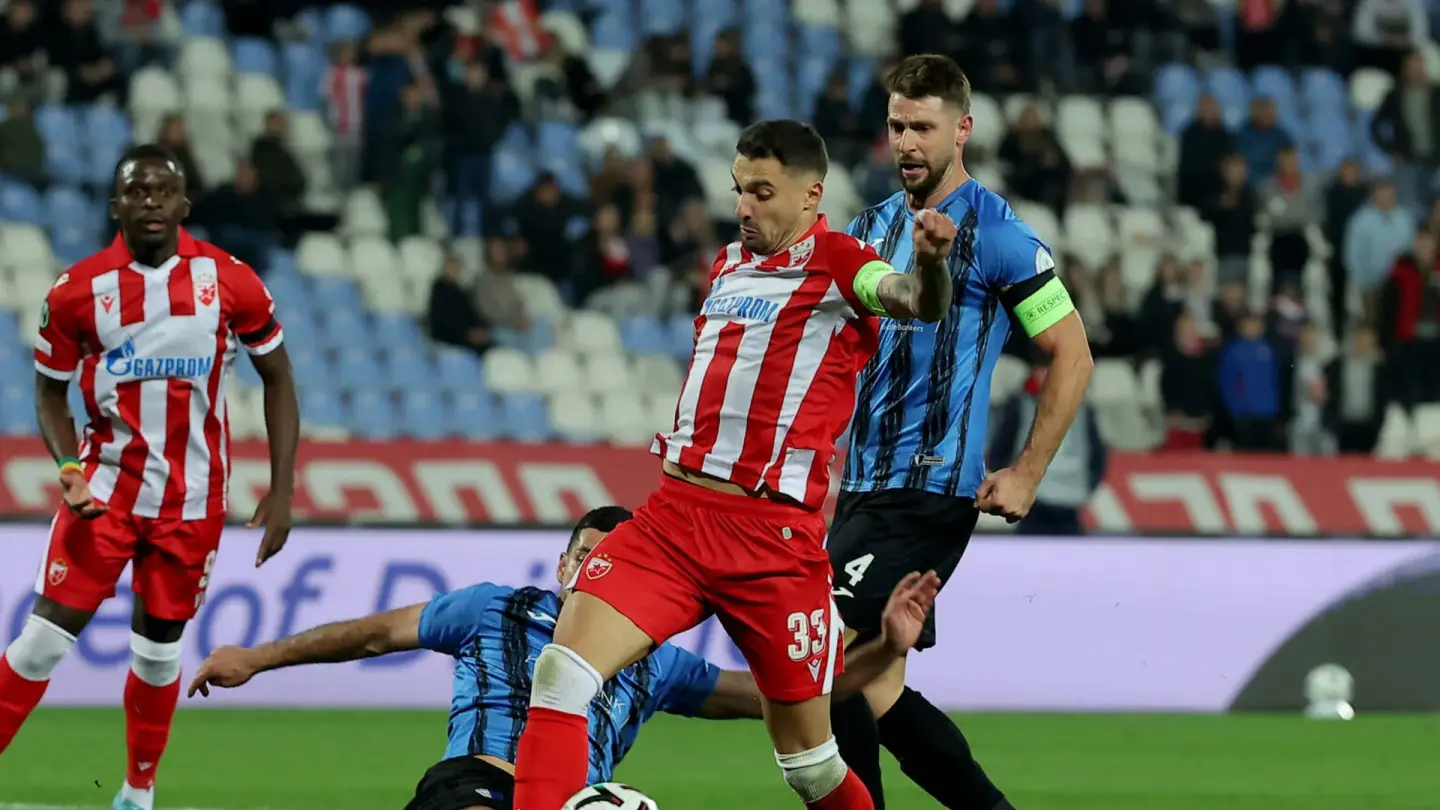
Trailing side needed a calmer approach in the final third
Inter defended deep and closed off the middle of the pitch, so Red Star often reached the final third with no free space to shoot from. Quick crosses did not bring enough, as the visitors had the numerical advantage inside the penalty area.
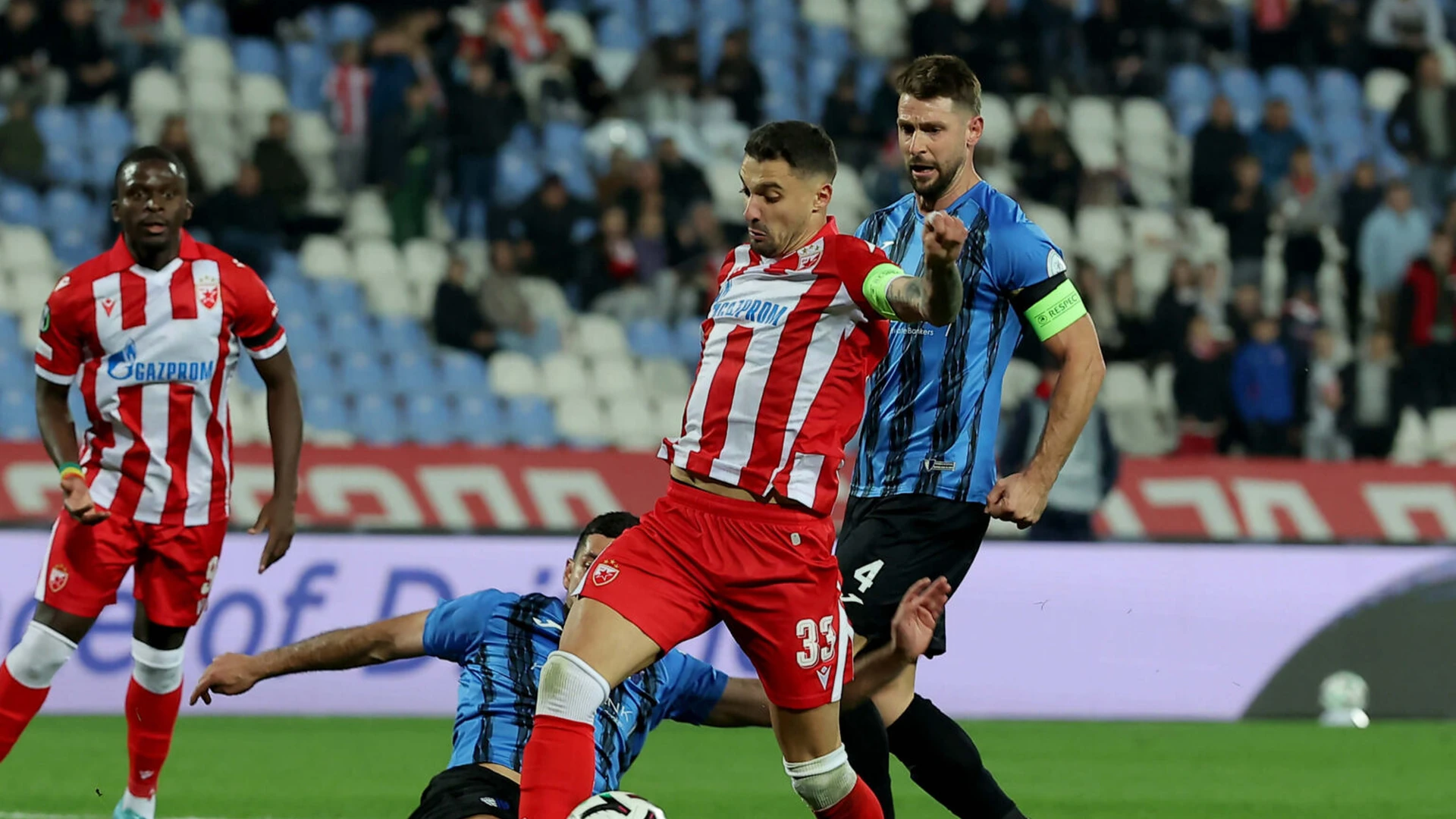
In the second half the home side began switching flanks more often and bringing on players from the bench. That movement forced Inter’s defence to make decisions on the move, rather than simply waiting for the ball.
Two late goals rewarded their patience
Red Star did not give up as the clock ran down. The pressure became more precise, and the ball was pushed back towards goal more quickly after every clearance. From that rhythm came the turnaround to 2:1.
The match was played on 5 November in the league phase of the Conference League. The winning goal carries real weight, but the game also showed that Red Star must find an answer to a low block earlier.
Points matter, but the lesson matters more
The late win protects a good position in the European table and shows the side can stay composed under pressure. Still, stronger opponents will punish a slow start and imprecise final passes.
The next step is to carry the intensity of the closing stages across most of the match. That would reduce the need for risky comebacks and let the coach control the tempo earlier.