
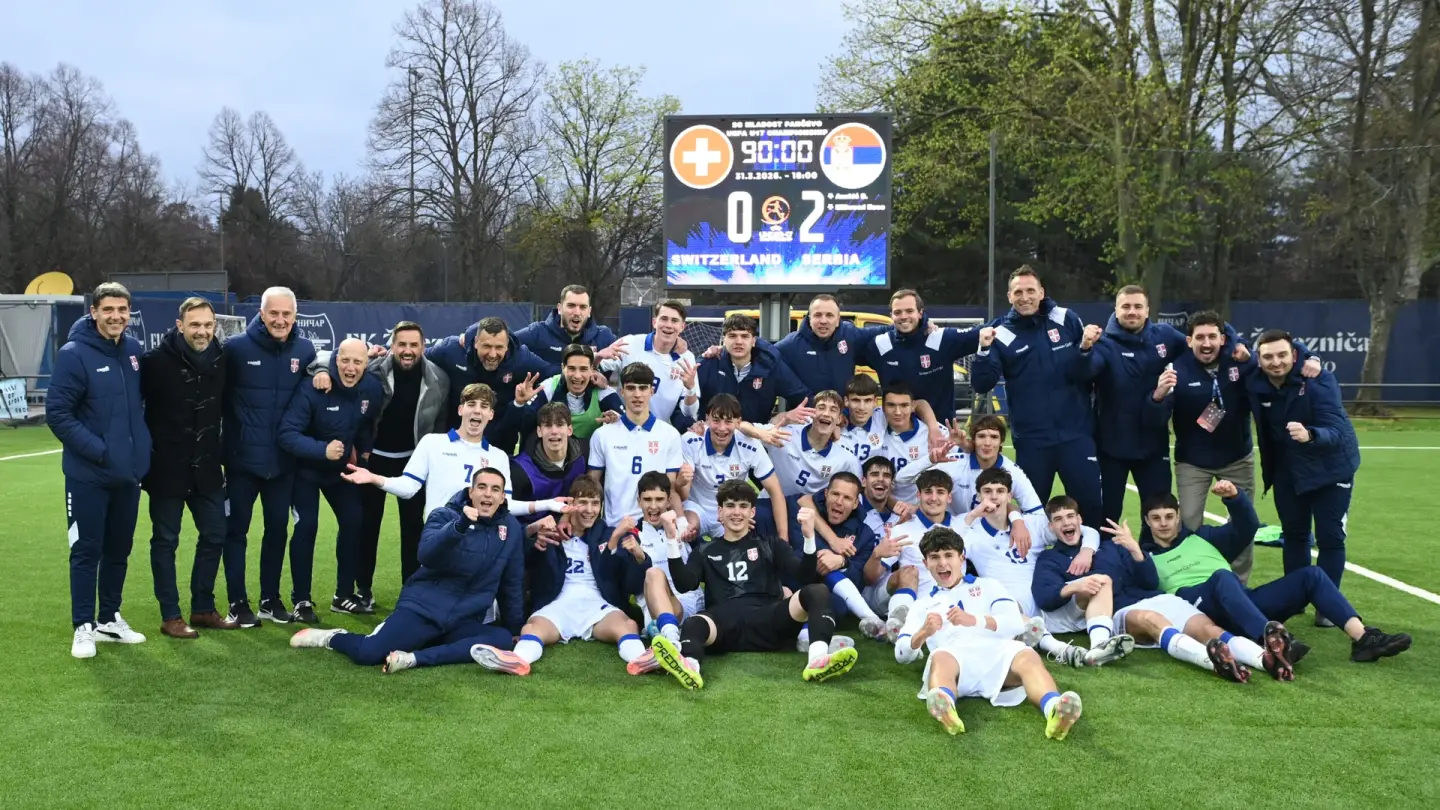
The squad blends home-grown talent with experience abroad
The group draws players from several Serbian clubs, along with footballers developing at academies overseas. The different habits they bring from their clubs could work in the squad’s favour, provided the side quickly agrees shared rules for pressing and playing out from the back.
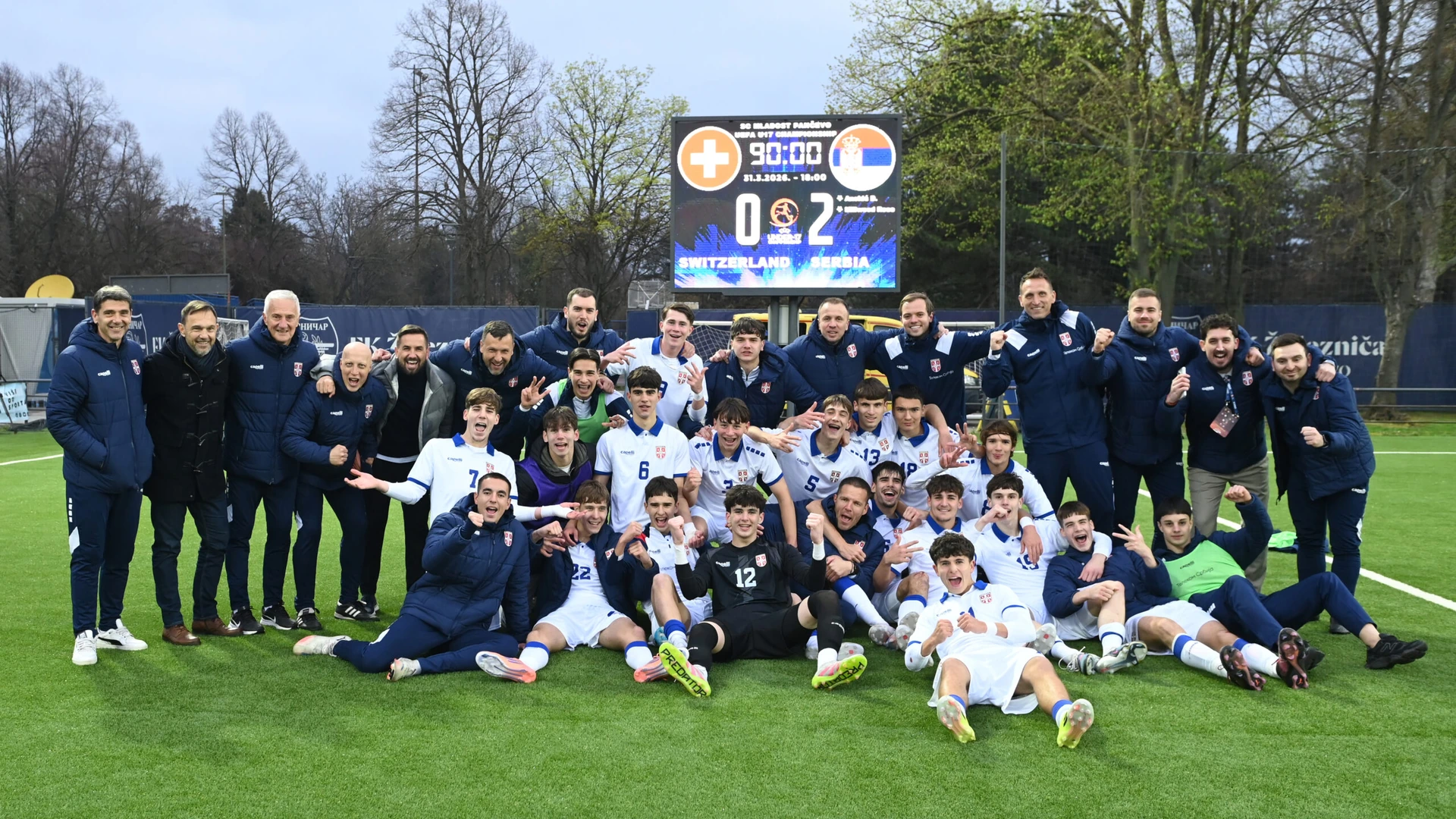
Matić does not have much time for complicated changes. The priority is keeping the lines connected and making sure every player knows where the nearest safe option is once the opponent shuts down the middle.
The opening match sets the tempo for the tournament
In the group stage, Serbia will face sides with contrasting pace and different ways of attacking. The tight schedule leaves little room to recover from a poor result, so a controlled start matters especially.
The players should not shy away from risk, but a risky pass has to make sense. A lost ball in the centre leaves the defence no time to recover, whereas a well-timed switch of play can open up a winger without an unnecessary duel.
The result is not the only measure of progress
The World Cup shows how young players cope with travel, a different climate, full stands and opponents they have not met before. That kind of experience helps both the clubs and the national selections that follow.
A good tournament demands discipline without the ball, boldness in possession and the ability to change the plan during a match. If Serbia holds on to those three qualities, this generation will gain valuable experience whatever the final placing.