
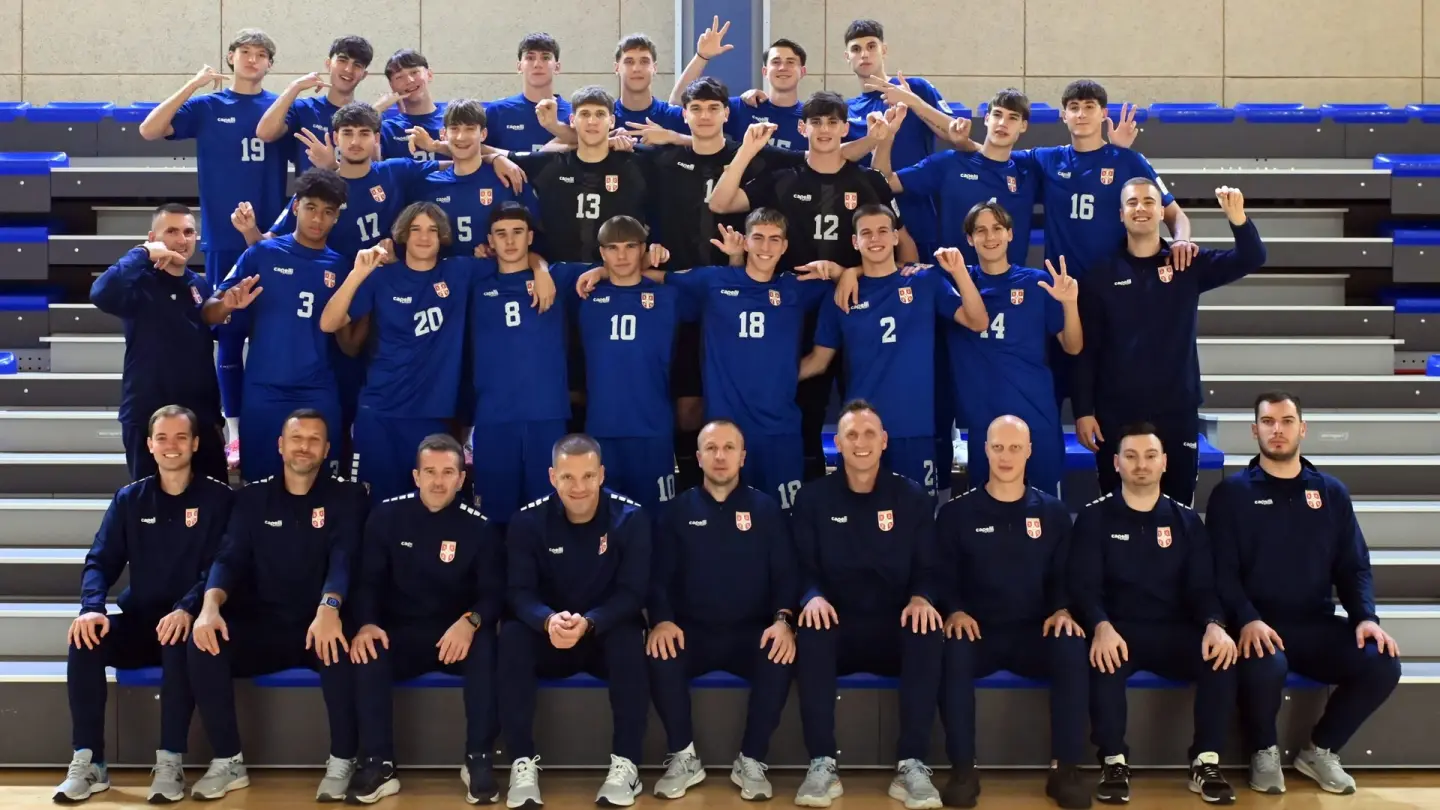
Serbia is entering the final stage of preparations with a squad of 21 players. A 48-team tournament demands quick adaptation, as there is little time in the group stage to put right a poor start. The coaching staff must therefore strike a balance between freshness, a bold approach and simple solutions for moments when the match speeds up.
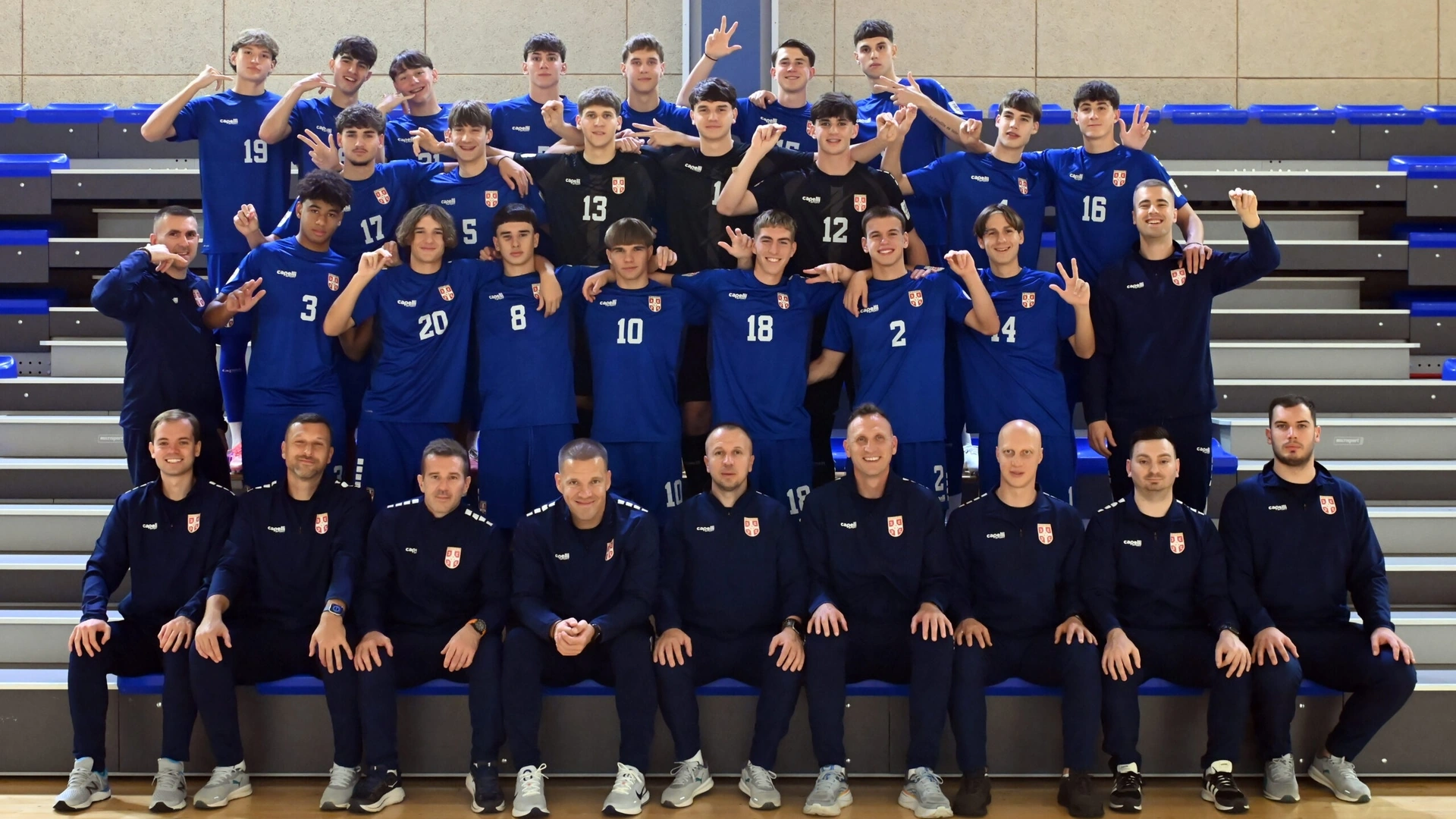
The World Cup in Qatar runs from 19 November to 13 December. Serbia open their group against Honduras on 21 November, then face Japan on 24 November, with Colombia as their final opponent on 27 November. It is the country’s first appearance at this tournament since FIFA launched the competition in 1985.
Three rivals, three different answers
Honduras bring a physically demanding contest and the importance of winning the second balls. Japan traditionally insist on quick movement, technically clean passing and constant changes of position, while Colombia can combine strength with individual quality in the final third. Serbia therefore cannot use the same plan in all three matches.
The first task will be a composed exit from the back. The players must recognise when it is possible to build through short passes and when it is safer to bypass the first wave of pressure. Losing the ball close to your own goal at this level quickly becomes a big chance for the opponent, so decisions have to be fast without being rash.
A historic qualification must not become a burden
The fact that the wait for a tournament appearance lasted 41 years gives this trip special meaning. Still, the young players should not carry the responsibility of earlier generations. Their job is to break each match into understandable tasks: a good start, short distances between the lines, timely support for the player on the ball and a calm reaction when the opponent produces a good spell.
The football federation chose the name Boma for the mascot, in honour of Bora Milutinović and his work at World Cups. That symbol links the tournament to a great history of Serbian coaching, but the result will depend on the details on the pitch. Set pieces, the recovery run and the conversion of the first big chance may weigh more than a long spell of possession.
A schedule of three matches in seven days requires careful management of minutes. Players who do not start the opening game could become very important against Japan or Colombia, when fatigue changes the speed of reaction. For that reason, the quality of training and an understanding of every reserve’s role have a direct impact on the outcome.
Progressing to the next round would be a further step for a generation that has already achieved what Serbian youth football had long failed to do. The best way to confirm this historic success is for the team to play without fear, but with a clear structure. Qatar will show how quickly the players can learn between matches and whether they can keep their level when the quality of the opposition changes.