
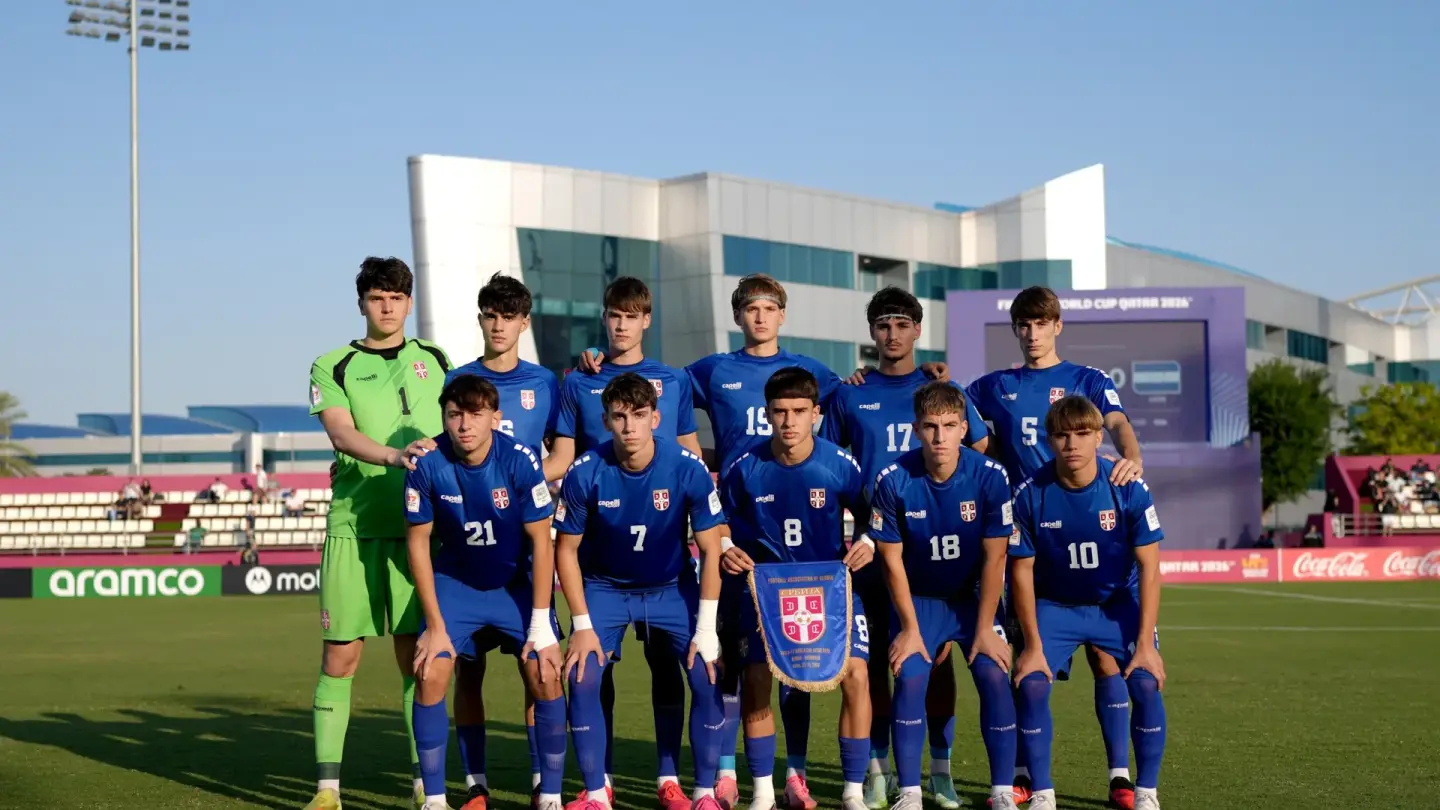
Serbia’s under-17 side bounced back from the defeat to Uruguay with a more composed and purposeful display against Honduras. Igor Matić’s team won 2:0, and Tadija Samardžić scored both goals. The result keeps Serbia’s chances of progressing alive, though there is no room for complacency ahead of the final group game.
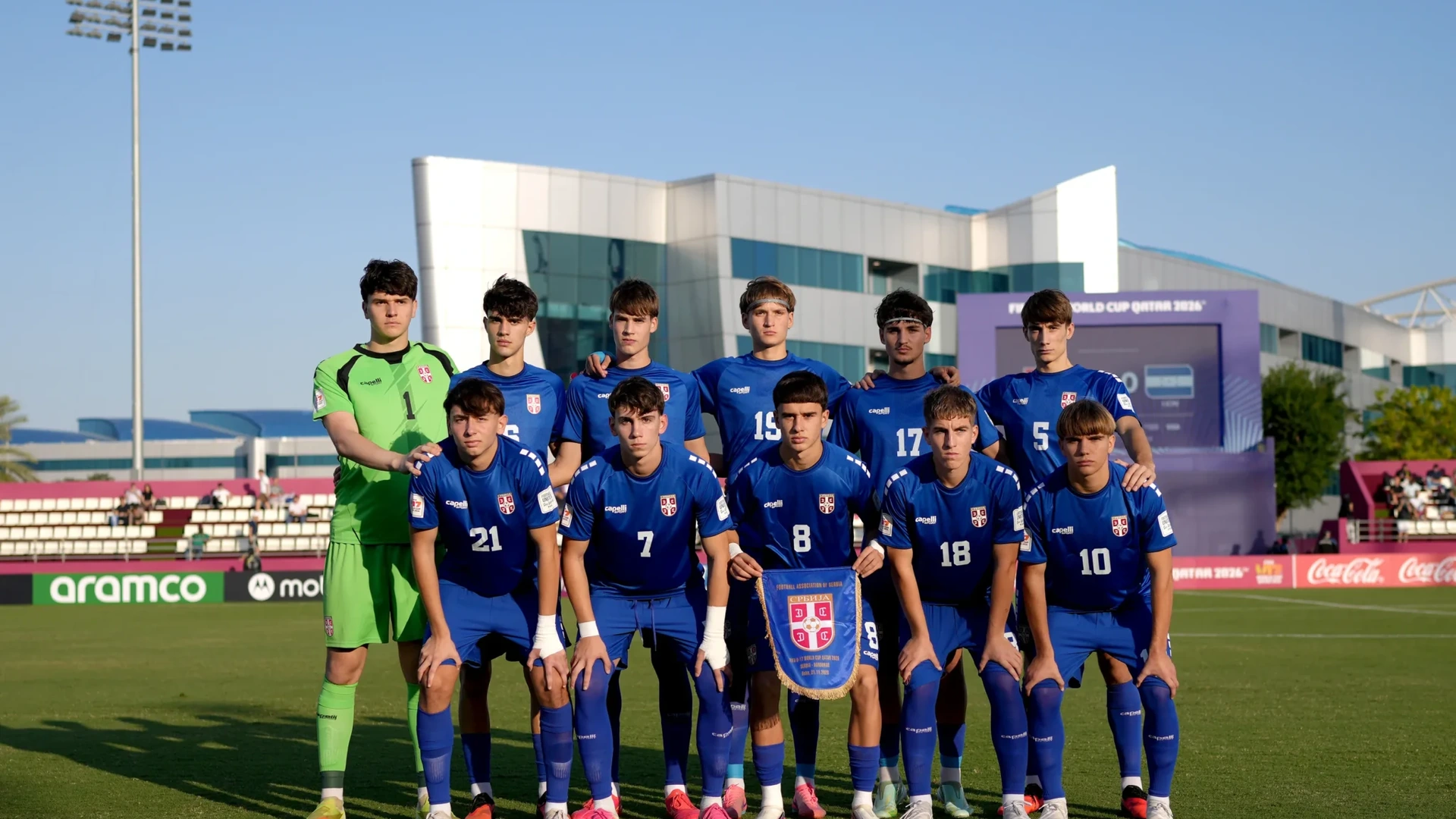
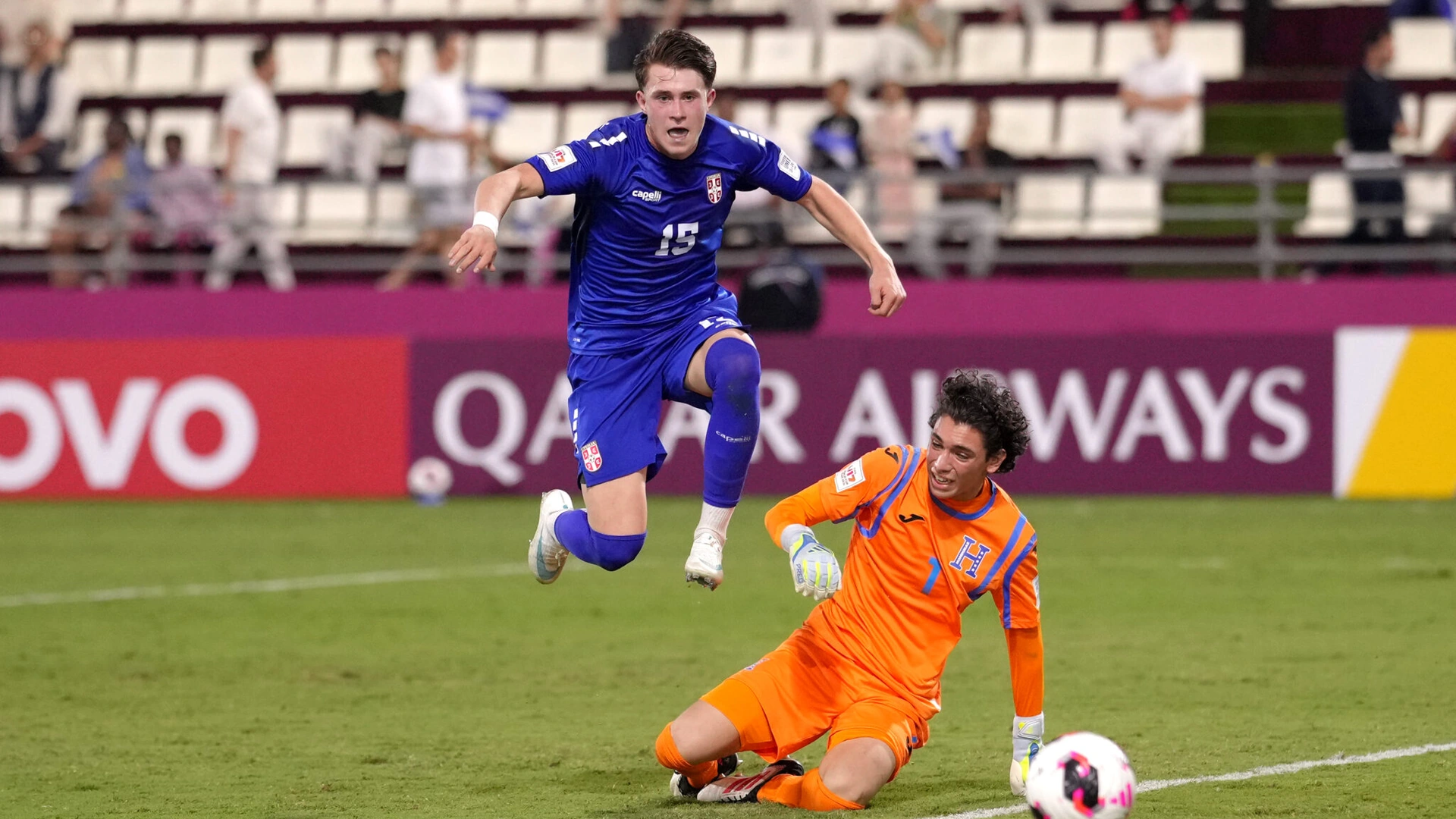
Samardžić opened the scoring in the 23rd minute, finishing a move from inside the penalty area with a precise strike. He doubled the lead in the 63rd minute, which removed most of the uncertainty. Honduras tried to up the tempo after the break, but the Serbian defence did not allow them back into the contest.
Control without needless risk
Serbia were more patient than in the opening round. The midfield did not force passes through tight lanes, and the full-backs picked their moments to push forward. That approach cut down on dangerous turnovers and helped the side keep a good shape for long spells. It mattered especially that no goal was conceded during the period when Honduras increased the pressure.
The win was secured without a chase for a third goal. Once 2:0 up, Serbia closed the central areas and steered their opponents towards the flanks, where the defenders had clear support. Matić used his substitutions to preserve rhythm and energy rather than to change the core idea. For a young side, it was a calm finish to the match.
The Austria game will decide progression
Serbia face Austria in the final round of the group stage. Before the tournament, it was clear that six points would almost certainly take them through, while four leave the outcome dependent on other results. After beating Honduras, the simplest route is now clear: another win would remove most of the uncertainty.
Austria are a physically stronger and more organised opponent, so Serbia will need to repeat the discipline of the second round and be more accurate in the first phase of attack. Samardžić’s two goals are the most visible part of the win, but more important is that the whole squad responded after a poor start to the tournament. That response gives them a solid base for the decisive match.
For this generation, the result in Qatar is not the only measure. How players react under pressure, protect a lead and share responsibility matters just as much for their development. Against Honduras, Serbia showed progress in all three areas, and now they must confirm it against a higher-calibre rival.
Before the Austria game, the coaching staff will look closely at how the side plays out from pressure. Honduras did not always punish slow passing, but the next opponent will close down the goalkeeper and centre-backs more quickly. Serbia must therefore prepare both a short combination and a safe long ball, without insisting on one solution when the conditions on the pitch call for another.