
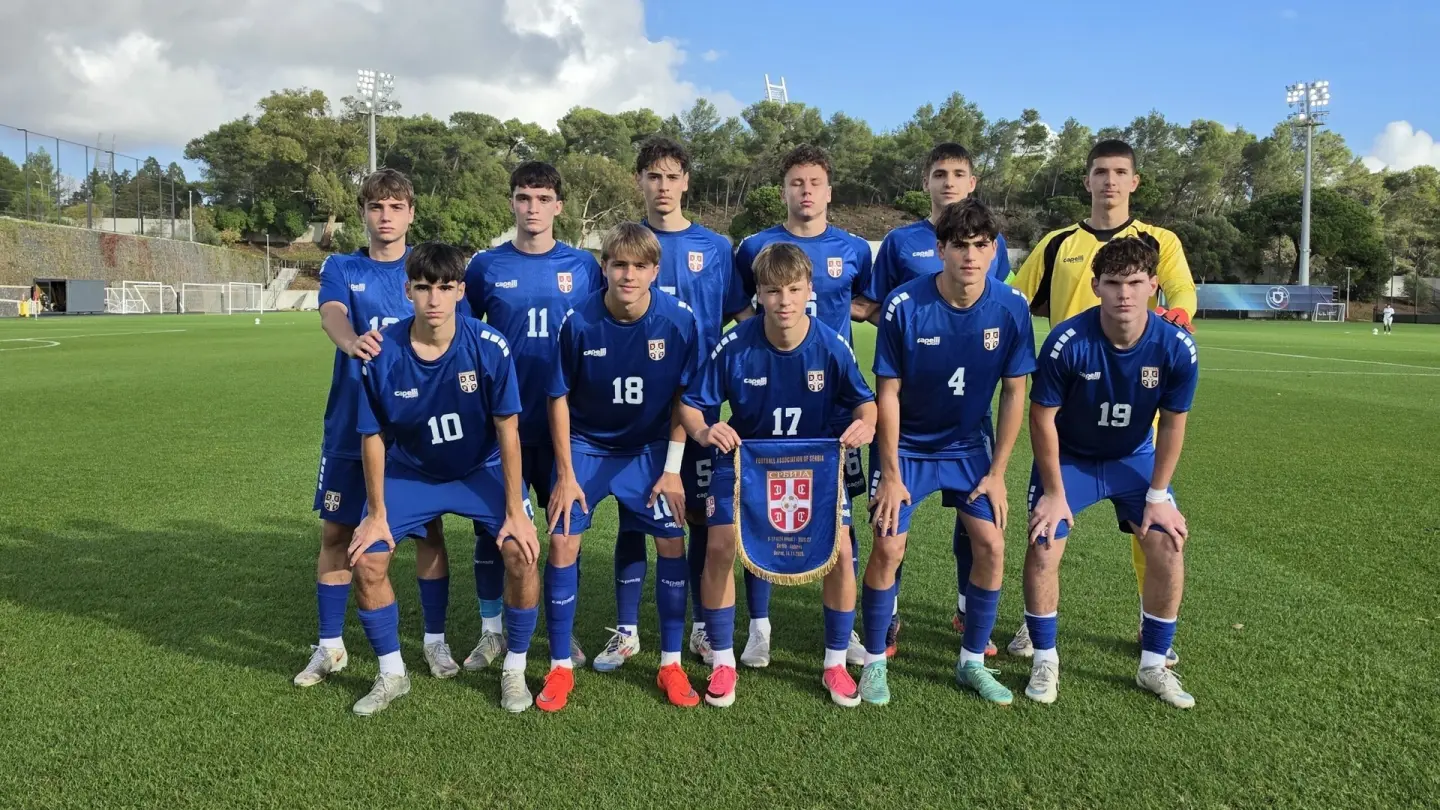
Serbia reached the decisive game on the back of wins over Bulgaria and Andorra. Those two matches asked for different things: against Bulgaria the side had to keep control in a physical contest, while against Andorra they had to break down a deep block and stay disciplined through long spells of possession.
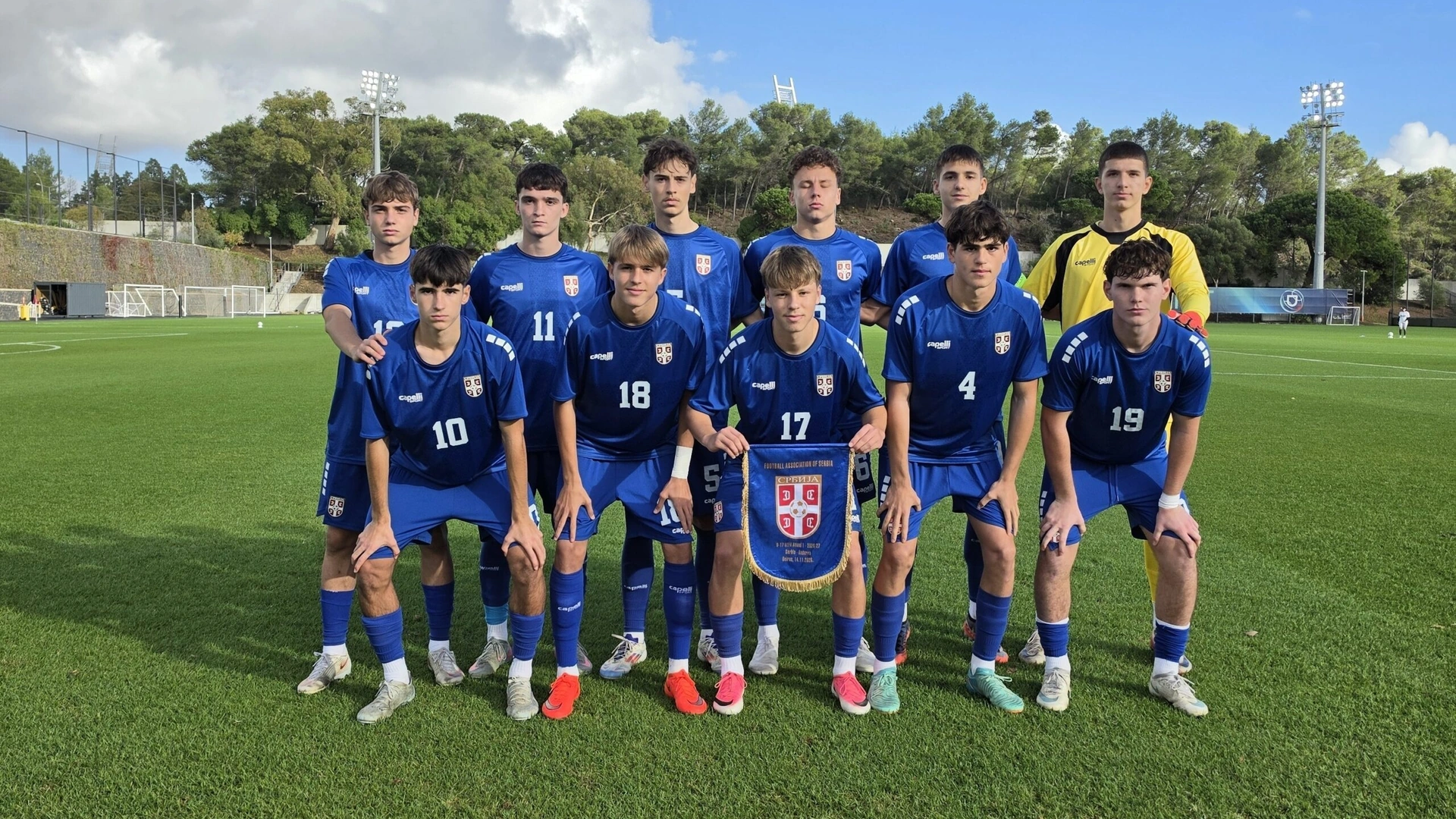
The meeting with Portugal is scheduled for 17 November and will settle the final order in the group. Both teams already know they will continue in the qualifiers, so the result is not a matter of survival, but top spot could bring a better starting position and, just as important, extra confidence for a young side.
Portugal present a different challenge
Unlike previous opponents, Portugal are likely to try to take the ball and press high. Serbia’s centre-backs and central midfielders must therefore quickly recognise when a short pass can play them out, and when it is safer to use a longer ball to find space behind the opposing full-backs.
Without the ball, the distance between the lines will be decisive. If the defence sits too deep, Portugal will have enough time to combine around the penalty area. If the lines push up without a collective press, space will open up for runs in behind. Serbia must therefore move as one unit and not allow a single lost duel to create an open chance straight away.
The result is not the only measure
Youth football is about development, so the coaches will pay close attention to how the team handles difficult moments. A clean exit under pressure, a calm response after conceding, or the ability to protect a lead will say more about progress than possession statistics ever could.
Two wins have given Serbia the right to enter the last match without fear, but not without responsibility. Portugal are an opponent who punishes slow decisions and imprecise passing. That is exactly why this game is a useful gauge of how ready this generation is for the next round, where every mistake will carry an even higher price.
Particular attention will be on decisions after winning the ball. Against a weaker opponent it is easy to keep possession, but Portugal close down the nearest passing option quickly. Serbian players must know where the next pass is before they receive the ball, and send it back to the goalkeeper when there is no safe option ahead. That avoids losing possession in a zone from which Portugal can finish an attack within seconds.
The coaches can also use the match to assess players who have had less game time. Changes must keep the balance intact, because the aim is to judge individuals within a stable team framework.