
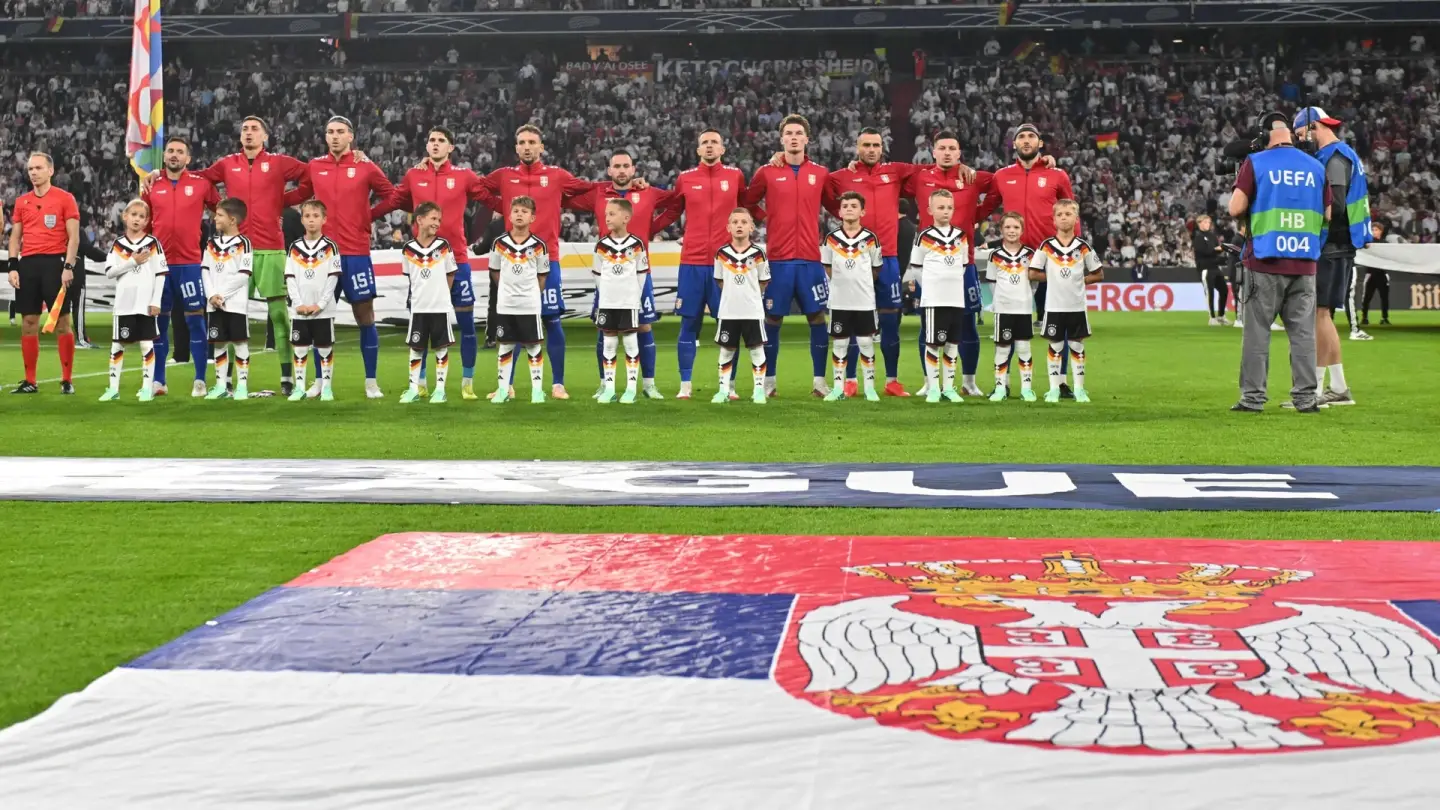
A fixed schedule protects training time
The national team window is short, so every change to the plan takes something away from preparation. A training slot and press commitments fixed in advance let the coaching staff spend most of the day on recovery and tactics.
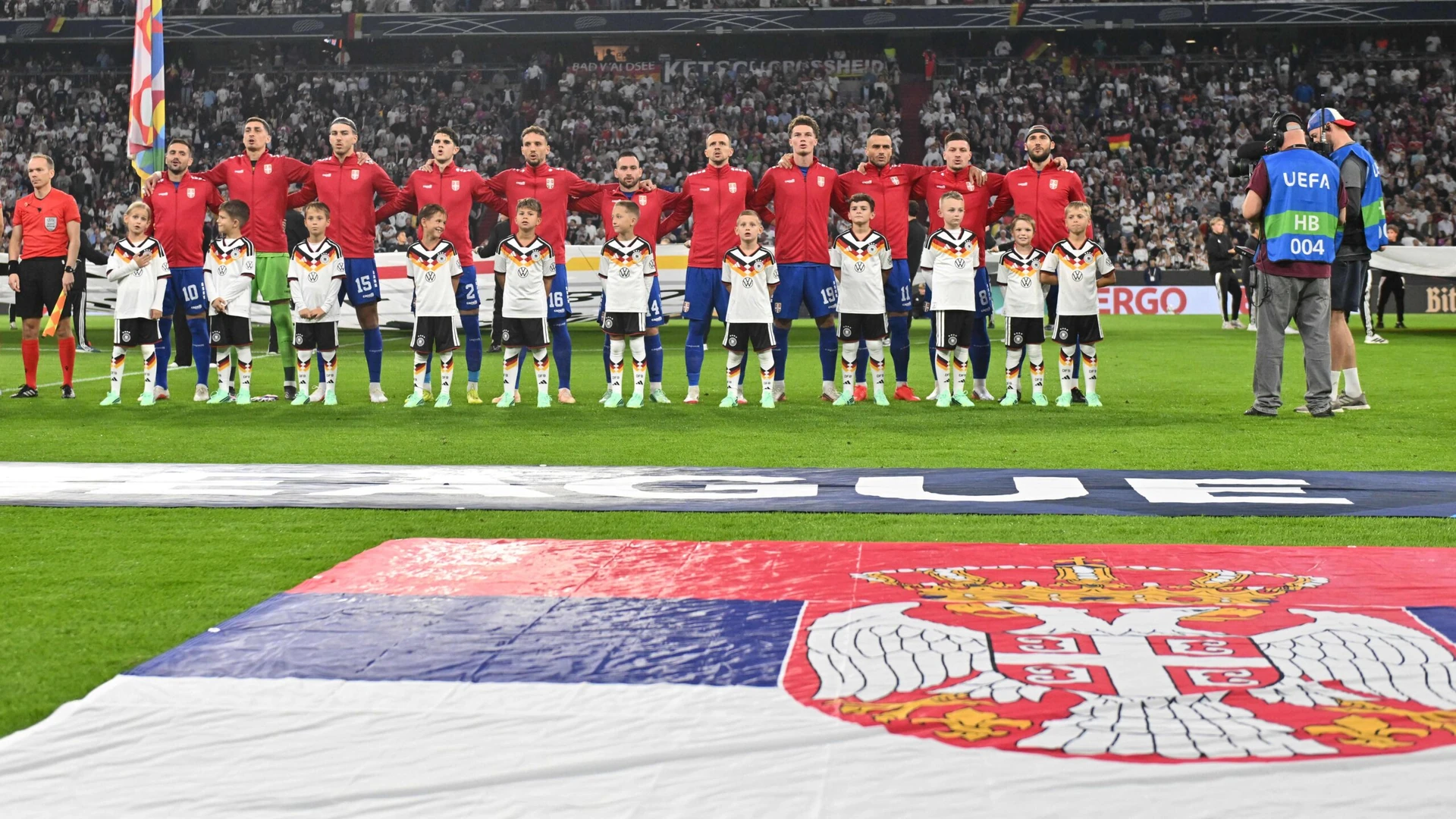
The players arrive from clubs where minutes played and workloads vary widely. That is why the first session has to show who can go at full intensity straight away and who needs a lighter programme.
Germany demands discipline without the ball
Serbia will have to stop passes through the middle while keeping their width. If a winger tucks in too early, the opponent gets a free flank; if he stays too wide, the midfielder gets too much time to pick a pass.
The match is set for 13 November at 20.45. Until then, the coach must decide how the side breaks out of pressing and who reacts first after losing the ball.
Home support helps only with composure
The crowd will want a fiery start, but Serbia cannot leave space between the centre-backs and the midfield line. Smart pressing means every player moves at the same moment.
Preparing for Germany is therefore not only about picking the starting XI. The agreed signals, clear roles at set pieces and the team’s ability to change tempo without losing shape matter more.
Through open training sessions and media duties, the coaching staff will have to protect enough private time for the details that cannot be rehearsed in front of cameras.