
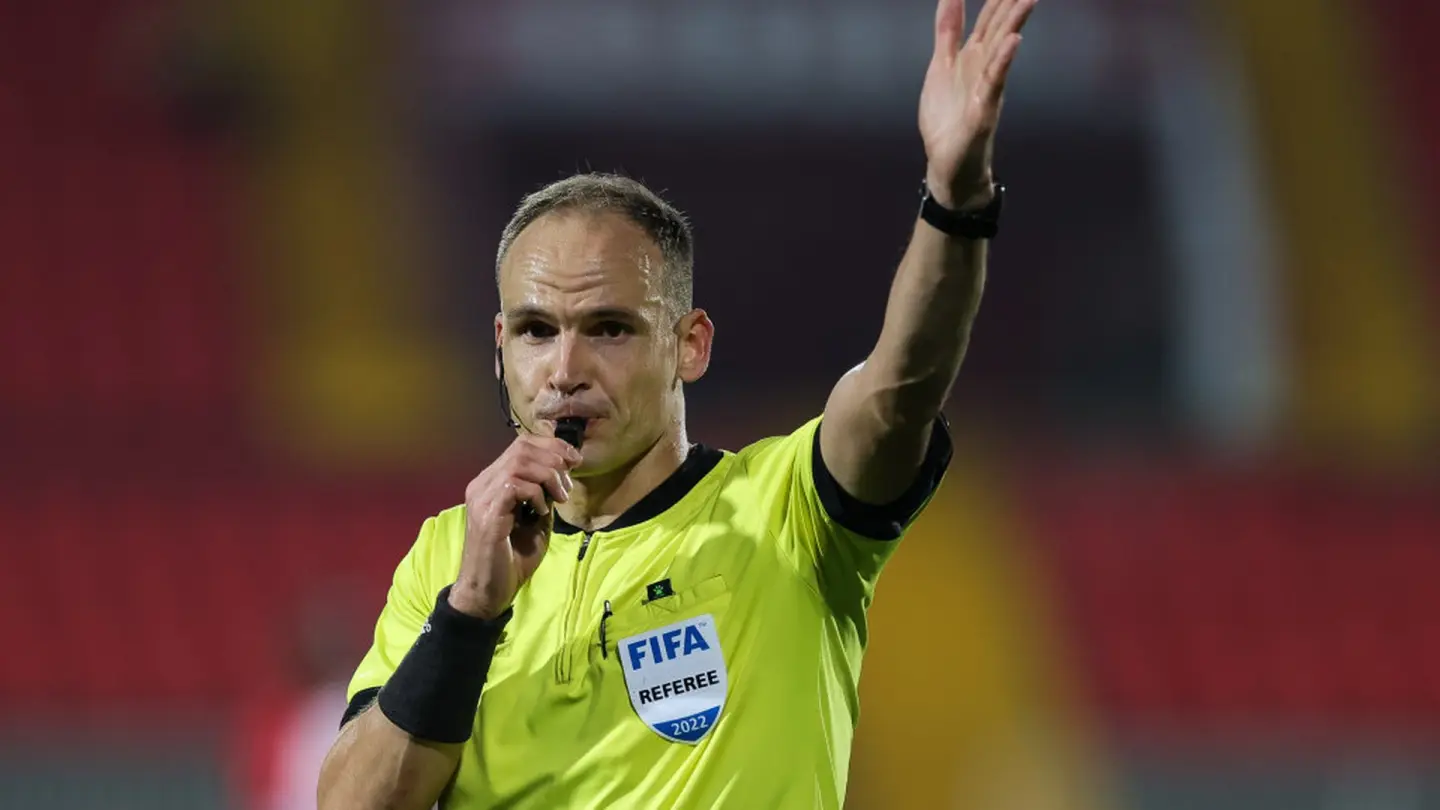
Fresh appointments confirm Serbian referees remain involved in international competition as the November round of national-team fixtures draws to a close. The roles of head referee and observer differ, but both demand thorough preparation, precise communication and consistent application of standards.
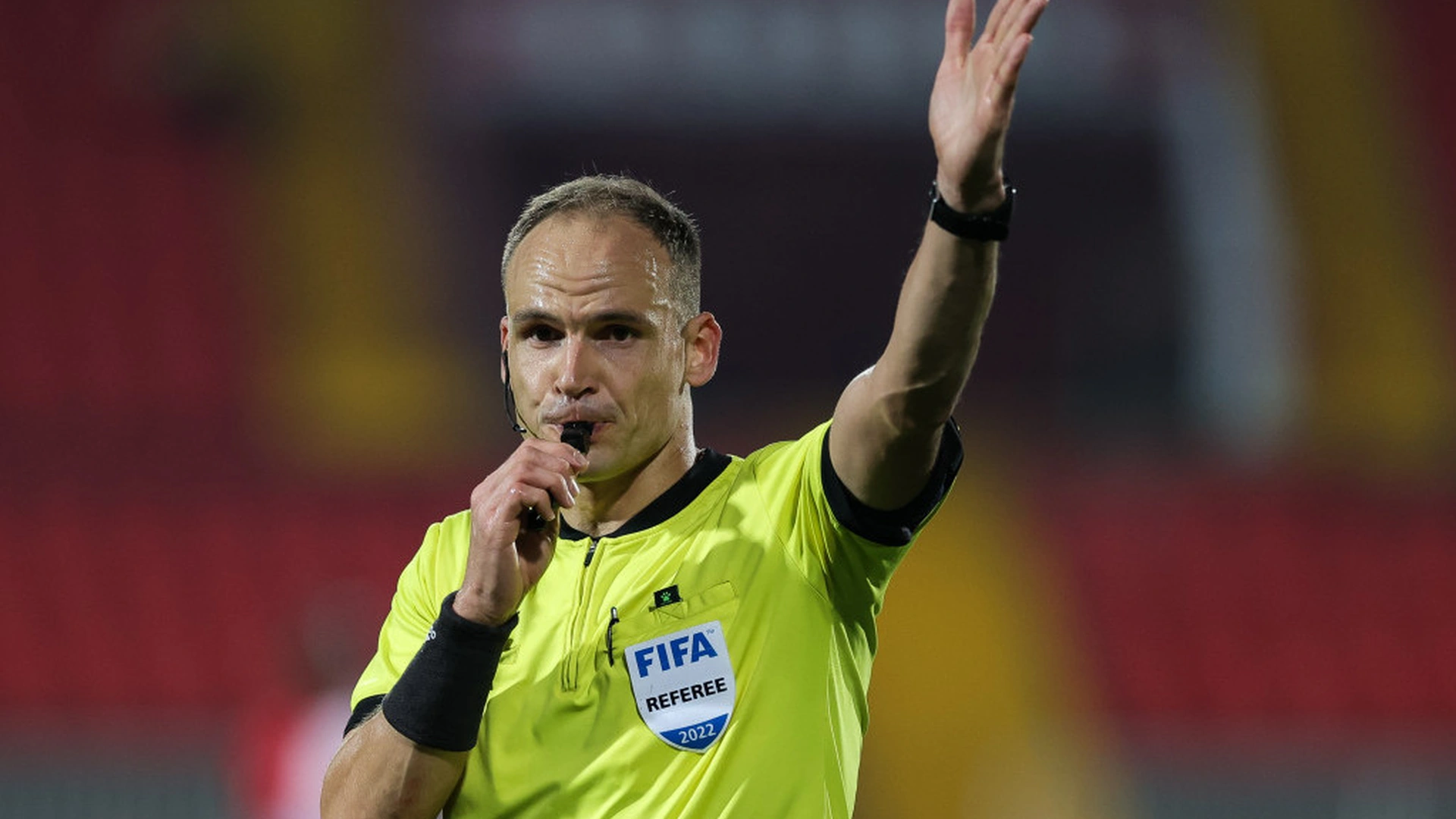
The Football Association of Serbia announced the appointments on 16 November. Minaković will take charge of the match in Tallinn with his assistants, while Đokić is due in Reykjavik to assess the refereeing team and produce a report covering key decisions, match control and cooperation between the referee and assistant referees.
Preparation starts long before the first whistle
Ahead of the game, the officiating team analyses the style of both sides, how corners and free kicks are taken, and the situations where challenges most often occur. The aim is not to prejudge decisions but to ensure referees are correctly positioned when play speeds up. Good positioning reduces guesswork and makes communication with assistants easier.
Modern refereeing also involves working smoothly with video officials when technology is available. The referee, however, retains responsibility for on-field standards: the permitted intensity of contact, disciplinary measures and the tempo of restarts. Consistency matters especially in matches where tension grows with every minute.
The observer assesses the whole process
An observer’s job is not limited to a few contentious clips. Movement, preventive communication, decisions to play on after fouls, managing protests and teamwork are all analysed. The report should show what was done well and where there is room for improvement, so the role directly influences referee development and future appointments.
These assignments carry wider significance for Serbian refereeing. Regular trust on the international stage builds experience that feeds back into domestic competitions. Every steadily managed match increases the chance of Serbian officials getting tougher games, while quality observer work helps keep assessments clear and consistent.
Post-match analysis is a key part of professional standards. The refereeing team reviews crucial situations again, compares decisions with footage and notes moments when positioning could have been better. Such work is not an admission of error but a way to repeat good habits. International appointments give Serbian officials the chance to measure their own standards against European guidelines and later pass that experience on to colleagues.
A successful performance also depends on physical preparation. A referee must stay close to play in the closing stages, when tiredness increases the number of challenges and the speed of changes in direction. Good fitness then directly helps the accuracy of decisions.