
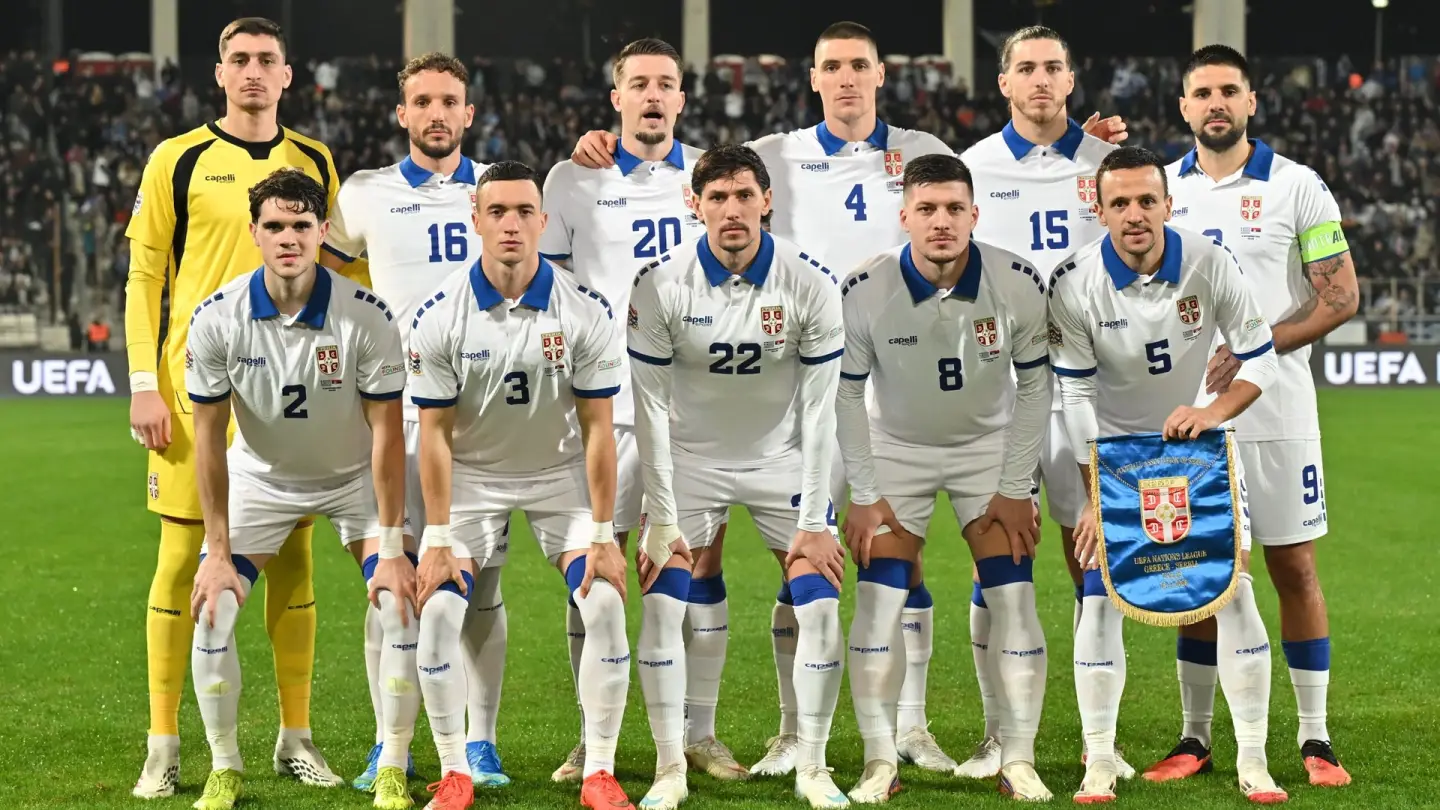
The game stayed open for long spells, but the home side made better use of the period when the tempo picked up. Serbia had moments of steady possession and a few promising moves started from their own half, yet the final pass and the reaction inside the box were not precise enough to alter the course of the evening.
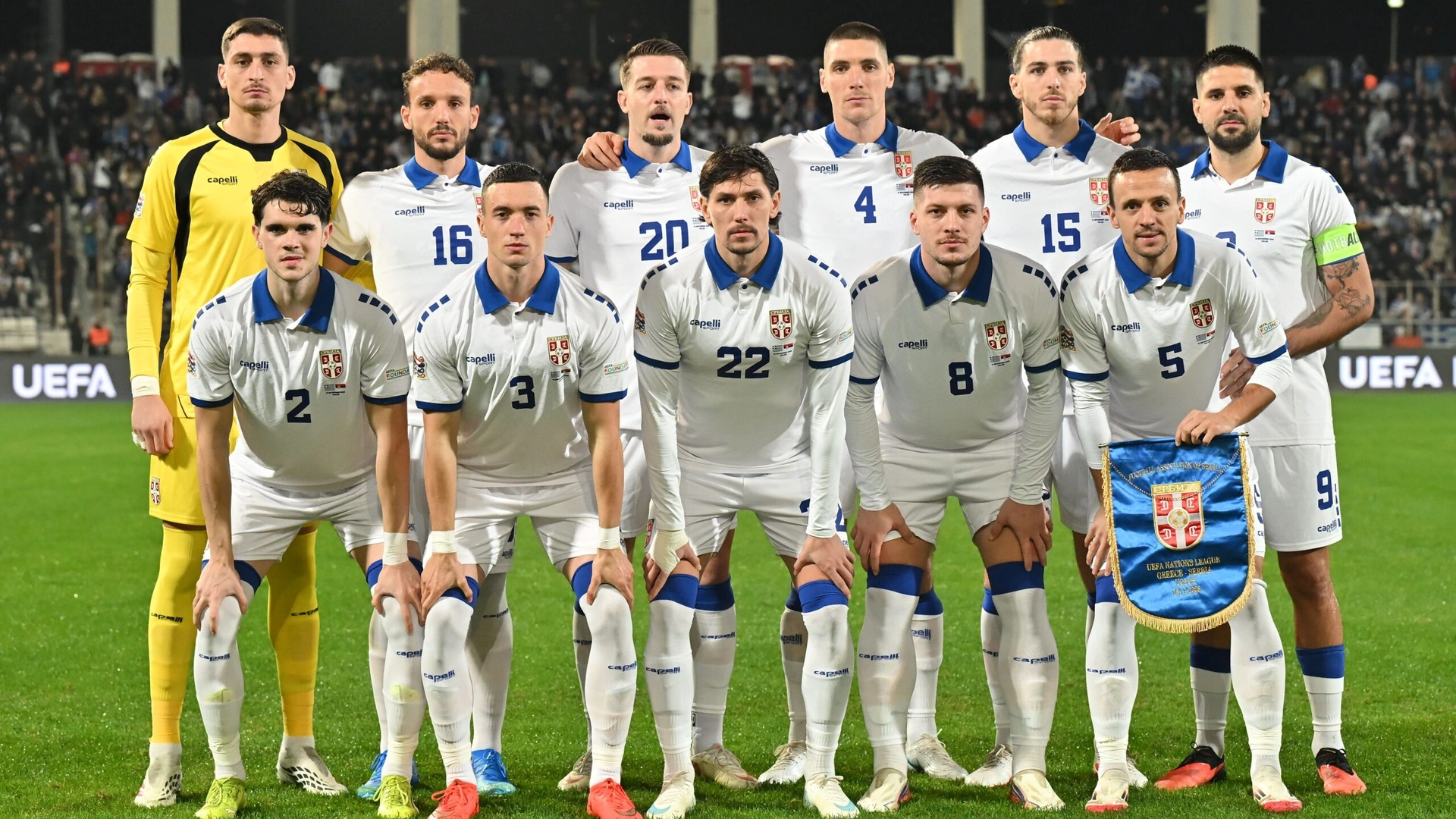
The match was played on 16 November in Volos, in the final round of the group stage. Greece held on to their lead with a narrow victory, while the Serbian team were left without a result that would have kept them away from the additional matches for survival in the elite group.
Little space, even fewer clear chances
Greece defended compactly and forced Serbia’s attacks out wide. When the ball entered the final third, the home midfield dropped quickly behind it, so crosses often came from unfavourable positions. Serbia therefore found it hard to get shots away from central areas, where they could have threatened the goal most.
At the other end, the hosts did not push many players forward. Greece waited for a chance to attack more directly and tried to exploit the space behind Serbia’s full-backs. That approach did not create many openings, but it was enough for the decisive goal and control of the closing stages.
Play-off is the next test
Serbia now begin preparations for the additional survival matches, where every detail will carry greater weight. The team must improve their off-the-ball movement in the final third, because possession alone did not produce enough good chances. Just as important is the reaction after losing the ball: against a side that transitions quickly, a few seconds of disorganisation can decide a two-legged tie.
The result in Volos is not the end of the competitive story, but it clearly shows where improvement is needed. In the additional matches Serbia will have to combine patience in building attacks with greater decisiveness in front of goal. Survival in the top tier is still achievable, but there is no more room for matches in which a good spell of play ends without a tangible outcome.
The analysis will also cover corners and free kicks, because such situations often decide tight matches. Serbia have tall players and quality set-piece takers, but the movement must free up a shooting zone instead of everyone gathering in the same spot. In defence it is equally important who wins the second ball and prevents another cross. Those details do not change the team’s basic style, but they can turn a close match into a result that preserves a place in the elite.
Until those matches, it will be important for the players to keep a good rhythm at their clubs. The national team coach will not have many joint training sessions, so the basic solutions must be clear before the squad meets up.