
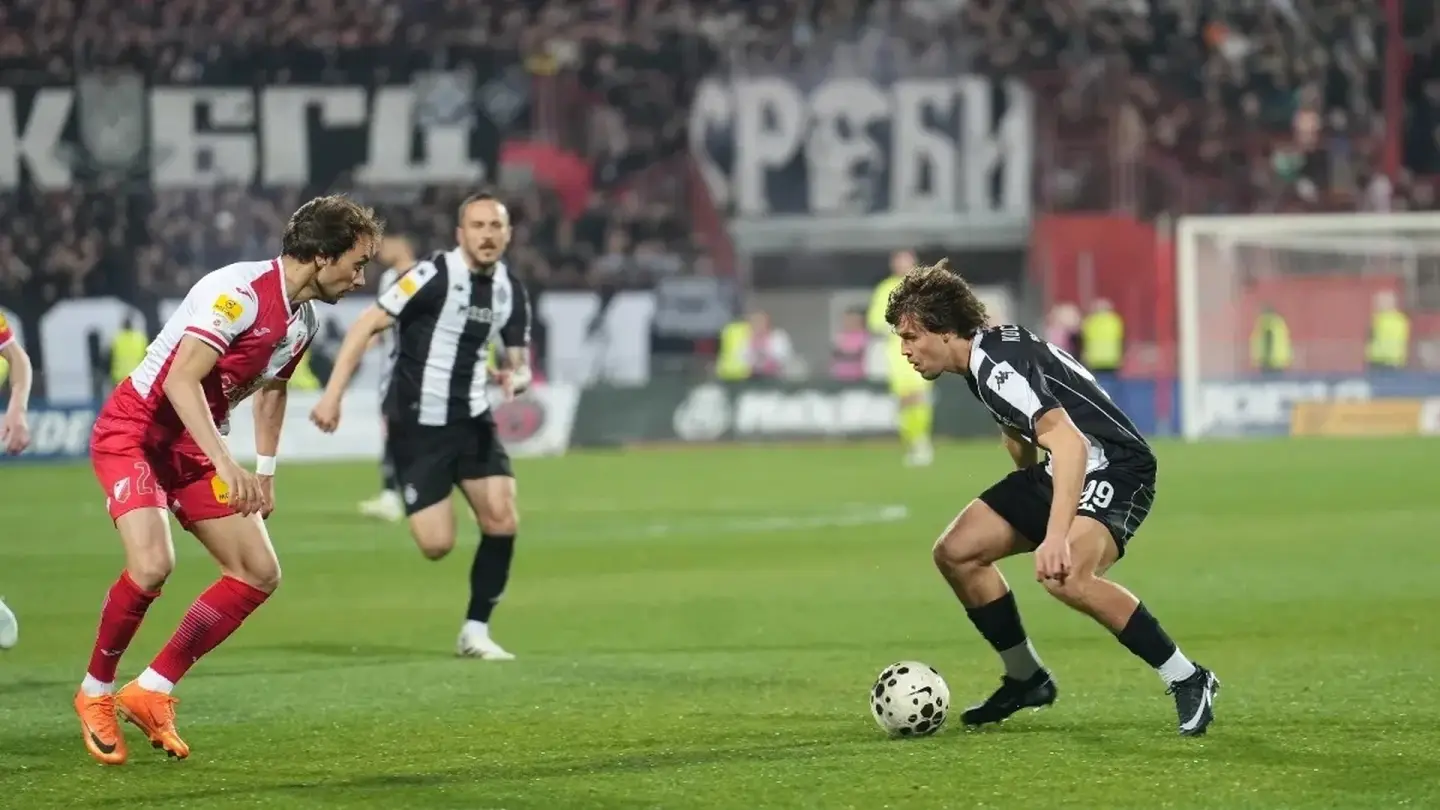
In the cup, a gap in status can vanish quickly if the favourite fails to set the pace. Lower-tier sides can build a plan around a compact shape, interruptions and the energy of a home crowd, while top-flight teams need patience without slowing the game so much that their opponent gains confidence.
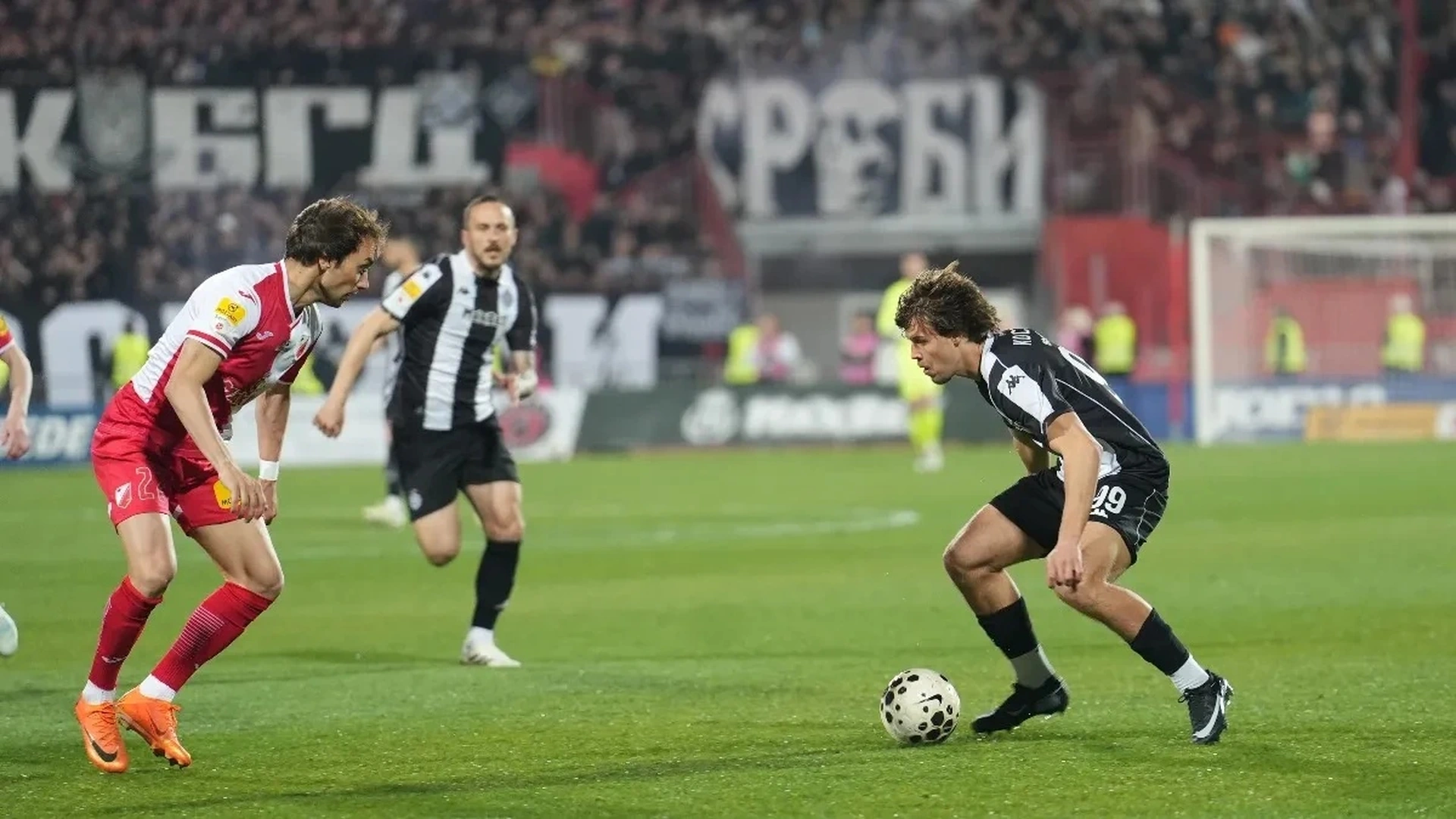
The postponed fixtures are set for 18 November. Tekstilac face Železničar in Odžaci from 13.00, Dubočica 1923 host Radnički from Niš in Leskovac from 16.00, and Zemun and Radnički 1923 meet in Ub from 18.30. Each tie will decide one team that goes through to the next round.
An early kick-off demands a quick adjustment
Tekstilac and Železničar open the programme at a time that disrupts players’ usual daily routine. The first fifteen minutes could therefore be especially important. The hosts will want to make the game physically demanding and draw the crowd in early, while the visitors will try to control the ball and avoid needless stoppages close to their own penalty area.
In Leskovac, Dubočica have the chance to test how well they can hold their shape against Radnički from Niš when the rivals push their lines up. The Niš side have more experience of high-tempo matches, but the cup punishes every lapse. One stoppage or a loose ball can change the whole plan.
Zemun and Radnički 1923 close the day
The evening tie is played in Ub, so both sides must adapt to a more neutral setting. Radnički 1923 go in carrying the responsibility of favourites, while Zemun may look for their chance through compactness and direct counters after winning the ball. Control of the midfield will be crucial, since losing possession there immediately opens space for a quick attack.
Coaches in the cup often rotate part of their squad, but the depth of a side must not disturb its habits. New players need to know who covers the second ball, who stays behind the attack and how a set piece is defended. If those roles are not clear from the start, the underdog gets exactly the untidy game that suits it best.
Staggered kick-off times will let clubs follow how earlier results unfold, but another team’s surprise does not change the basic task. Each side has to tailor its plan to its own opponent and the conditions on the pitch. On a heavy surface especially, the speed of the passing and the security of the first touch can matter more than a nominal gap in quality.
The three ties tell different stories but carry the same pressure: there is no time to repair a result in a return fixture. Favourites must be serious from the first minute, while hosts and nominally weaker sides must seize on the spells when the game levels up. The cup once again shows that quality is worth most when it is matched by concentration.