
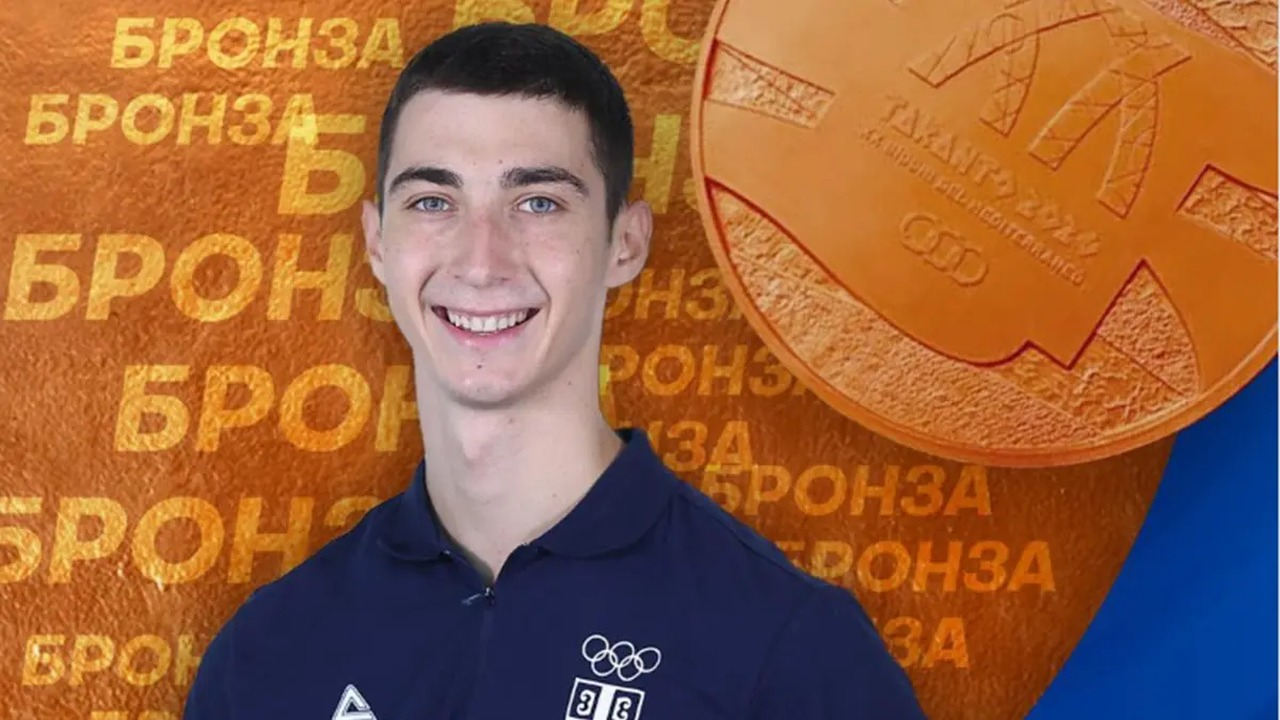
Serbian athletes claimed three medals over the opening weekend of the Mediterranean Games in Taranto. Aleksandar Komarov took gold in wrestling, while Žarko Krajišnik, Viktor Nemeš and the badminton pair of Mihajlo Tomić and Anđela Vitman each won bronze.
Krajišnik takes bronze in the 68 kilogram category
The nineteen-year-old taekwondo fighter beat Spain’s Joan Horkeru in a close quarter-final. The bout went the full three rounds, and Krajišnik won 2:1 to secure a place among the medallists. In the semi-final he met France’s Suleyman Alafilip, lost that contest and finished the event with bronze. It was Serbia’s first medal of the Taranto Games.
The quarter-final win showed how much it matters to stay composed between rounds. When the score is tight there is little room for reckless attacks, so timing and distance count as much as activity.
Komarov wins gold in the 97 kilogram category
Aleksandar Komarov reached the Greco-Roman final after four victories. He then overcame Italy’s Nikoloz Kakhelashvili 3:1 to take the gold medal. Komarov kept his cool against an opponent backed by the home crowd, protected his lead and did not allow Kakhelashvili to change the result in the closing moments.
Viktor Nemeš brought Serbia another wrestling medal. In the bronze medal bout in the 87 kilogram category he defeated Turkey’s Dogan Kaya 7:5.
Tomić and Vitman claim badminton bronze
Mihajlo Tomić and Anđela Vitman won bronze in the mixed doubles. In the semi-final they lost to the Turkish pair of Jasemen Baktaş and Emre Sonmez in two games, 21:12 and 21:13. The Serbian pair secured the medal by reaching the semi-final.
The Turkish pair controlled both games from start to finish, so Tomić and Vitman completed the event in third place.
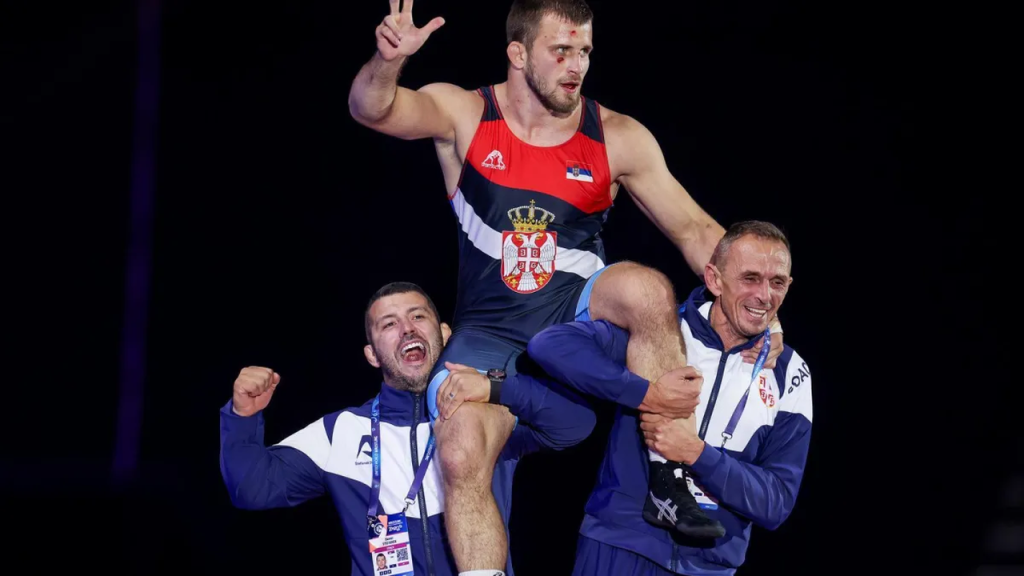
Komarov won gold for Serbia in Taranto.
Mixed doubles depends on constant cooperation between both players. One can guard the front of the court while the other sets up an attack from the back. Clear calls matter, because those roles switch within seconds.
| Athlete | Sport | Medal |
|---|---|---|
| Aleksandar Komarov | Wrestling | Gold, up to 97 kilograms |
| Žarko Krajišnik | Taekwondo | Bronze, up to 68 kilograms |
| Viktor Nemeš | Wrestling | Bronze, up to 87 kilograms |
| Mihajlo Tomić and Anđela Vitman | Badminton | Bronze, mixed doubles |
Serbia wins four medals across three sports
The medals came in taekwondo, wrestling and badminton. Komarov took gold, while Krajišnik, Nemeš and the badminton pair finished with bronze. Each result came through a different competition format. The wrestlers had separate bronze medal bouts, Krajišnik closed out his taekwondo tournament, and Tomić and Vitman earned bronze after reaching the semi-final.
The final results removed the uncertainty that remained after the second day. Serbia ended the opening weekend with one gold and three bronze medals in these disciplines.
Serbian athletes competed in three different sports
Krajišnik had several direct bouts during the day, while Tomić and Vitman had to coordinate every point as a pair. Komarov reached the final through the wrestling draw with four wins. Nemeš took a separate route to bronze in wrestling. Each sport has its own competition system, and recovery also differs from one to the next. A fighter has to manage weight, short breaks and physical contact. A badminton pair has to keep up the pace and communicate well through fast games.
The support staff adjusts its work to each schedule. Komarov then beat his opponent 3:1 in the final. The completed results gave Serbia one gold and three bronze medals in these disciplines. The badminton pair received bronze without a separate third-place match.
Komarov stayed calm in the final and kept his advantage until the end of the bout. Nemeš had a different task in the bronze medal match. He scored enough points and stopped Kaya’s attempt to change the result in the closing moments. Krajišnik secured his medal with a quarter-final win before losing in the semi-final. Tomić and Vitman won bronze by reaching the badminton semi-final. Because the rules differ, it is important to set out the exact path to each medal. The Taranto results give federations concrete material to analyse. Coaches can see how the athletes responded in matches with short breaks and different opponents. The next step is not the same for every sport. Each one needs its own plan for recovery, training and upcoming competitions.
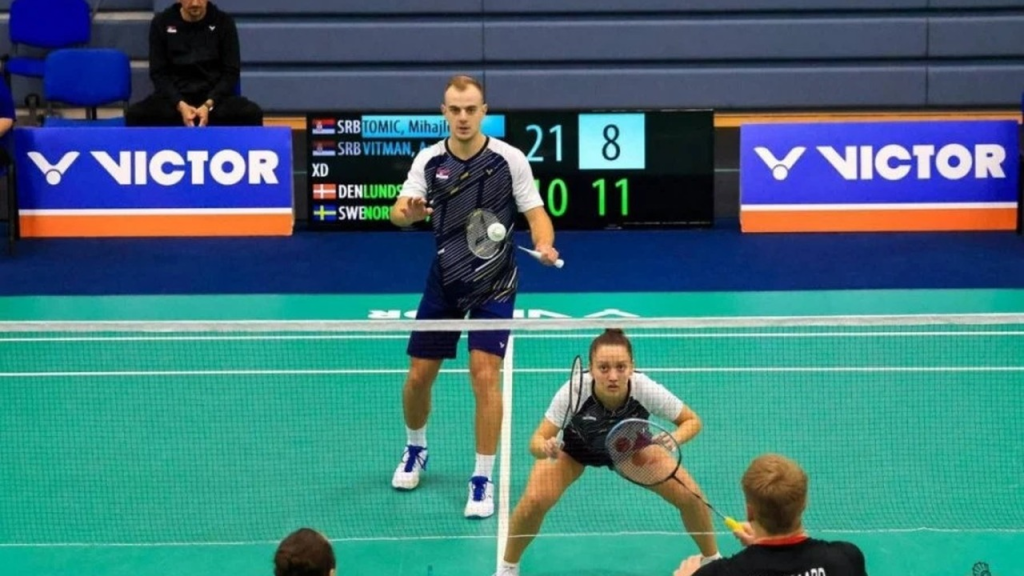
Tomić and Vitman finished the Mediterranean Games with bronze.