
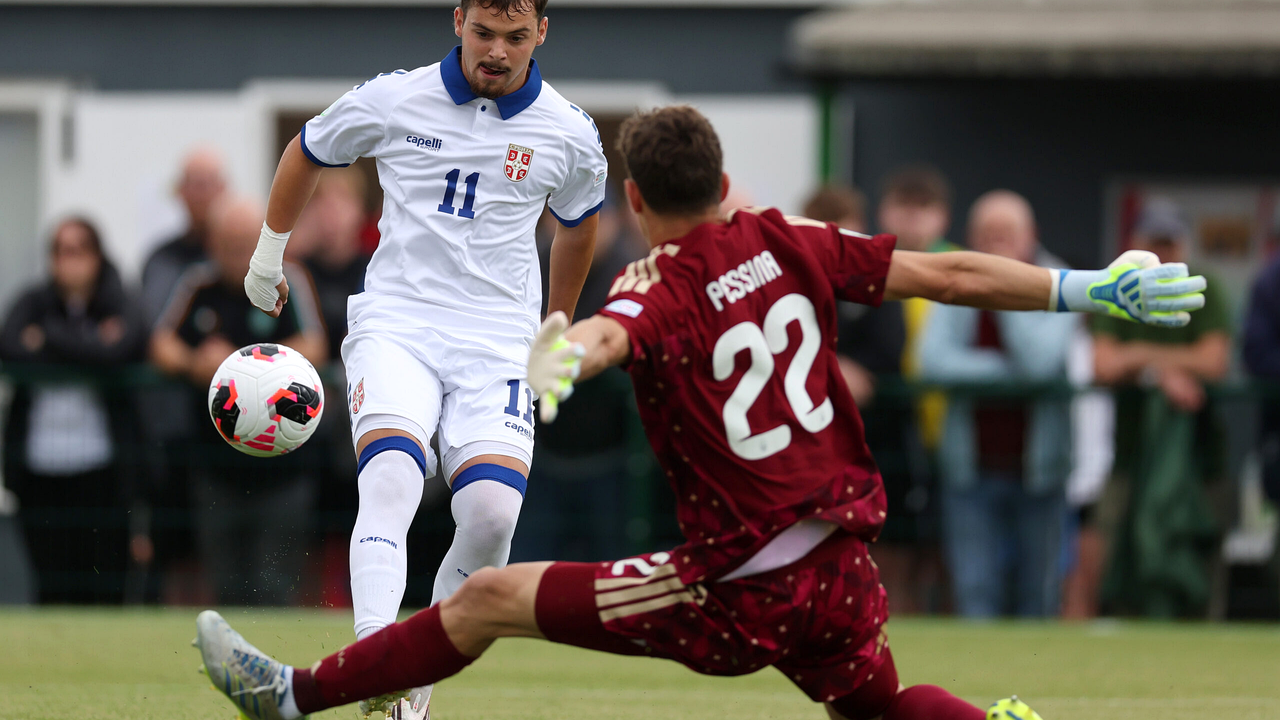
The defeat was decided in four bad minutes
Serbia U19 started their semi-final against Ukraine in a way that could have steered the game towards calmer waters. Ranković scored in the 16th minute, Petrić’s side had the lead and for a short spell they seemed to have the emotions under control. The problem came when that early goal did not turn into a longer stretch of stability.
Khliut brought Ukraine level in the 32nd minute, and four minutes later they struck again. That spell changed the whole match. Serbia did not lose through a gradual fade; they lost through a short window in which two mistakes became a complete turnaround.
The defeat should not be read only through the final score. It is a warning that this young side must close dangerous moments more effectively, particularly when an opponent first lifts the tempo. In junior football such spells are brief, but their consequences last until the end of the tournament.
What the team faces now
| Result | Ukraine beat Serbia 2:1 in the final stage of the UEFA U19 tournament. |
|---|---|
| Serbian goal | Ranković gave Serbia the lead in the 16th minute. |
| Turnaround | Ukraine equalised in the 32nd minute and scored the winner four minutes later. |
| Next match | Serbia play Croatia for third place and for an important psychological response. |
| Main task | Keep composure after the rival’s first push and avoid another collapse in the middle of the half. |
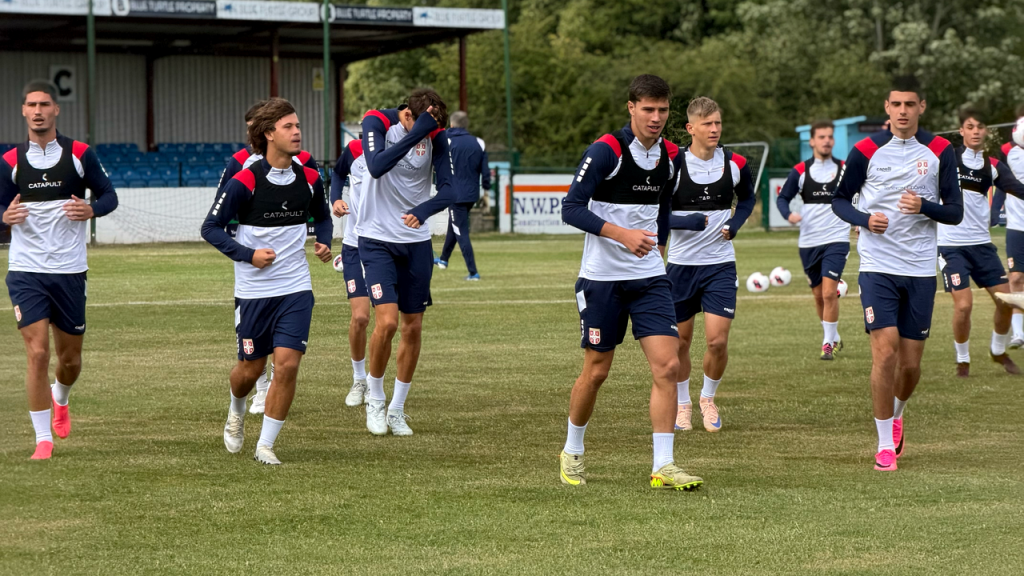
The Croatia game is no longer a footnote
A third-place match often looks like a fixture played in the shadow of the main event, but for Serbia this game carries real weight. The squad must show that the loss to Ukraine does not close the tournament in their minds. Croatia offer a chance to steady the rhythm, protect confidence and keep a clear picture ahead of the Mundialito play-off.
That matters especially for young players. A single knockout defeat can leave a bitter taste if the next competitive task does not come quickly. Petrić does not need a spectacle so much as a response that looks mature: a better start to the duel, less nervousness after a mistake and clearer decisions when the game speeds up.
If Serbia repeat the good first half they showed against Ukraine, but without the same collapse, the result will carry more value than the placing alone. It would show that the group can learn while the tournament is still going.
The midfield must spot danger earlier
The main question for the coaching staff is how the team reacts when an opponent starts winning second balls. Ukraine’s turnaround was not only the result of their finishing; Serbia also failed to slow the tempo down quickly enough over several minutes. Croatia will look for exactly that crack.
The midfield has to keep the distances between the lines tight, and the full-backs cannot stay too far from the centre-backs when possession is lost. If the duel turns into a race of running, Serbia will again have to defend more space than suits them.
Better communication can solve part of the problem. Not every situation calls for high pressure, and not every situation calls for dropping back. Petrić’s side must recognise when to shorten the pitch and when to keep the ball and pass the nerves onto the opponent.
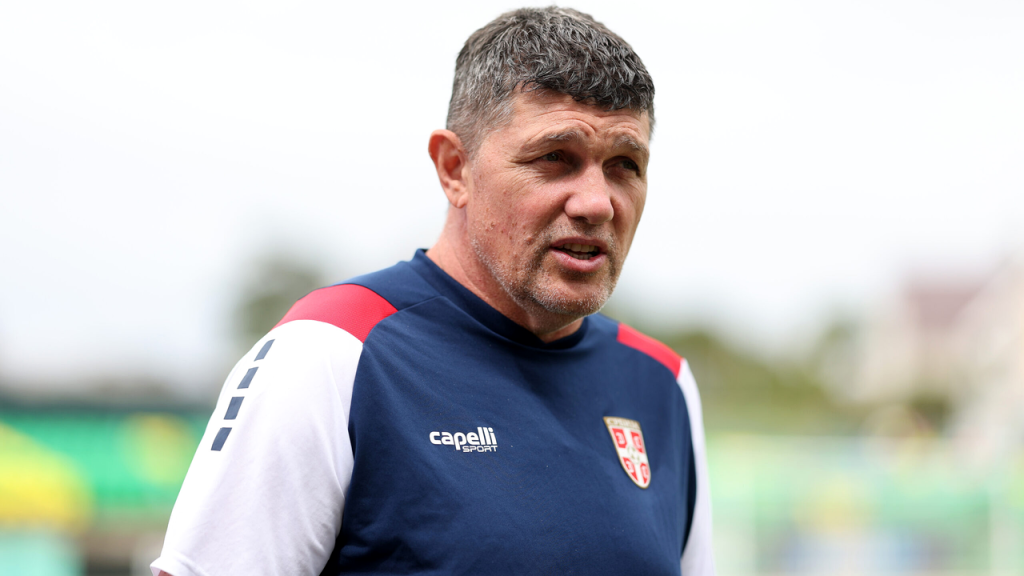
The attack needs a calmer second attempt
Ranković’s goal showed that Serbia have a route into the dangerous zone. Yet after taking the lead there were not enough quality repetitions. The attack must offer more than one good moment: entries from the second line, earlier crosses when a target is present and patience when the opponent closes the first side.
Against Croatia, if a first goal comes, it will again be only a beginning. Serbia must keep attacking through structure rather than through a desire to confirm their advantage as quickly as possible. That kind of hurry often leads to lost balls and open ground for the rival.
The best version of the Serbian attack will be the one that changes pace. Sometimes they should accelerate down the flank, sometimes recycle the ball through the middle, and sometimes force the opponent to defend a longer spell of possession. That choice is the sign of maturity that was missing most after Ukraine’s equaliser.
The response matters as much as the result
Serbia cannot change the four minutes against Ukraine, but they can change how those minutes are remembered. If the Croatia game brings discipline, a steady body language and a smarter answer to pressure, the defeat will remain a lesson rather than a label for the tournament.
Petrić needs a team that does not wait for the next bad detail after a mistake. He needs a side that immediately restores simple decisions: a safe first pass, a clean duel and a recovery run without delay. In that sense, the third-place match is valuable because it tests character straight after a blow.
If Serbia come out of that test calmer, the match against Croatia will be more than a closing obligation. It will be proof that this generation has more than talent, namely the ability to turn a defeat into the next step.
That is the most honest way to close the painful Ukrainian night and preserve the value of the tournament.