
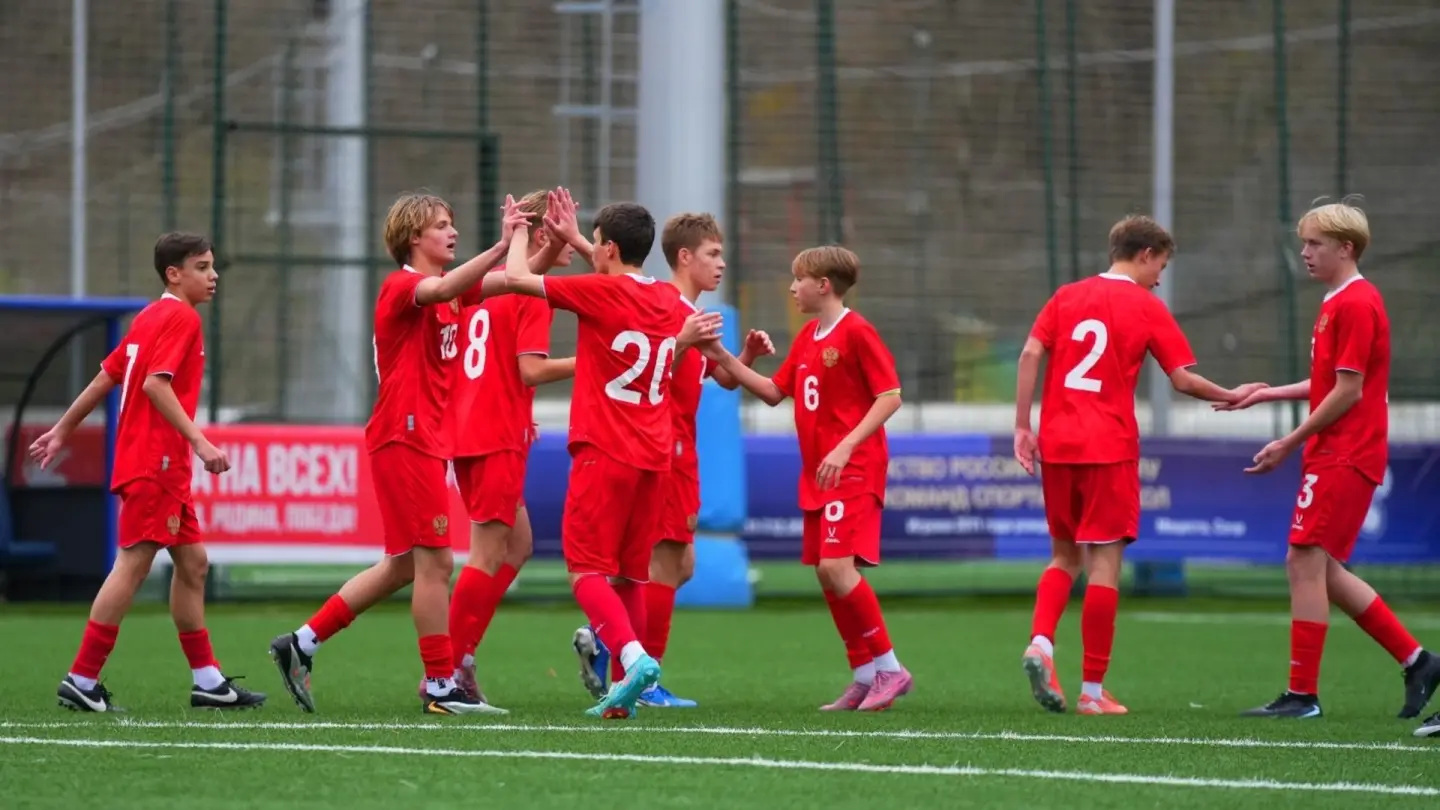
Serbia’s young side led against Russia after Rade Vulić curled a free kick into the top corner, yet the match finished with a 3:1 defeat for the hosts. Russia shifted the game after the interval through substitute Hetag Bakaev, who netted all three of his team’s goals. The opening result sets Serbia a clear developmental task ahead of its clashes with the other sides: hold on to the confidence and compact shape from the first half, but react faster when the rival makes changes and steps up the pressure.
Vulić gave Serbia deserved advantage
The first goal came from a set piece taken from distance. Vulić’s effort dipped into the top corner, rewarding Serbia for a first half in which it never let Russia control the match. A development tournament should not be judged by the final score alone. The strike showed technical composure, and the lead at half-time showed the side’s shape could withstand an opponent trying to move the ball forward. Those are useful foundations for the rest of the competition.
Holding a lead also brings a new test. Young players must decide when to keep attacking, when to slow things down and how to defend without retreating deep into their own half. Serbia went into the break ahead, but a different opponent emerged after it. Russia made good use of its changes, and Bakaev gave the attack a clear finishing touch. The main problem was that Serbia did not recognise that change quickly enough.
One substitute changed the questions
Bakaev first scored by redirecting a teammate’s shot. His second came from inside the penalty area, and his third after he broke away from his marker and placed the ball into the far corner. The moves were not the same, although one player finished them all. Serbia therefore had to solve several problems: defending the second ball after a shot, protecting the midfield zone, and tracking attackers who run across the line.
The lesson is shared and should not be turned into the blame of a single defender. When pressure builds, the nearest player must challenge the ball, the next player must cover the dangerous space, and the rest of the line must shift together. A small delay between those jobs is enough for a quality striker. Development football exists to expose such details in a real match and then offer a fresh chance to correct them.
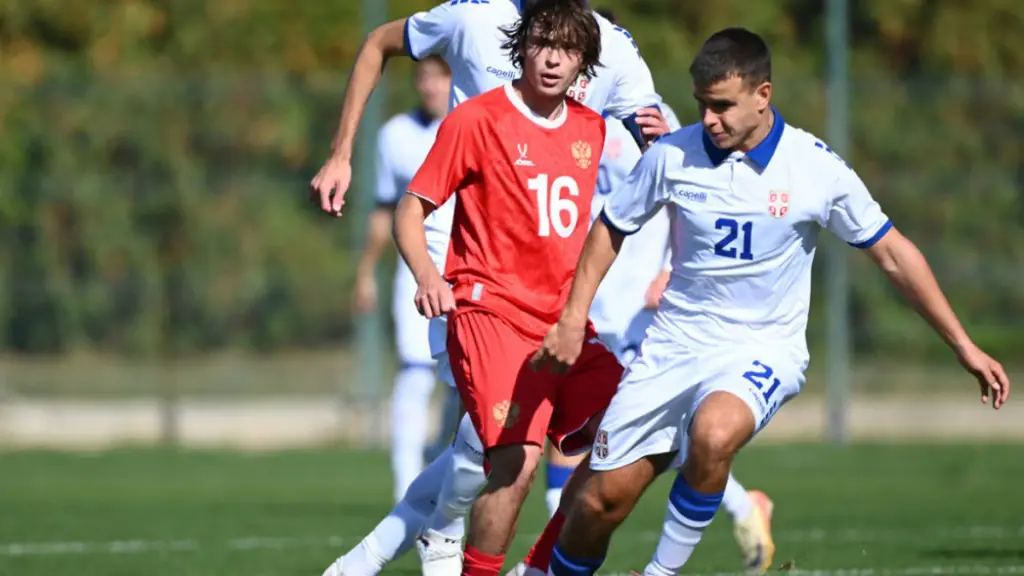
The response has to start with the ball
Better defending does not mean Serbia should abandon what gave it the lead. Keeping possession after winning the ball would reduce the repeated waves of pressure and move the game away from its own goal. The first pass does not always need to create a chance. It can help the midfield reset the shape and force the opponent to turn. Such calm choices matter most after conceding, when a young side is quick to rush for an answer.
Serbia should keep the threat from set pieces and quick transitions. Vulić’s goal will make future opponents respect his shooting and may open a second option from free kicks. Even so, the whole tournament cannot depend on repeating one outstanding moment. The next step is creating chances through combinations, support on the flanks and runs beyond the ball, so the team has more than one route to goal.
The development tournament offers a fresh opportunity straight away
Kazakhstan and Türkiye also take part, so Serbia will meet opponents with different habits. That variety is the point of the event. Coaches can compare how players respond to physical pressure, direct attacks and changes of tempo. A call-up at this age is not a final verdict on a career. It is a chance to see how individual ability works within a team once a match moves away from the original plan.
The defeat should therefore be recorded honestly, but it must not become the only description of Serbia’s first outing. The side deservedly took the lead and held it until the break. It then conceded three times to the same substitute and did not regain control. Both parts matter. A good response would keep the courage of the opening, improve the agreements after the interval and show that players can treat a difficult half as a lesson rather than a source of fear.
It is also important for coaches to share responsibility. Forwards can slow a fresh opposition attack, the midfield must offer an exit after winning the ball, and defenders should speak earlier when an opponent arrives from a second line. When every unit understands its first job, the reaction becomes quick and simple. The next match is an opportunity to see that connection without giving up attacking courage.