
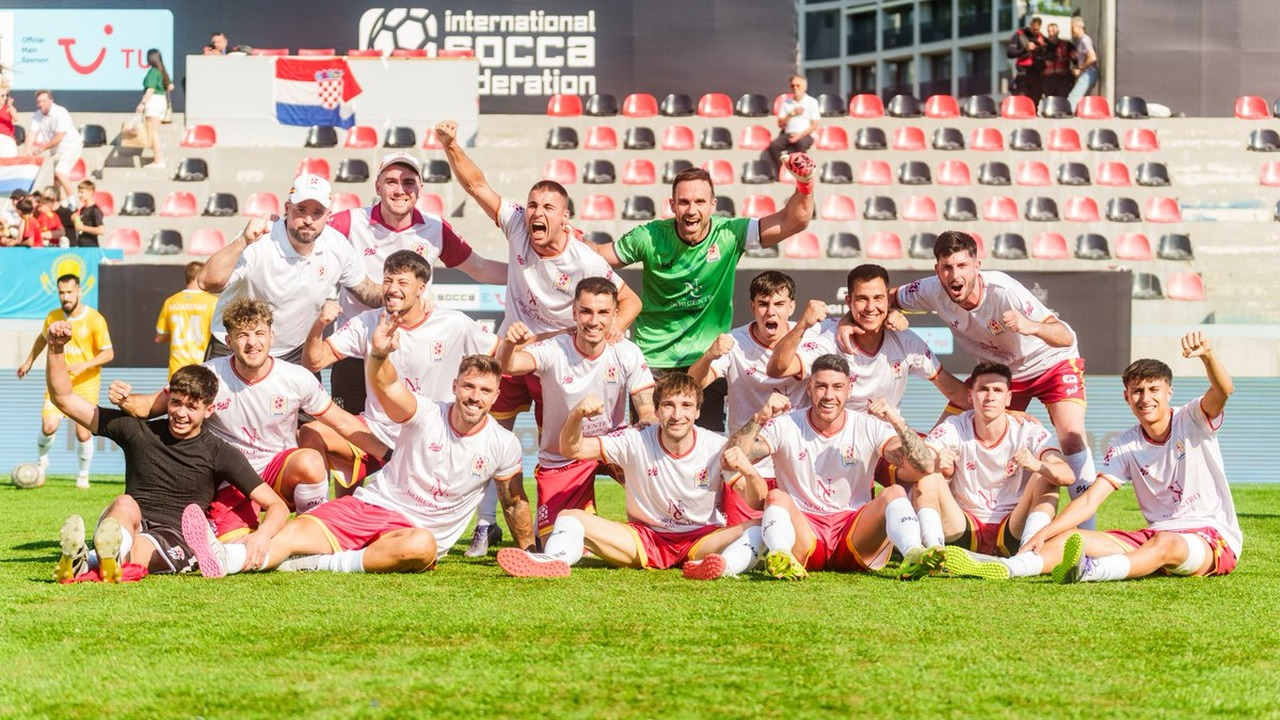
Serbia’s socca team is preparing for the World Championship in Essen. The tournament in Germany follows a bronze medal at the European Championship, giving the squad another major international test in the same year.
Socca is played on an artificial turf pitch measuring 50 by 30 metres. Each side fields five outfield players and one goalkeeper. The smaller pitch brings frequent changes of possession and plenty of direct one-on-one contests.
European bronze raised expectations
Serbia reached the European Championship final stages and claimed third place. The result showed the squad can hold its form across a full international tournament, and it has drawn more attention ahead of the trip to Germany. A medal, however, does not guarantee another strong finish. The World Championship brings together teams with different styles and experience, so Serbia will have to build its result again from the first group match.
Head coach Igor Jelić has worked on selecting the squad and preparing for the matches. Jelena Stanković is also part of the coaching staff. Their responsibilities cover selection, organisation and support for the players. The small pitch demands very quick decisions from every player, who have little time once the ball arrives. A late pass or a poor first touch can instantly hand the opponent a chance.
The rules differ from full-size football
Socca uses a smaller pitch and fewer players than standard football. The goalkeeper is involved very close to every phase of play. Outfield players often switch between attacking and defensive duties. Space opens and closes quickly because both teams stay close to the ball. Accurate short passing is essential, and direct shots can come from many different angles.
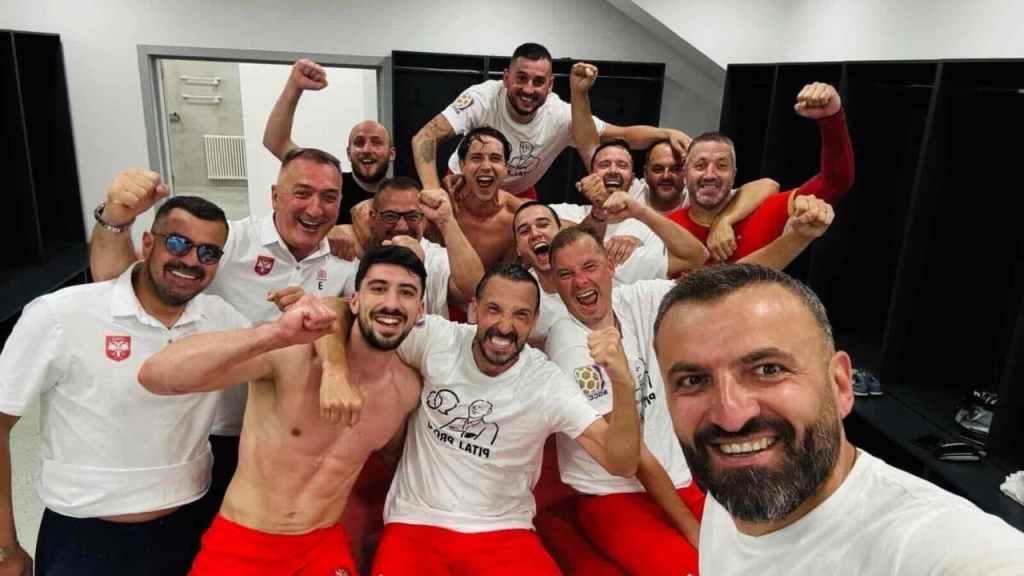
Players and the Serbian socca coaching staff celebrate together in the dressing room.
Physical preparation remains vital despite the smaller pitch.
Frequent sprints and sudden changes of direction place heavy demands on the players. Substitutions help the side keep the intensity it needs. The European Championship experience gives Serbia a useful foundation, and coaches can study the combinations and situations that caused problems. New opponents will still require different solutions.
| Match detail | Socca rules |
|---|---|
| Pitch | 50 by 30 metres |
| Surface | Artificial turf |
| Outfield players | Five per side |
| Goalkeepers | One per side |
The squad travels with limited support
Representatives of the team explained that many of the costs are hard to cover. Players and coaching staff have taken on a large share of the financial burden. Travel, accommodation and preparation all require reliable backing. The bronze medal brought recognition but did not remove those costs. International participation also depends on organisation away from the pitch, and steadier help would allow earlier and more secure planning.
Despite this, the players are getting ready to represent Serbia in Essen. Their competitive goal is separate from the financial problem, and results will be decided by how they perform against group rivals. Greater public attention could bring the sport to new audiences, and it also shows how much work goes into an international tournament. The trip itself is the final part of that preparation.
Essen presents a new international test
The World Championship brings nations together in a very dense schedule, so recovery between matches becomes highly important. Coaches must carefully manage the minutes of every player. Serbia arrives with the fresh experience of winning a medal, and the squad knows the speed needed on a smaller pitch. Now it has to apply that knowledge against new opponents.
The first results will shape the route through the competition. A single match can have a major effect on qualification, since the group stage leaves little time for corrections. Discipline is especially important in tight finishes. The national team travels to Essen as European bronze medallists. That success brings confidence but no points in advance, and the World Championship is a completely new challenge for the Serbian players.
Squad depth matters in a short tournament
An international socca tournament can involve several matches within a few days. The same six players cannot carry every minute without physical consequences, so players on the bench influence individual games and the whole campaign. Coaches need players who understand more than one role. A player may defend the space in front of his goal at one moment and finish an attack a few seconds later. Clear substitutions help the team protect its rotation. Discipline also preserves squad depth through a demanding tournament schedule. A suspension can remove a player from the next match and reduce the number of possible changes. Serbia must avoid needless reactions in tense finishes.
The European bronze gives the coaching staff fresh footage to analyse, and opponents can study the same material. Serbia may need new set-piece routines and different pressing triggers in Essen. Success at the World Championship does not depend only on the best starting line-up. Recovery, substitutions and calm decisions play an equally large part. The whole national team must be ready from the first group match.