
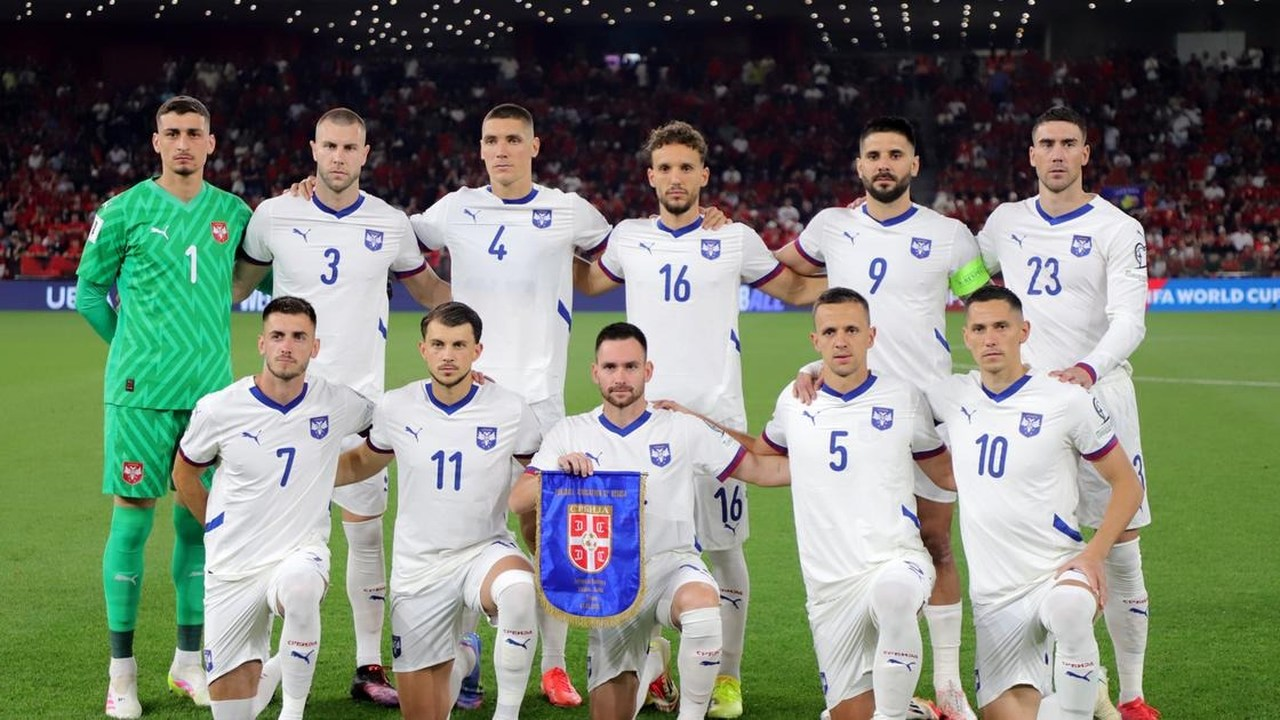
Serbia’s senior men’s national team has climbed three places in the FIFA rankings.
The Serbian football side has moved from 43rd to 40th in the latest FIFA table. Their points total has stayed the same, but the order around them has shifted.
The ranking was released after the World Cup, which Spain won. Serbia did not take part in the tournament, but other teams’ results affected their position.
Changes around Serbia brought the rise
Serbia have kept the points earned in earlier international matches. They had no new result in the period under review that would alter that total.
World Cup participants played high-value fixtures for the calculation. Their wins and defeats moved several nations around Serbia.
That is how Serbia gained three places without playing a new match. A position can change even when the points balance stays put.
Serbia begin the next international window from 40th. The position is better, but the team’s on-pitch output in this edition has not changed.
The published order covers senior men’s national teams. Serbia’s younger sides and the women’s team compete in separate tournaments and are not part of this ranking.
Serbia’s unchanged points offer the clearest explanation. The team rose because other totals moved, not because of any extra bonus.
Spain lead a new world order
Spain took top spot after winning the World Cup. Argentina, France, England and Brazil follow them.
The tournament also reshaped the rest of the table. Norway advanced considerably, while some experienced European and Asian sides slipped back.
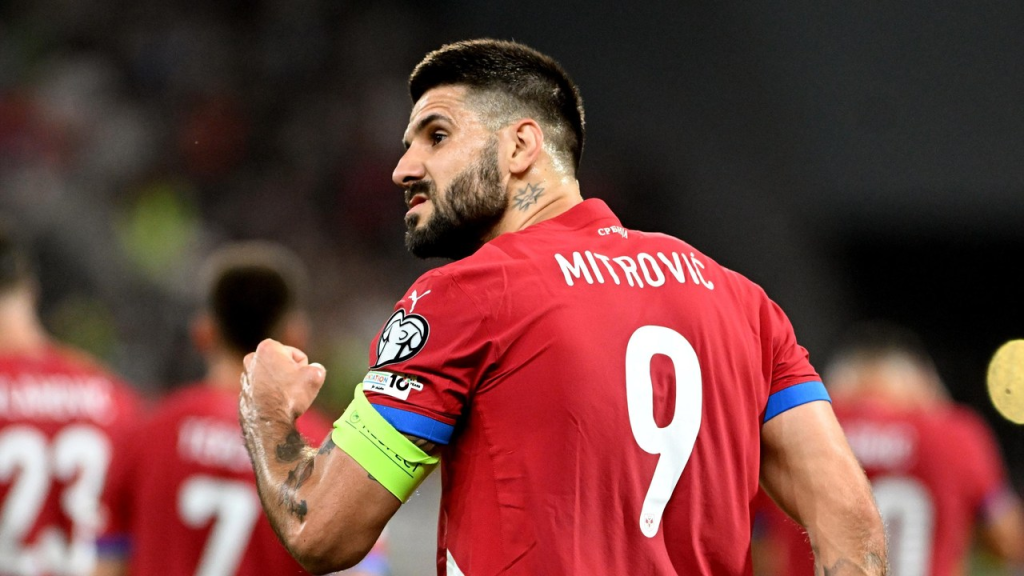
Aleksandar Mitrović plays for Serbia in an international fixture.
Serbia sit in a part of the table where gaps are often narrow. Several nations can fit into a very tight band of points.
The position should therefore be read alongside the points total. A rise does not always mean the team itself has won new points.
Spain moved up after a successful World Cup. Their new place is based on completed matches, not on a separate vote.
The formula records the result, the strength of the opponent and the importance of the match. It does not assess possession, chances created or the visual impression of the play.
FIFA updates points after every match
The calculation compares the actual outcome with the expected result. The strength of the opponent and the significance of the competition are both taken into account.
| Serbia’s position | 40. |
|---|---|
| Change | Rise of three places |
| Points | 1.502,13 |
| Top national team | Spain |
A match at a major tournament is worth more than a friendly. A win over a stronger opponent can also produce a bigger shift.
Goal difference brings no special bonus. Narrow and comprehensive wins are both recorded as wins in the formula.
Every completed match changes the previous points total. The ranking therefore develops continuously and does not restart after a tournament.
Argentina, France and England stayed close to the top. Brazil also held their place in the leading group after the tournament edition.
The list therefore has a narrow purpose. Coaching staff still need match analysis when selecting players and preparing for opponents.
Position may affect later draws
Some international competitions use the FIFA ranking to seed teams in their draws. The organiser’s rules state which edition of the list applies to a draw.
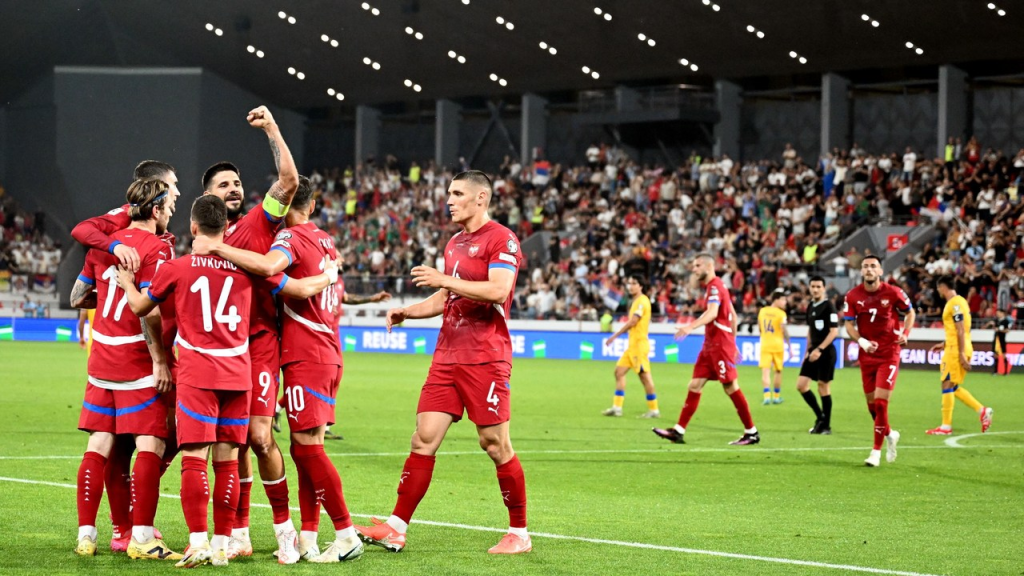
Serbia’s players celebrate during an international match.
A better position can be useful when the appropriate list is chosen. This edition does not by itself give Serbia a new seeding.
Upcoming results will determine whether Serbia keep this position. Wins bring points, while defeats can take them away.
Neighbouring nations keep playing too. Their results can move Serbia even when its own points total changes only slightly.
Paraguay and Norway were among the sides that rose sharply. South Korea and Turkey moved in the opposite direction.
The next window turns attention back to play
The ranking offers a broad comparison, but the next matches will give a clearer sporting picture. Serbia need consistent performances rather than attention focused only on position.
Squad selection, player form and how well the game plan is carried out do not show up in points. Those factors will shape the team’s output in the next window.
Profile of Đorđe Petrović covers one of the key positions in Serbia’s current national team.
The confirmed change is simple. Serbia rose three places, Spain are first, and further movement will come from completed international matches.
Croatia and Bosnia and Herzegovina also changed positions. Their movement shows how much a major tournament can reshape the entire list.
Serbia enter the next window from 40th
Serbia kept the same points total while the teams around them shifted after the World Cup. That is why they rose three places without playing a new match.
Serbia’s next completed matches will change their points under the same FIFA formula. Spain remain first on the published list.