
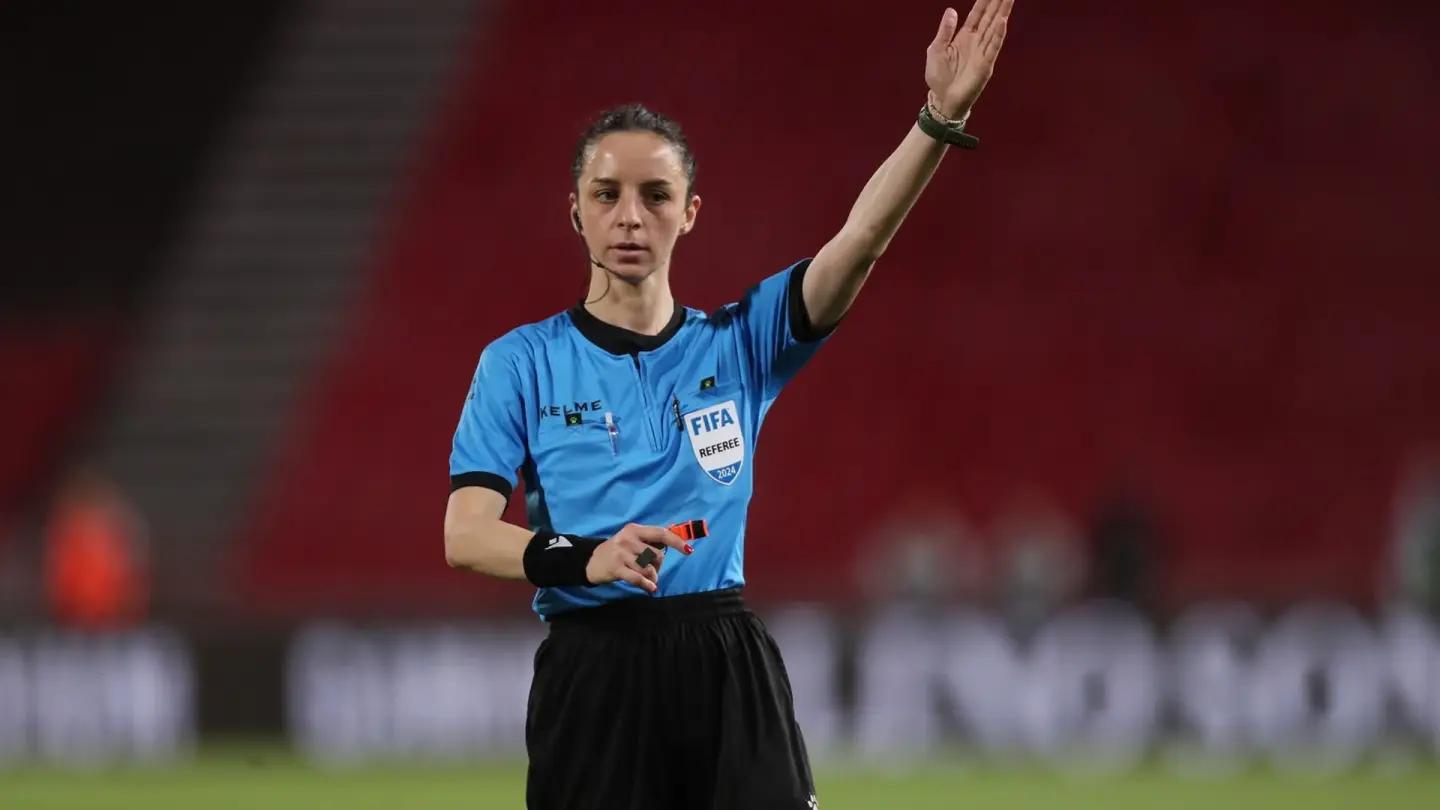
The four-official crew has clearly divided responsibilities
Cvetković will referee the match, with Aleksandra Kostić and Dragana Tadić assisting her on the lines. Marina Živković has been named fourth official. The group does not operate as four separate observers. Every decision depends on angle, distance and a quick exchange of information.
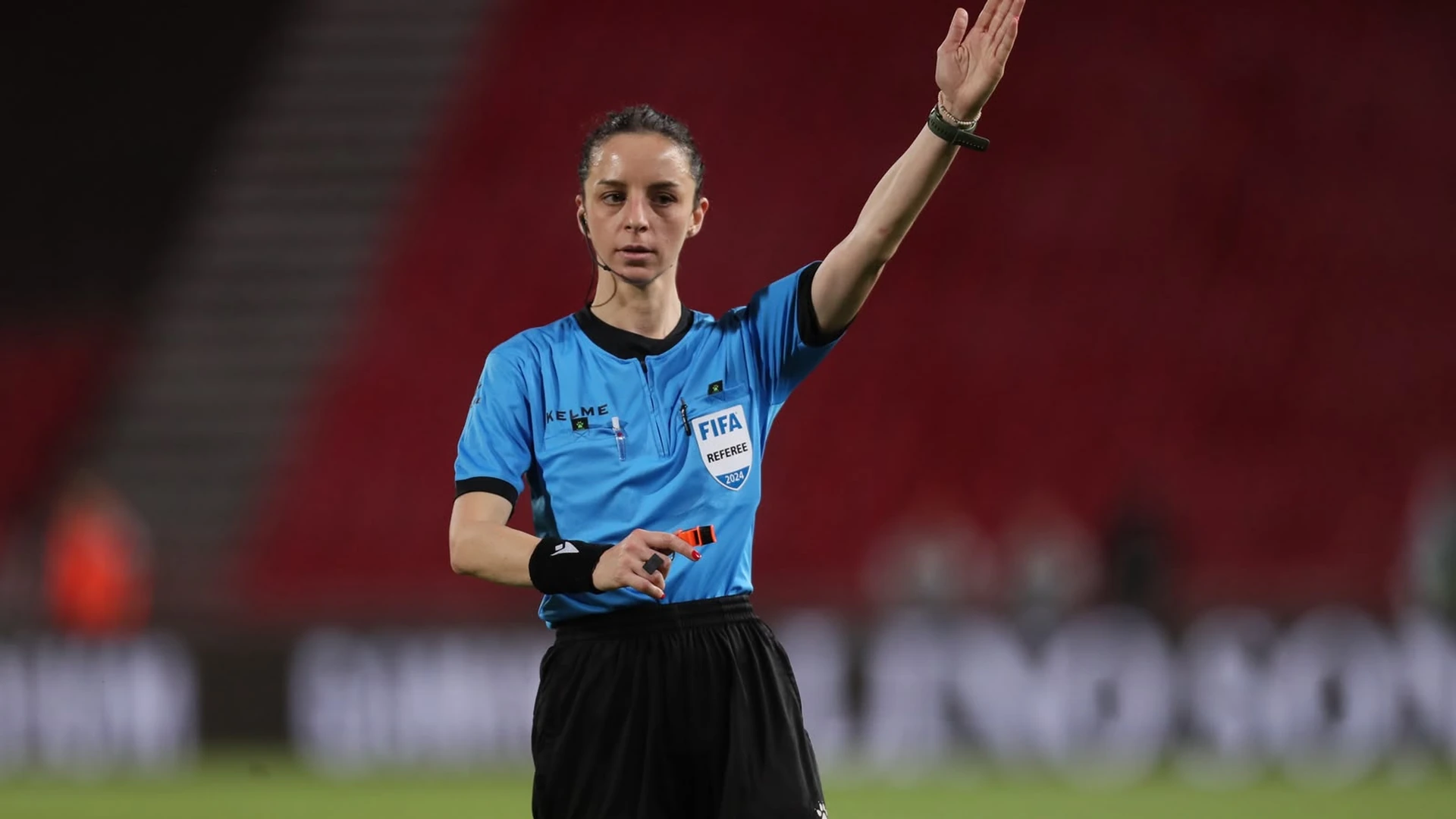
Assistant referees watch for offside, but they also keep an eye on contact that happens outside the referee’s main field of view. The fourth official monitors the technical areas, substitutions and communication with the benches. The referee has to bring those signals together without breaking the rhythm of the game.
The return leg carries European pressure
The return fixture on 11 November is scheduled for 18.30 Central European Time. Eintracht arrive in Frankfurt with a 2:0 lead from the first leg in Eindhoven. Dagmar Damková from the Czech Republic is the match observer, so the assessment will look not only at the final decision but also at the positioning that led to it.
Quick transitions are a particular test. The referee has to keep an angle on the ball while avoiding a position in the line of the next pass. Standing too close can hide contact, while standing too far makes it harder to judge the intensity of a duel.
A consistent standard prevents unnecessary tension
Players quickly recognise what is acceptable in contact. If the same challenge is penalised once and ignored the next time, protests and sharper tackles increase. Consistency does not mean an automatic card for every foul. It means applying the same judgement of intent, speed and consequence.
An advantage is only useful when the team really keeps the better situation. Playing on for one short pass makes little sense if the attack immediately loses its direction. Cvetković has to read how the move develops and, when needed, bring the foul back without a long delay.
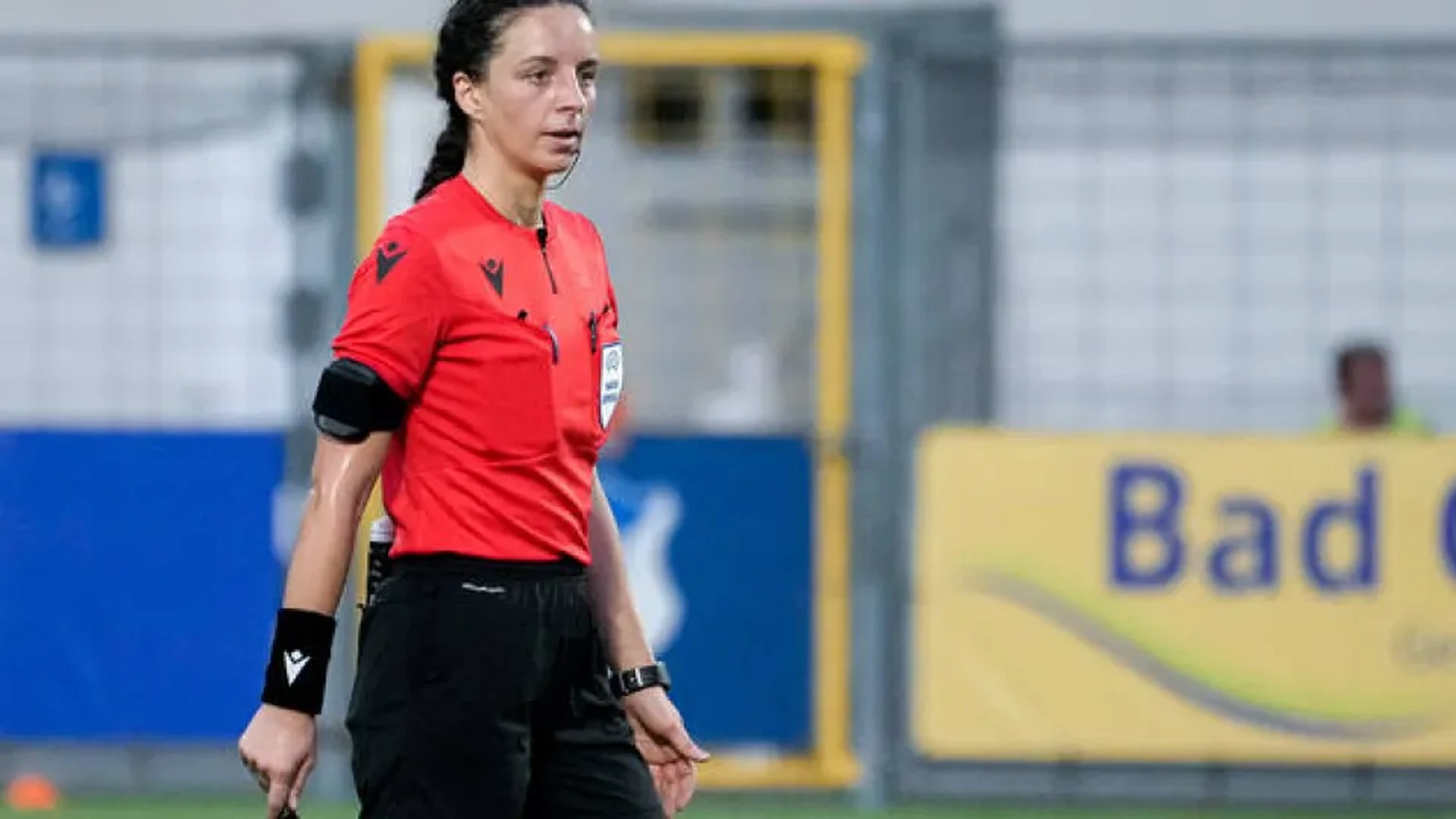
The appointment confirms the continuity of Serbian referees
This international assignment follows domestic matches that serve as a constant check on form. UEFA gives European fixtures to crews who show physical fitness, correct positioning and steady communication in demanding situations.
The best performance will be one where attention stays on the football. For that to happen, the crew must be ready for stoppages, quick counter-attacks and possible changes of tempo after a goal. A clear standard and a calm body language set the limits of the match without taking over the main role. Decisions on the ball entering the penalty area need particular coordination, since the assistant may see the defensive line while the referee judges the intensity of the contact. A short, precise signal prevents different readings of the same action.