
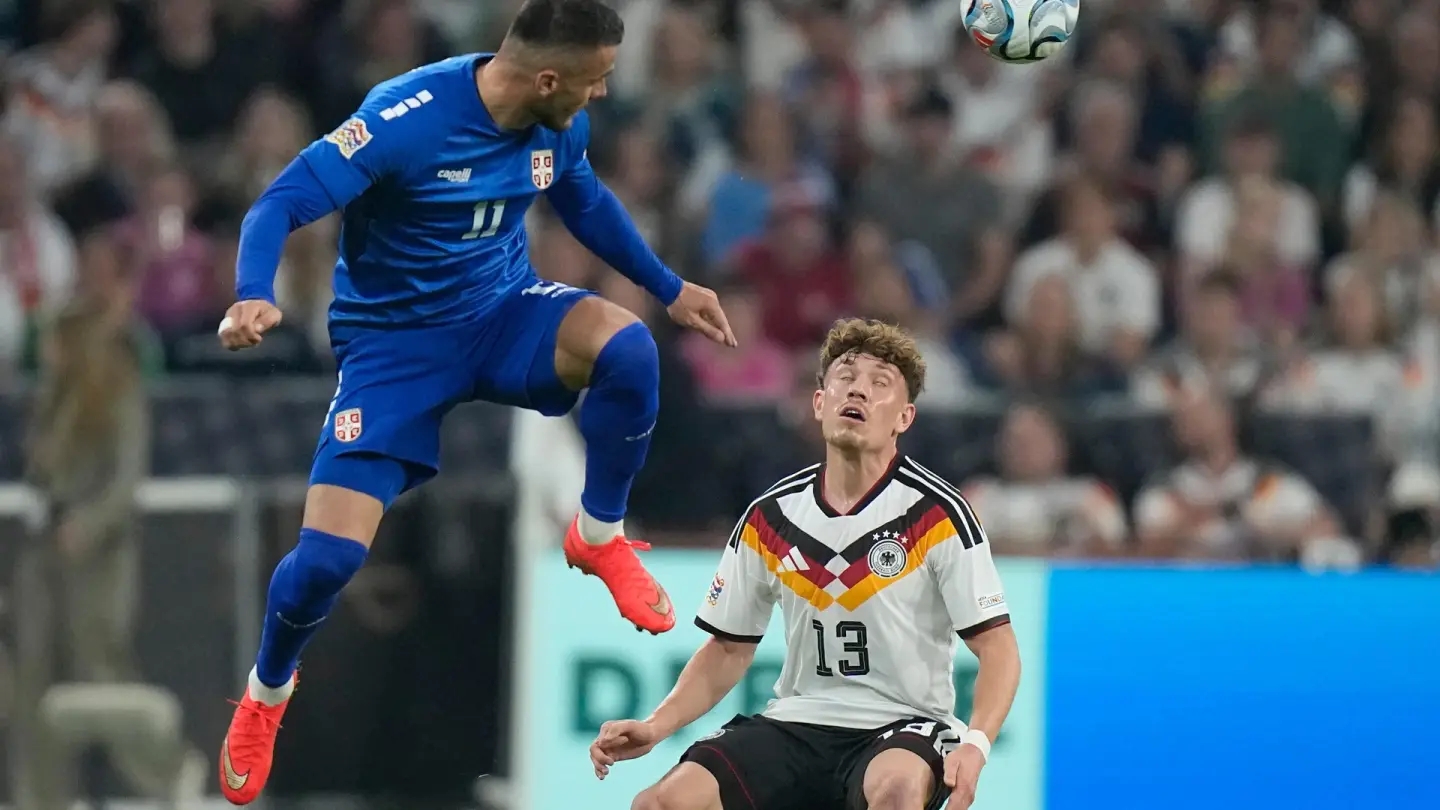
Serbia must keep the distance between the lines
Germany are at their most dangerous when they receive the ball between the midfield line and the defence. One player then turns to face goal, while runners start to move in from both sides. Serbia therefore cannot allow their forwards to press high without support from the midfielders.
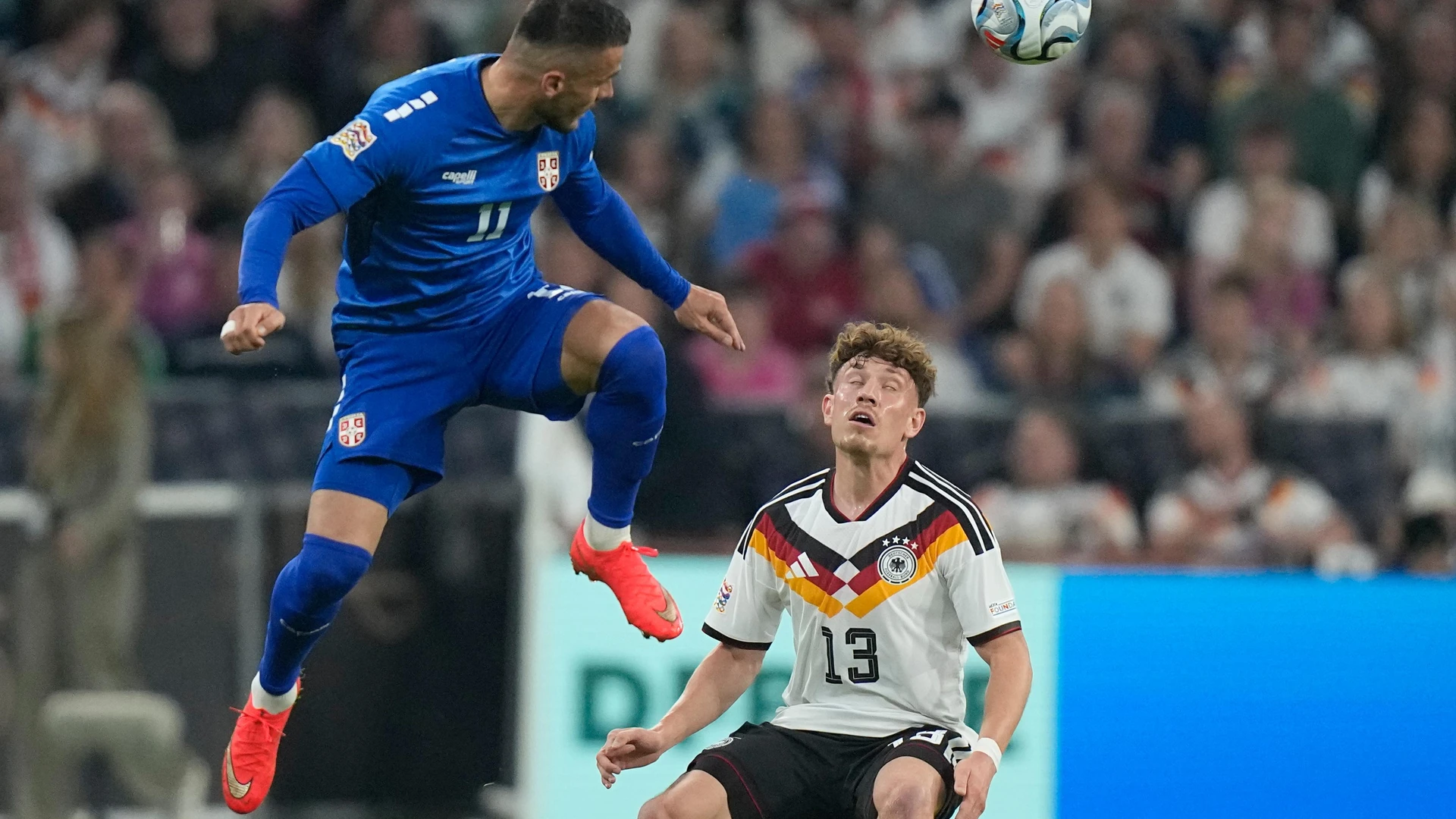
If the first press is not possible, the side should drop quickly into a compact shape. That is not passivity, but a way of pushing the opponent towards the flanks. There, Serbia can shut down the space with more players and reduce the chance of passes through the middle.
The match comes at an important stage of the cycle
The fixture is set for 13 November at 20.45 at the Rajko Mitić Stadium. Paunović has stressed that qualifying for the European Championship is the main goal of the coming cycle, while the games against Germany and Greece serve as a test of progress in competitive conditions.
In Eindhoven, Serbia showed more courage on the ball and cleaner exits under pressure. Now they need to repeat that approach in front of a home crowd. The biggest mistake would be for the team to give up on every attempt at organised attack because of the strength of the opponent.
The first pass after winning the ball will be crucial
Germany often leave several players in the final third, so a lost ball can open space behind their wide players. Serbia must keep possession long enough to push their lines up and bring their quick players into play. A random long ball would simply hand the pressure back to the defence.
Aleksandar Mitrović can be an outlet if he receives a pass to feet with support on both sides. His duels with the centre-backs are not a goal in themselves. The real value comes when Serbia keep the ball after the first contact and bring in a midfielder arriving from the second line.
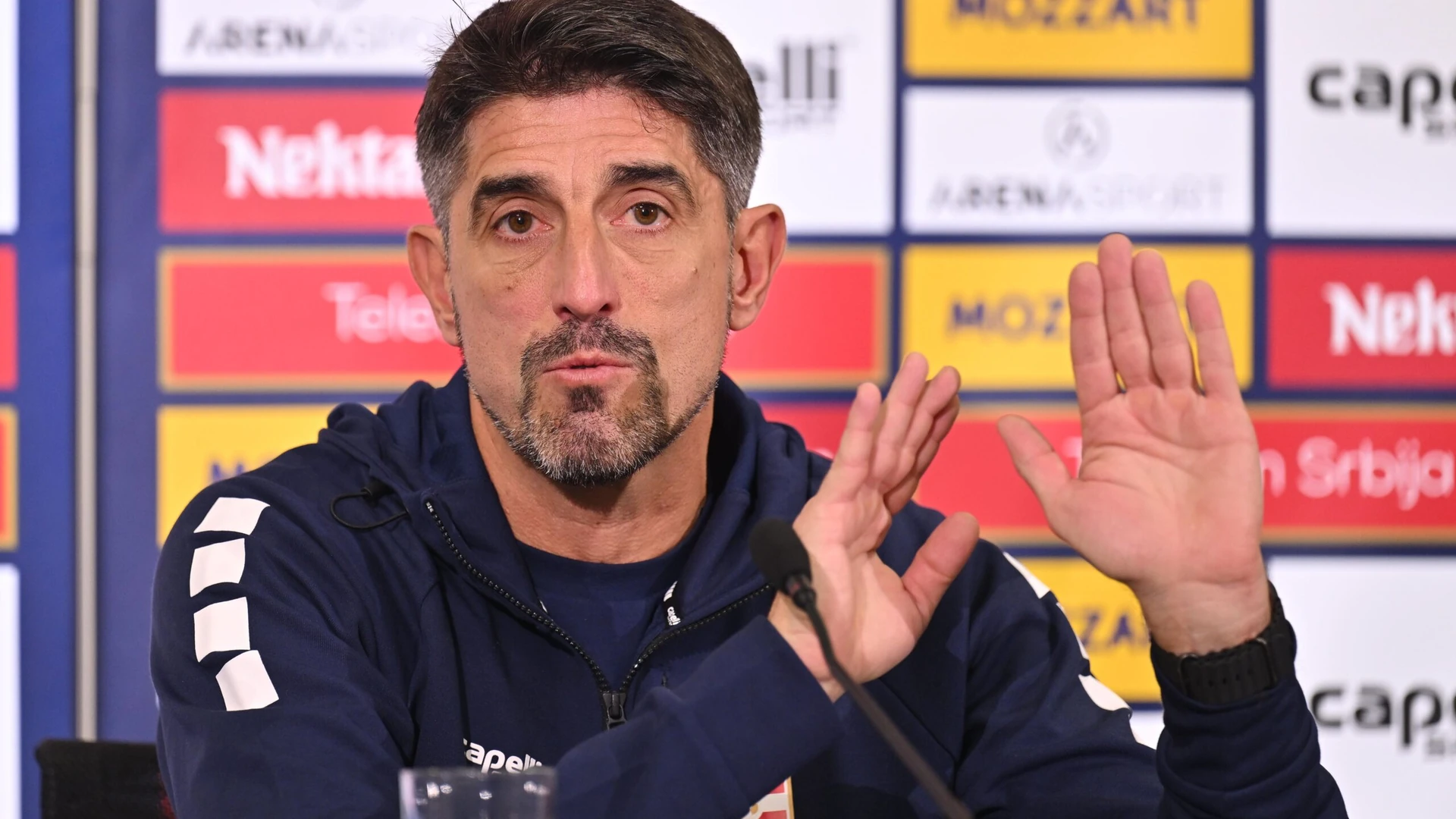
Control of set pieces could decide a tight match
In a match with few clear chances, every set piece carries greater weight. Serbia have players who can threaten in the air, but they must protect the space after a rebound. Germany are quick to turn an unsuccessful opposition corner into a counter-attack.
The home side do not need to look for a perfect match. They need to cut out simple errors, recognise the moment to leave their block and stay patient when Germany keep the ball for long spells. That discipline would show that the better performance from the previous outing can become a stable direction. Support from the stands can lift the energy, but decisions on the pitch must stay calm and clear.