
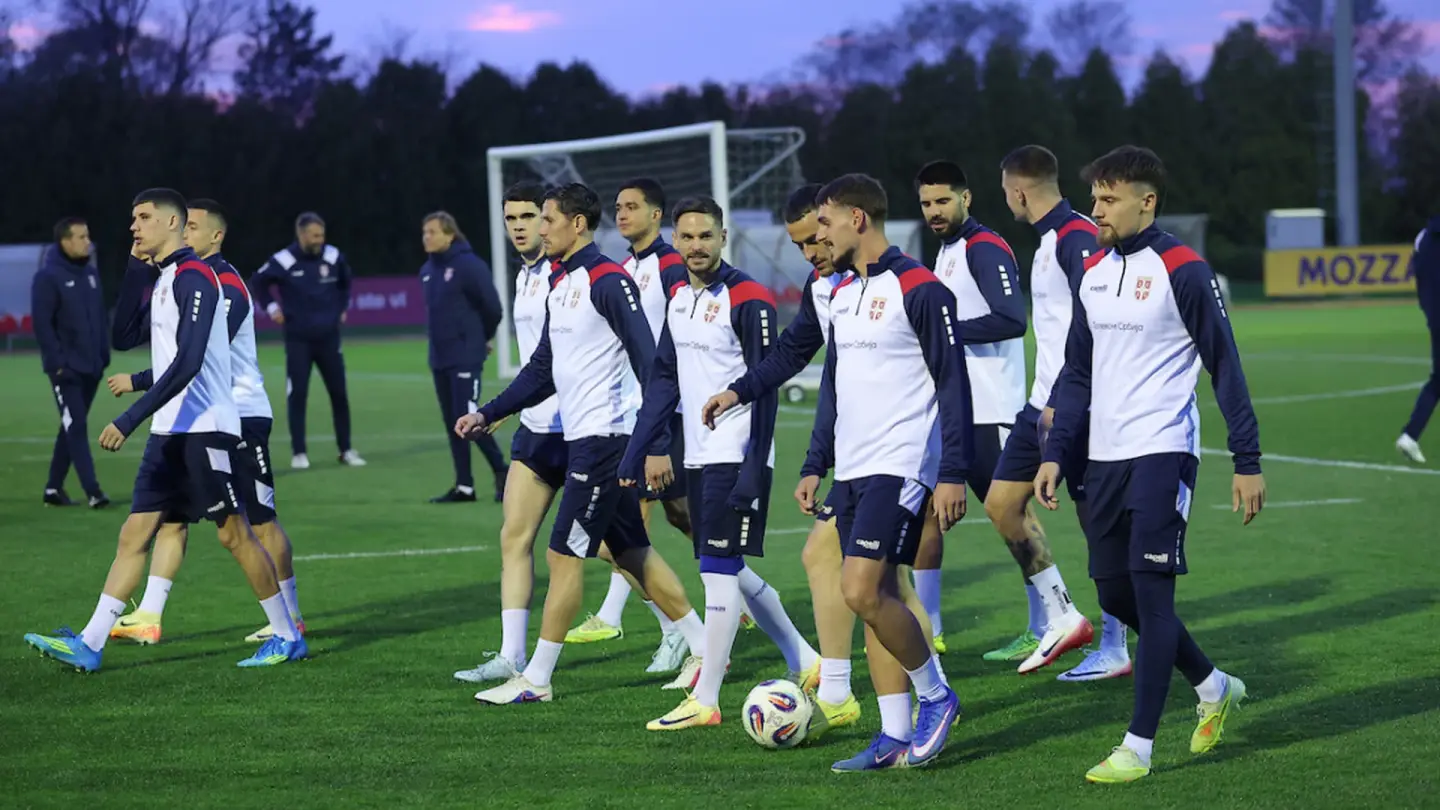
Day one was tailored to club commitments
Players who had not featured for their clubs the previous day trained on the pitch at the FSS Sports Centre. Internationals with heavier recent minutes worked in the gym, since applying the same intensity to the whole group would have raised the risk of fatigue and injury.
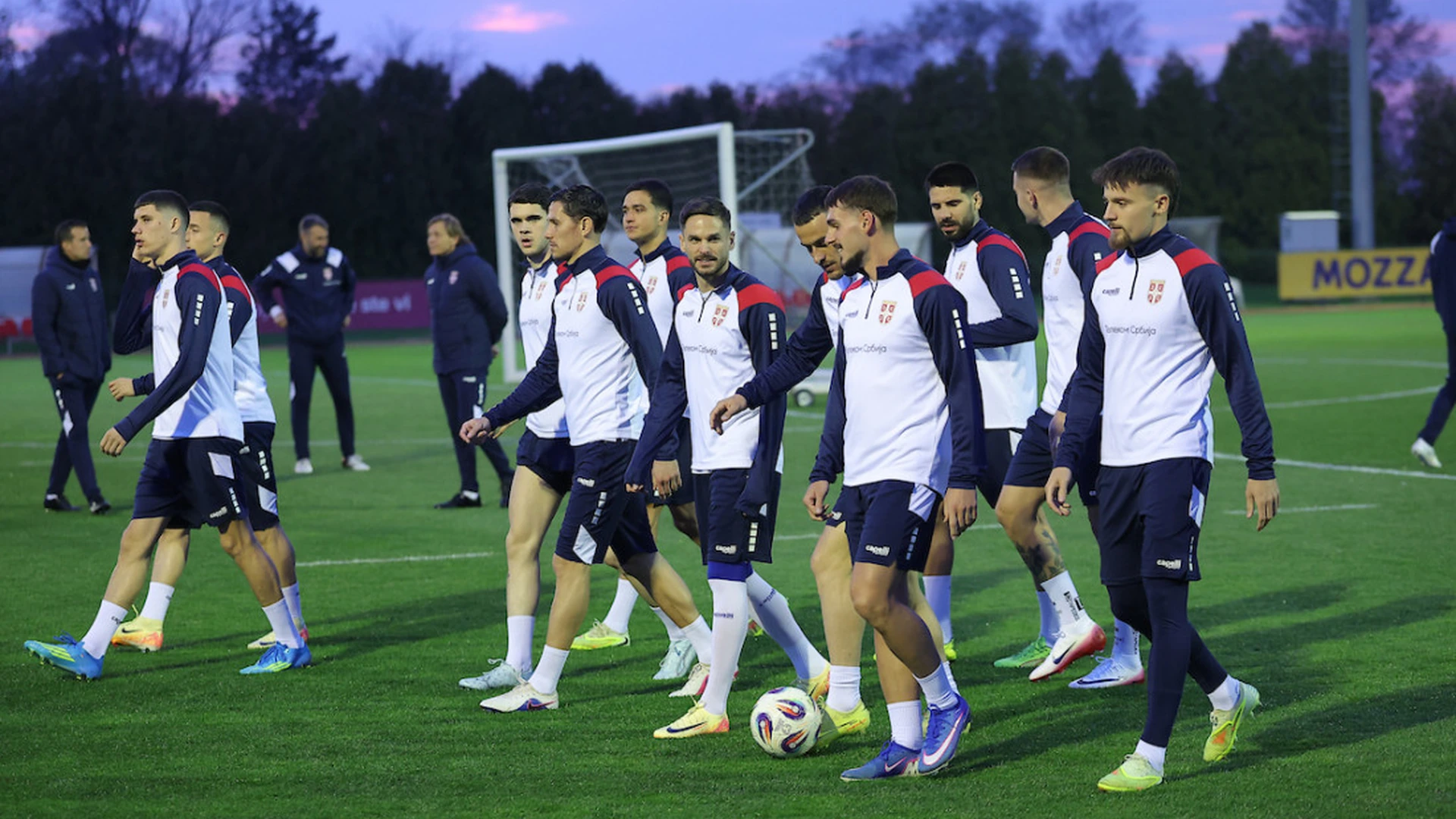
This split lets the coaching staff build a more uniform group from the next session onward. The priority is getting everyone back onto the same rhythm without losing the time needed to prepare tactically for two different matches.
Paunović wants consistency in both directions
The camp opened on 9 November, four days before the match against Germany in Belgrade. Head coach Veljko Paunović pointed to concentration in defence, the forward pass, arriving in the final third and finishing as areas where the side must become more reliable.
Serbia cannot rely only on long spells of possession. Against a team that punishes lost balls quickly, the shape behind the attack has to stay solid. That means the midfield must not push forward all at once and leave the back line unprotected.
Germany demand precision, Greece a different tempo
The first opponent may press high and speed up the game with short passing. Serbia therefore needs a plan for playing out of pressure, along with a simpler option when the space is closed. A single wayward pass through the middle can turn possession into danger in front of goal.
Three days later comes the trip to Greece in Volos. That schedule leaves little time for recovery and for changing the plan. From the outset, the staff must allocate roles so the team keeps its energy for both games.
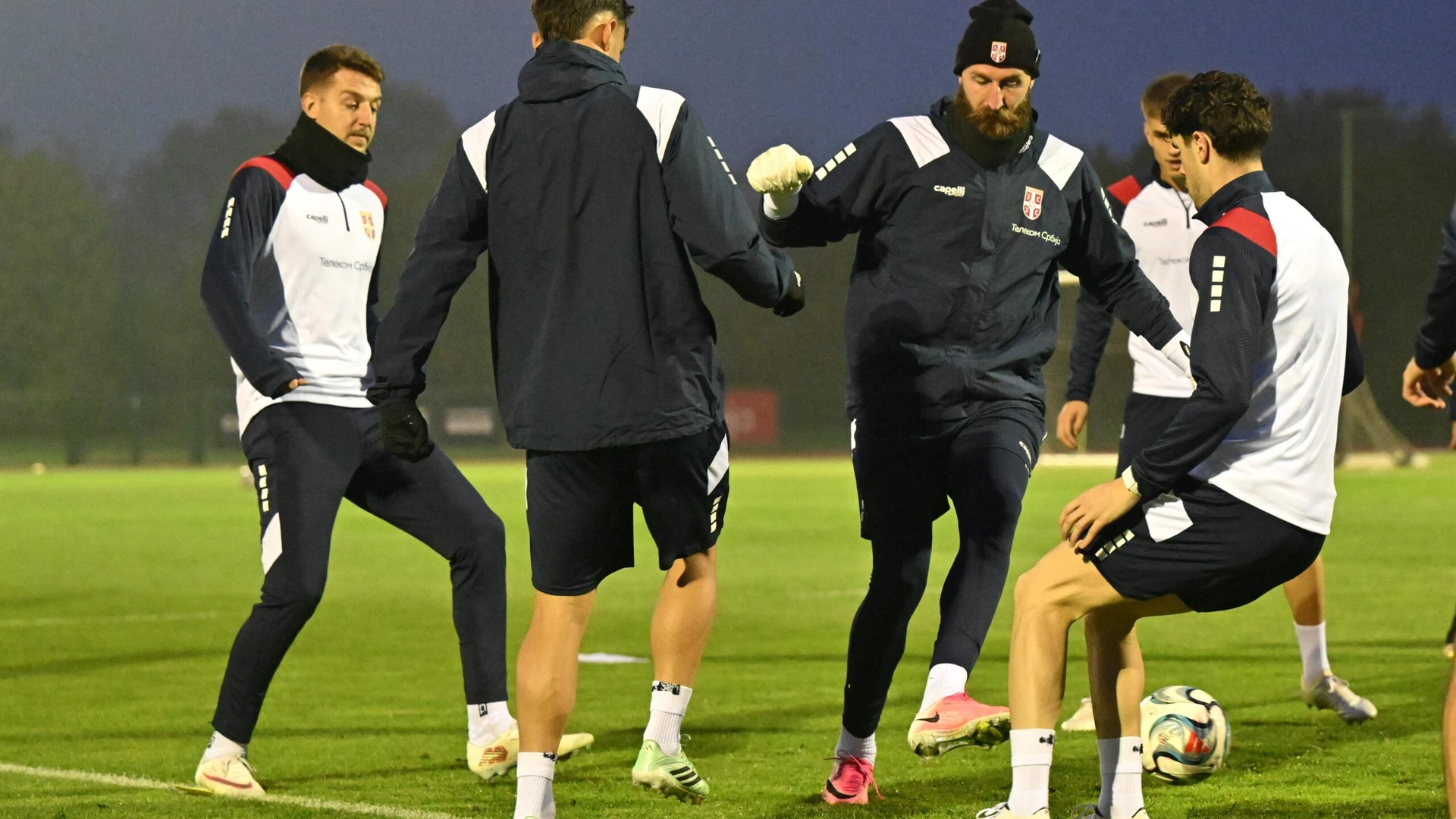
Preparations must move quickly from recovery to detail
Serbia has a limited number of joint training sessions before Friday. That makes clear roles more important than a long list of new ideas. Players need to know who steps out to receive the ball, who covers the space behind them, and how the team recovers when the first press fails.
The match against Germany is played on 13 November at the Rajko Mitić Stadium, while the game against Greece is scheduled for 16 November. The first training did not settle the starting line-up, but it set the foundation: recovery without losing tactical time, and a gradual rise in intensity.
The schedule also demands careful management of minutes. A player who carries a heavy load against Germany may not be able to repeat the same intensity in Volos, so every substitution must be part of the plan rather than a reaction to fatigue during a match.