
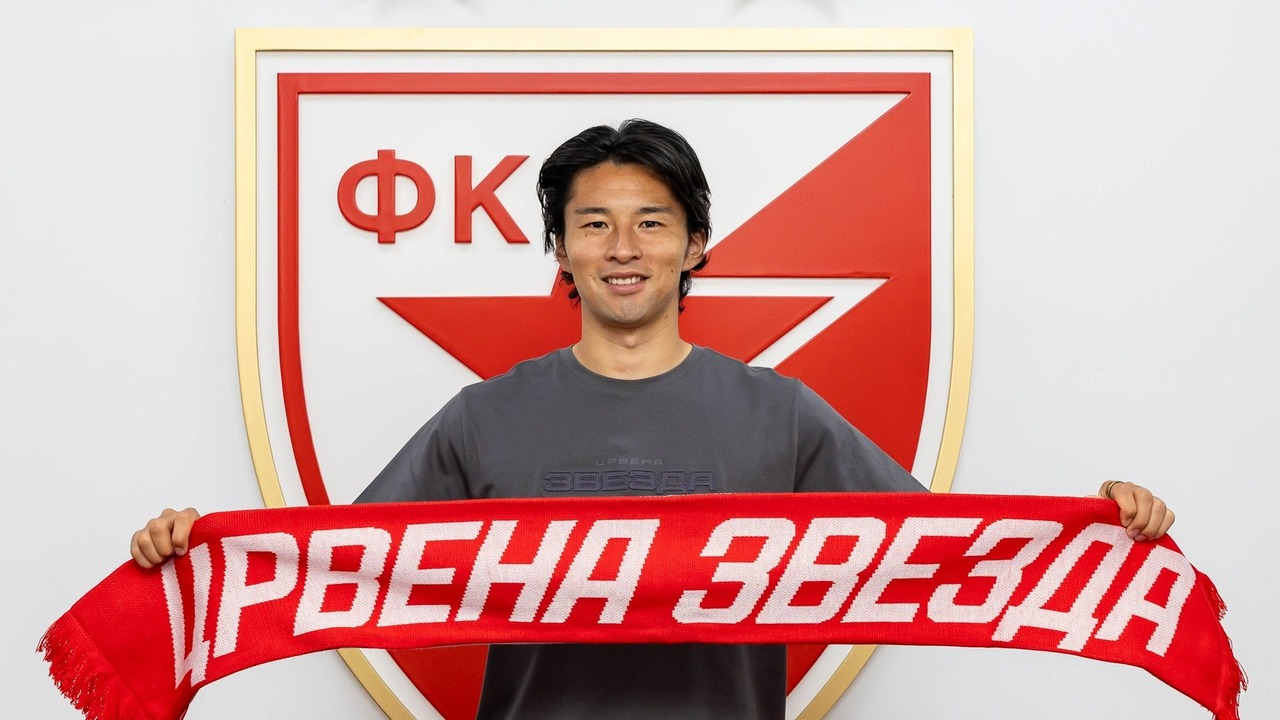
Nakajama will wear the number three shirt and can operate in the centre of defence or on the left side of the back line. The first team line-ups will show where the coaching staff wants to make use of his versatility.
The club has released the main contract details
Red Star said the initial agreement runs for three years, with the possibility of extending it by one more season. Nakajama has been given the number three shirt. The club did not disclose a transfer fee, so the financial terms cannot be reliably worked out from the statement alone.
His experience with the Japanese national team could prove useful against European sides who attack at different tempos. The most important first step, however, is working with the goalkeeper and the other defenders. Joint training sessions will decide when to step out, how far apart the lines sit and how the space behind the full-backs gets closed.
Nakajama adds options at the back
He is primarily a defender, but he can play in central defence and on the left. That flexibility gives the coach more solutions when injuries, suspensions or the characteristics of an opponent change the plan. It does not mean he will switch positions in every match or that he is already fixed as a starter.
The possibility of a fourth season should be kept separate from the initial length of the deal. The option only takes effect under conditions the parties have agreed, so the contract is not the same as four unconditional years. The shirt number and the signature apply immediately, while a decision on the extra season would come later.
International experience adds value
Nakajama has played for Japan and is used to short preparation periods, long journeys and opponents with varied styles. That background helps a club that combines domestic commitments with European fixtures. It does not, however, remove the need to learn the defensive cover calls, the pressing rules and the set-piece duties.
His experience as both a centre-back and a left-back gives the coaching staff two realistic options. In the middle he can take part in the first phase of building from the back, while on the flank he can offer a different angle for passing. His first competitive appearances will show where he fits best alongside the current squad.
The number three makes the new player easy to spot
The shirt number is a visible sign of the transfer, but it does not in itself define a tactical role. The number three is often associated with defenders, although the coach decides the actual position. What has been confirmed is the number, the length of the contract and the completed arrival, not a place in the starting eleven.
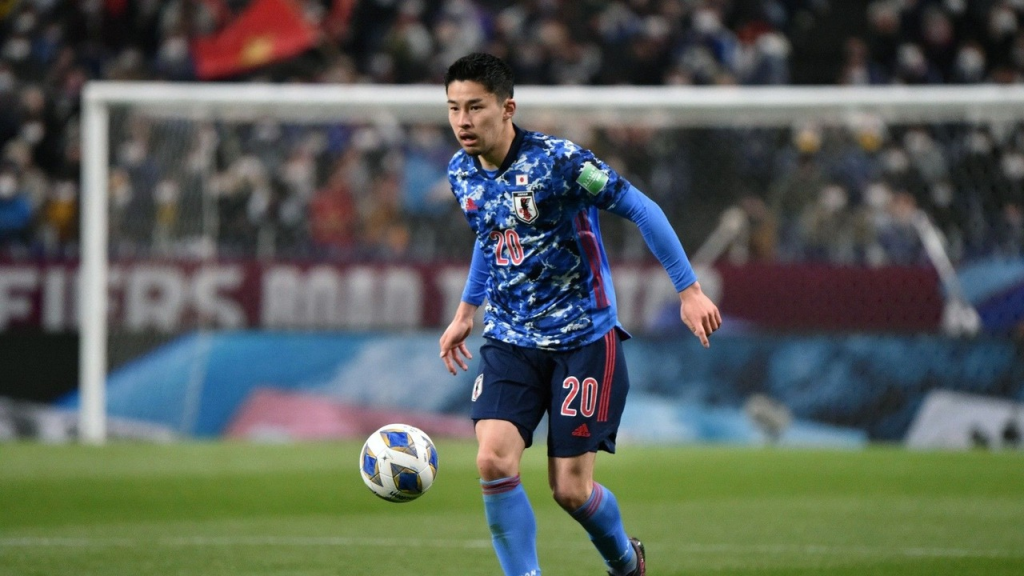
Nakajama will compete for game time with players who already know Red Star’s system. That competition can be healthy as long as everyone understands their role. The coach can choose a defender’s profile according to the height of the opposition, the speed of their attack and how he wants to start possession.
Paperwork comes before the first appearance
After the signing, the club completes the registration needed for the competitions in which it wants to use the player. Domestic and European squad lists have their own deadlines and rules. A published transfer therefore does not prove that Nakajama can feature in every upcoming fixture; the official line-up provides the final confirmation for a given match.
That separation keeps the status of events accurate. The move to the club is complete, but a debut has not happened just because the contract was signed. When his name appears in a registered squad, it can then be described as his first sporting opportunity, without speculating about a date.
The defender now learns the demands of his new team
In training he will get to know the spacing Red Star want between the centre-backs, how the full-backs move and how the team reacts after losing the ball. An experienced player can grasp a plan quickly, but automatic understanding takes repetition. It is especially important that the whole line steps up or drops back at the same time.
Communication will decide whether his versatility becomes a real advantage. When he plays on the left, he has to coordinate his movement with the winger and the central midfielder. In central defence, the relationship with the other centre-back and control of the space in front of the goalkeeper matter more.
The first matches will define his starting role
Red Star have brought in a defender with international experience who can play in two positions. The club now has more options, but each choice has to suit the opponent and the team’s current form. The fairest assessment will only begin once Nakajama receives official minutes.
The contract gives him enough time to adapt, while the option leaves room for a later decision on continuing the partnership. Until then, the confirmed line-ups, his position and his performances on the pitch should be followed. Those details will show how he fits in far more clearly than assumptions made straight after the signing.
The arrival is complete with the signing of the contract, while the sporting side begins through work with his new team-mates. Nakajama is now learning the coaching staff’s demands, the arrangement of the defensive line and the way Red Star build attacks from the back.