
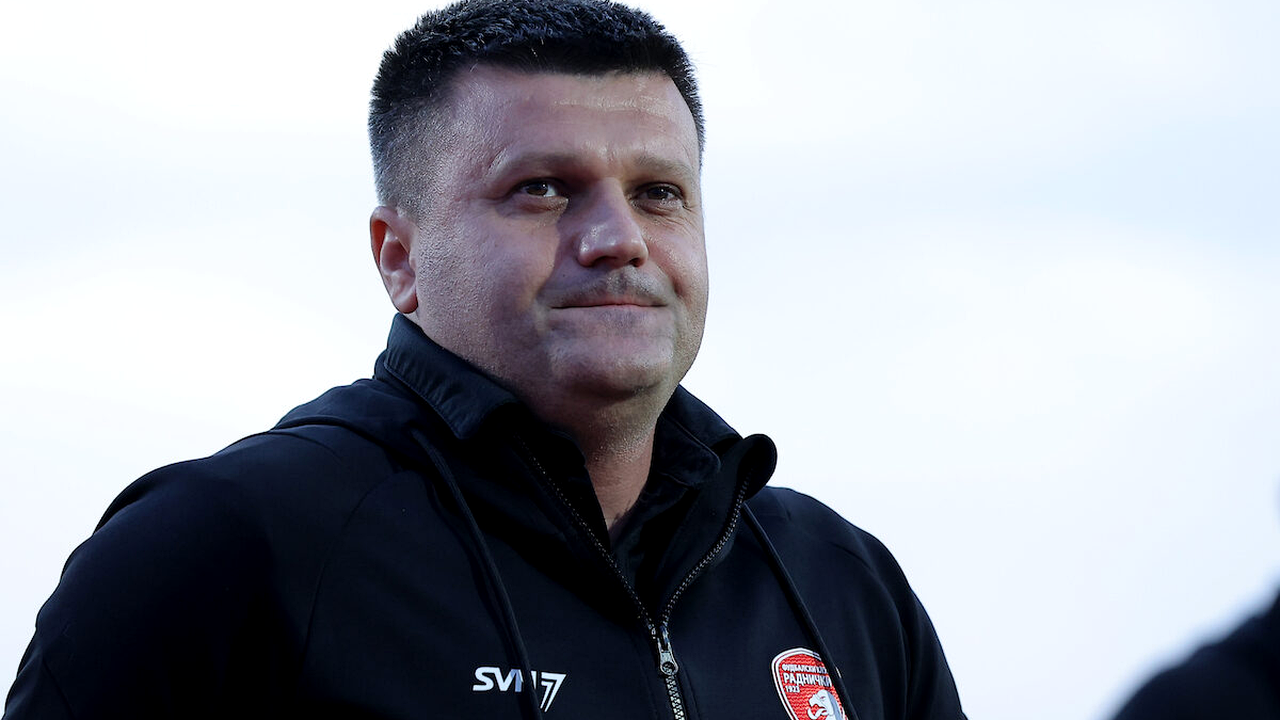
Dudić’s tone suggests no minor fixes
Radnički 1923 is heading into a summer that does not look like a routine squad top-up. When the coach talks about changes that could affect a large part of the group, the message is clear: Kragujevac is not looking for cosmetic moves.
Feđa Dudić has to strike a balance between a quick rebuild and stability. If too many players leave without a clear plan, the team could lose its identity. If too few change, the same problems tend to return within the first few rounds.
That makes this one of the more important moments for Radnički. The transfer window is not only about signing players. It is a decision about what kind of football the club wants to play and how quickly it can reproduce it on the pitch.
The shape of the rebuild
| Club | Radnički 1923. |
|---|---|
| Coach | Feđa Dudić. |
| Topic | Major changes to the squad ahead of the new season. |
| First risk | Too many new players without a clear pecking order. |
| First goal | Build the team’s base and lines of responsibility quickly. |
Also read the pressure on Partizan over LeDay. Another related story is Serbia’s tough qualifying group.
First, the spine of the squad has to be protected
Every rebuild starts with the question of who stays as the foundation. Radnički cannot replace everyone and expect the side to play as if it has been together for years. It needs a backbone: a goalkeeper, a centre-back who runs the defensive line, a midfielder who calms possession and a striker who understands his role.
If Dudić finds that core, the new arrivals will settle in more easily. If he does not, every friendly will turn into a search for a starting XI, and that wastes time that is most valuable during pre-season.
Supporters tend to look at the names coming in, but a coach first looks at the connections between the lines. A good signing loses much of its value if he does not know where to stand when the team loses the ball.
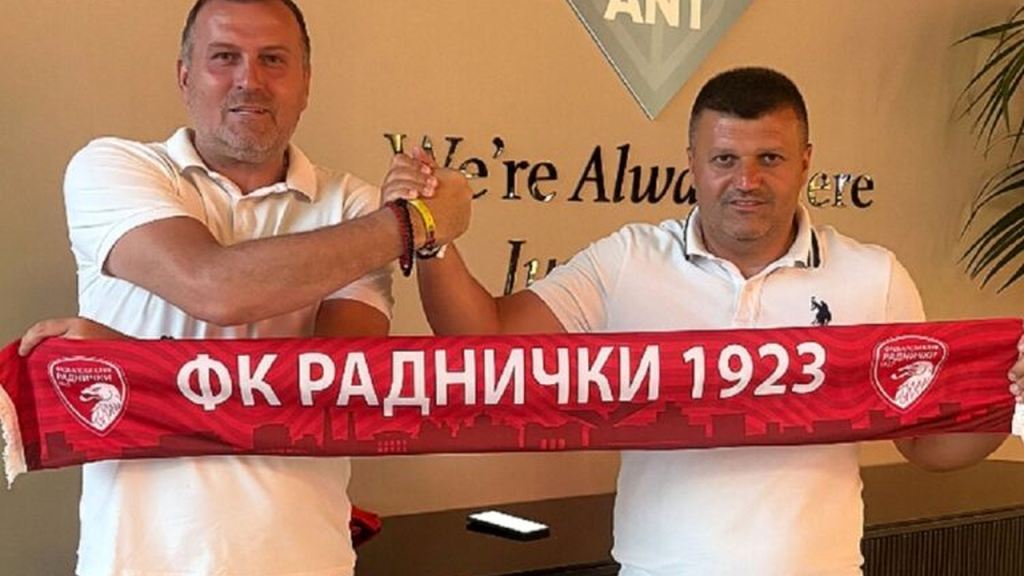
The changes must fix the rhythm without the ball
Radnički will need to decide how it wants to defend. High pressing demands speed, clear triggers and players who can repeat sprints. A lower block requires concentration and discipline in space. No rebuild works without a decision on that foundation.
Dudić’s side cannot be a group of good individuals who read the same moment differently. If one player steps up to press while another stays back, the opponent gains space. Gaps like that show up fastest in a new team.
That is why pre-season work has to be strict. Drilling the attack is not enough. The team needs to know what it does in the five seconds after losing the ball.
Attack needs clearly defined roles
Major squad changes often hit the attack first. A new winger wants the ball at his feet, a new striker wants crosses, and a new midfielder wants a different tempo. If those demands do not fit together, the attack looks like a series of separate attempts.
Radnički has to determine who runs in behind, who drops between the lines and who stays as cover. When the roles are clear, even a new group can quickly look organised.
Dudić carries the most work here. The rebuild is not finished when a player signs. It is finished only when it is clear why he was brought in.
Kragujevac will look for signs of progress quickly
Supporters can accept change if they can see a direction. They do not need to see a perfect result straight away, but they need to see that the team knows what it wants. The first few matches will therefore matter for the atmosphere around the club too.
Radnički has the chance to turn this rebuild into a fresh start, but only if decisions do not drag on. The sooner the coach has a settled base, the sooner he can work on the details that make the difference in the league.
The best case is that the structure is visible already in pre-season: how the team defends, how it escapes pressure and who finishes the attacks. If that becomes clear, a large number of changes will look like a plan rather than panic.
Otherwise, every new adjustment will raise another question. That is why Dudić’s rebuild is now both a sporting and an organisational test for Radnički 1923.
Pre-season will quickly show whether the rebuild has a direction
The first friendlies will not give final answers, but they can show whether Radnički has a direction. If there is a clear pressing line, a simple way out of the back third and a better arrangement in the final third, supporters will accept the scale of change more readily.
Dudić will have to settle some debates earlier than he might like. A rebuild that drags on can easily turn into permanent temporariness. The squad must know who carries the ball, who leads the dressing room and who holds things together in the toughest minutes.
If that hierarchy emerges in time, Kragujevac could find new energy. If not, every new change will look like an attempt to fix the previous one.