
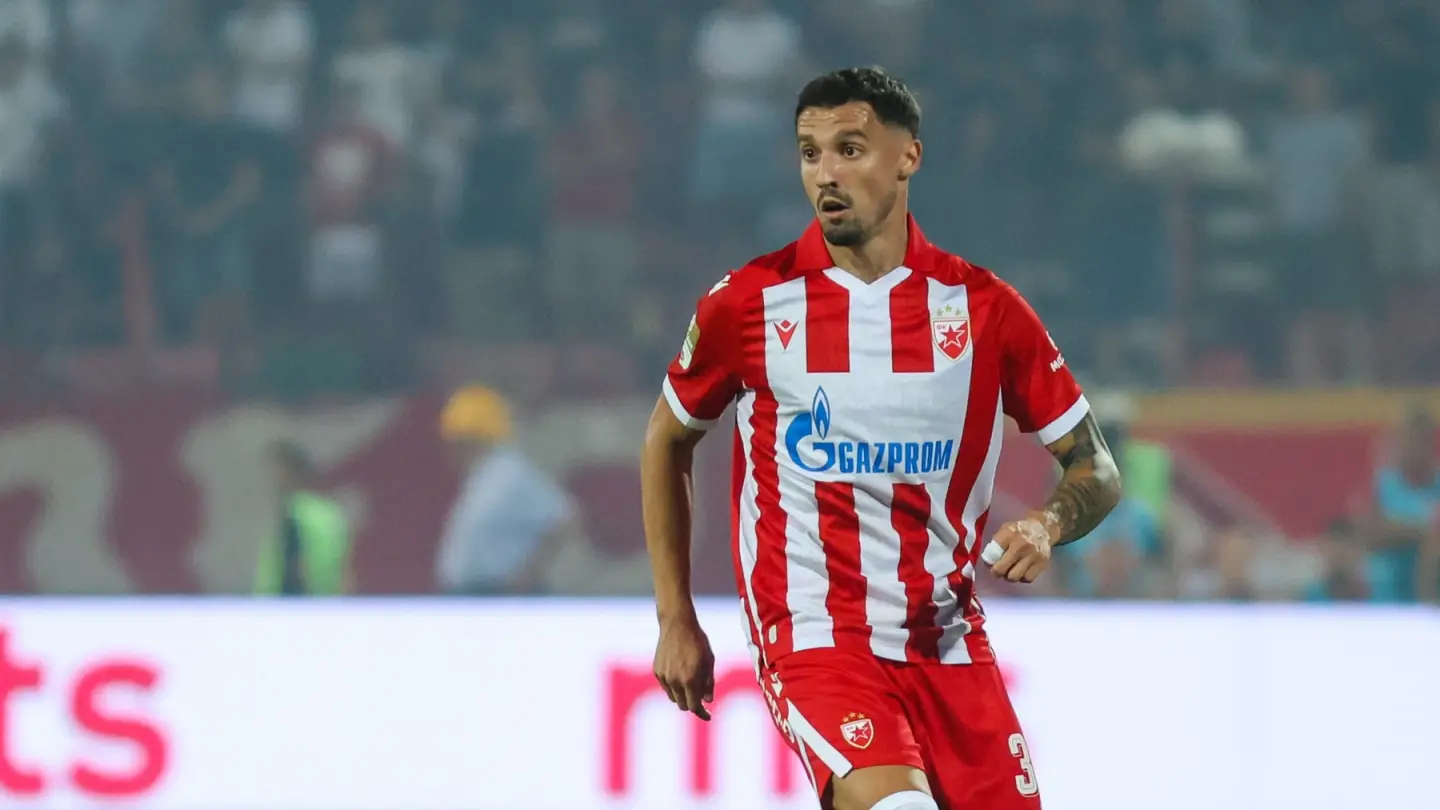
Red Star Belgrade have confirmed that Rade Krunić is likely to be out of action for around four weeks. The midfielder was hurt during the 180th Eternal Derby, which Red Star won 2:1 against Partizan at the Rajko Mitić Stadium. He began the game and came off in the 57th minute. The club called the injury a minor one, yet the layoff spans several September commitments and requires a new allocation of roles in the middle of the park.
The club has set a clear recovery timeline
Red Star’s statement points to a minor injury and a stoppage of roughly four weeks. That estimate gives the coaching staff and supporters a framework, though it stops short of promising an exact return date. Recovery depends on further examinations and on how the player responds to a gradual increase in load. The timeframe marks the start of the process rather than permission to skip the final checks on movement and contact.
The substitution protected both player and side
Krunić left the pitch in the 57th minute, allowing Red Star to see out the derby with a player still able to match the required tempo. Playing on through pain alters a player’s movement and can overload another part of the body. A timely decision also gives the medical team a clearer basis for assessment. The importance of the fixture did not remove the duty to look after the rest of the season.
| Detail | Confirmed information |
|---|---|
| Player | Rade Krunić |
| Club | Red Star Belgrade |
| Injury | During the 180th Eternal Derby |
| Expected break | Around four weeks |
| Substituted | 57th minute |
Duties in midfield must be shared
Krunić brings experience, positional sense and a reliable release of the ball. His absence does not mean one team-mate has to copy every part of his game. One midfielder can shield the space in front of the back line, another can carry the ball forward, and a third can support the press after possession is lost. A clear division of labour is more dependable than searching for a single identical replacement.
A crowded schedule raises the value of players on the bench
A four-week absence could cover both domestic and European preparation, although the exact number of games missed is not yet settled. Players with limited minutes may receive several consecutive starts instead of brief cameos. Instructions need to stay stable enough to build rhythm. Constant change solves one moment but prevents a new understanding from developing.
Recovery should move through visible stages
The first goal is to remove pain and restore normal movement. Individual work then leads towards the ball, changes of direction, contact and full squad training. Finishing one stage does not automatically confirm the next. Red Star should judge football actions, not merely the number of days since the injury. A controlled final week is worth more than a rushed return followed by another setback.
Communication simplifies the tactical change
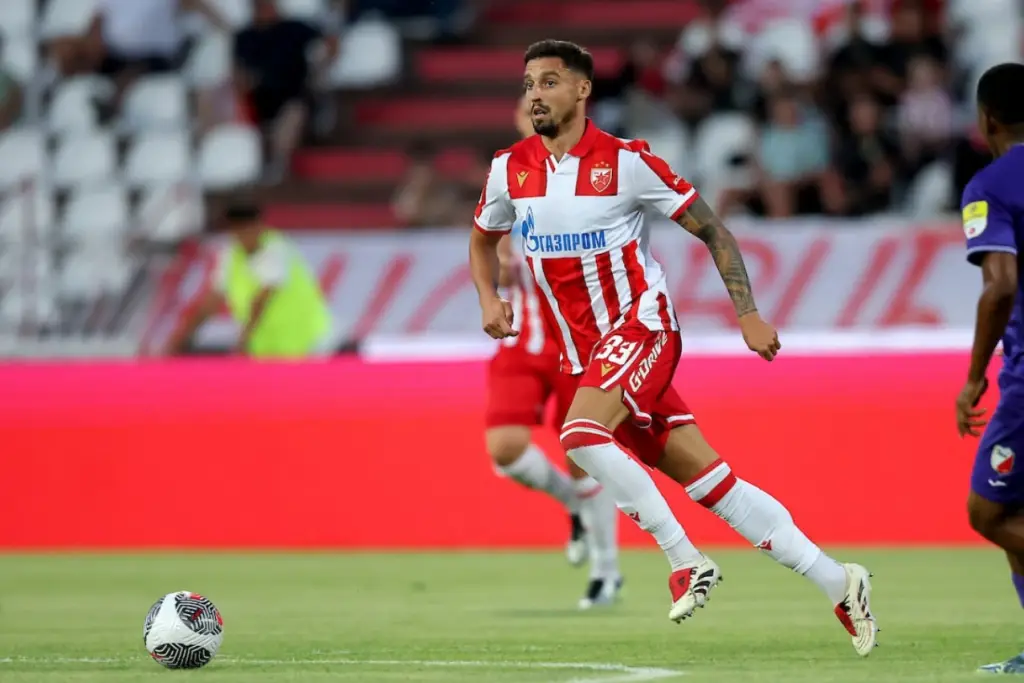
The defenders need to know who offers the first pass, and the forwards need to know who supports them from deeper positions. Those links can be settled in training before a close fixture. The temporary arrangement should not be made more complicated than necessary. If every player understands the first movement after a change of possession, the team can keep its shape while Krunić works apart from the group.
Krunić can stay involved
The injured midfielder can still take part in video sessions and speak with the team-mates taking over his responsibilities. That keeps him connected to the tactical plan and eases his return later on. Taking part must not create pressure to speed up physical work. Understanding stays active, while the medical programme decides what the body can handle safely.
Physical checks should decide the return date
Supporters will count four weeks from the announcement, but the decisive test is full training without compensating for movement. The club has given a reasonable estimate and can revise it if the process demands. Red Star’s immediate task is to keep the middle of the pitch stable. Krunić’s job is to complete each stage so that his comeback brings a fully prepared player.
The first matches without Krunić will give useful answers
The coaching staff does not need to settle on one solution for the entire absence in advance. The first game will show whether the side mainly lacks a secure first pass, control of space or support for the attack. The next choice can then rest on what has been seen rather than on assumption. That approach does not change the core idea after every move, but gradually finds an allocation that keeps the balance while Krunić recovers. When he returns to team training, the same observations will help coaches increase his load and minutes without an abrupt jump.