
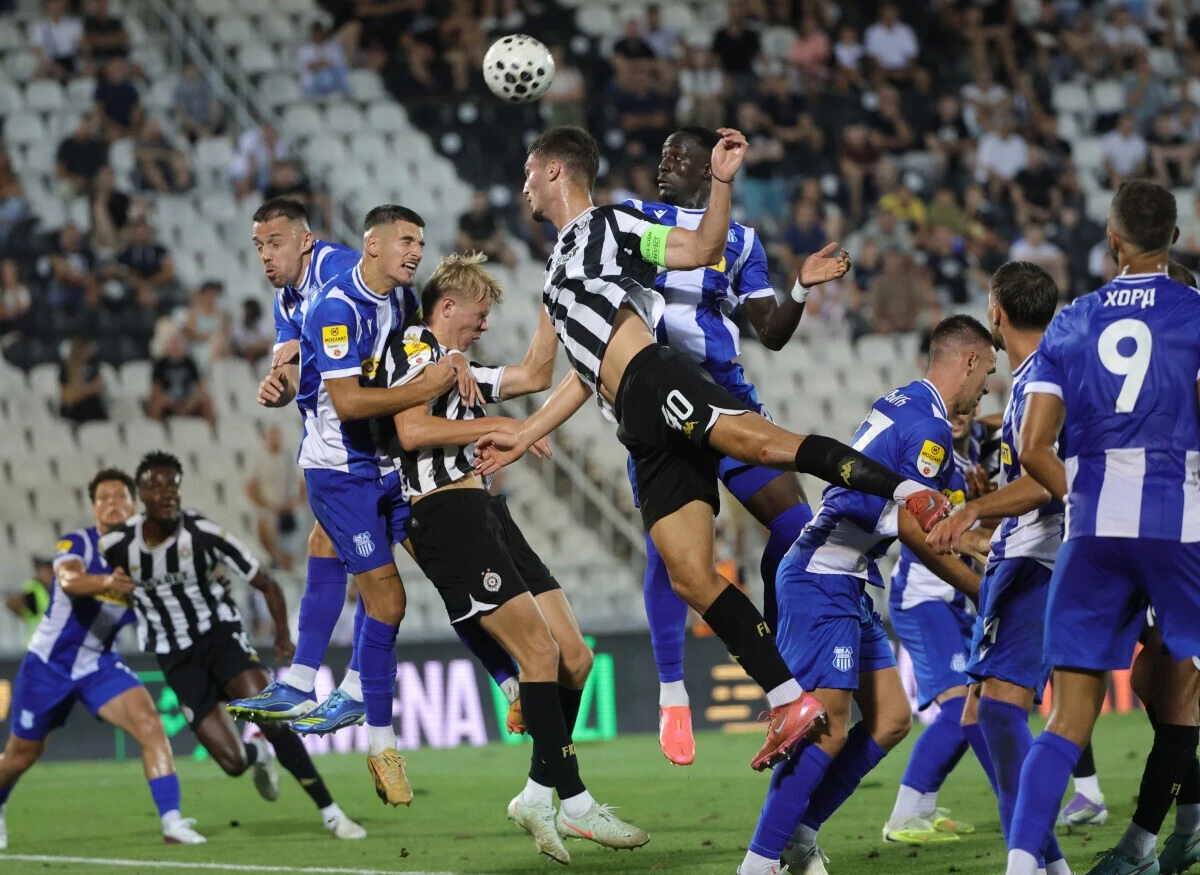
Partizan’s youth team beat OFK Beograd 3:2 in the opening round at Teleoptik. Uros Milosevic gave the hosts the lead in the first half, but the visitors refused to fade and produced a testing finish. The official match sheet records several substitutions, goals after the break and late cards. For a young squad the result is important, yet the experience of handling shifts in the match is more valuable still. Partizan had to build a lead, answer when OFK threatened and see out the final minutes without losing their core structure.
Milosevic gave the side its first secure foothold
Uros Milosevic scored in the first half and let Partizan play from ahead. A goal does not automatically settle a youth fixture, because the tempo shifts quickly after the restart. The hosts had to judge when to press and when to keep the ball and make the opponent do the running. The scorer was later taken off during a large group of changes, so the attack had to keep its connections without the player who had made the first goal. That kind of change shows how well these young footballers understand their roles, not just a single moment of quality.
OFK forced the leaders to solve a new match
The visitors did not let the early lead become a calm evening. Their response demanded that Partizan’s defence and midfield both close the centre and stay available for the first forward pass. After conceding, or after losing a lead, young teams often start sending long balls without a plan. This game offered a more complex test, as both the score and the mood changed in the second half. Organisation at moments like these is worth as much as a fine attacking move.
| Detail | Value |
|---|---|
| Competition | Youth League, round one |
| Venue | SC Teleoptik, Zemun |
| Result | Partizan 3:2 OFK Beograd |
| Half-time | Partizan led 1:0 |
| Attendance | 150 |
A large number of changes altered the balance
Around the hour mark Partizan brought on several new players, and later made one more change. Coaches in youth football manage workloads this way and test players under real competitive pressure. Replacements, however, must know their jobs immediately. A fresh winger cannot help if the midfield no longer controls the ball, and a new defender cannot calm the game if the first press leaves too much space. The footage will show how quickly the reshuffled line got its distances right.
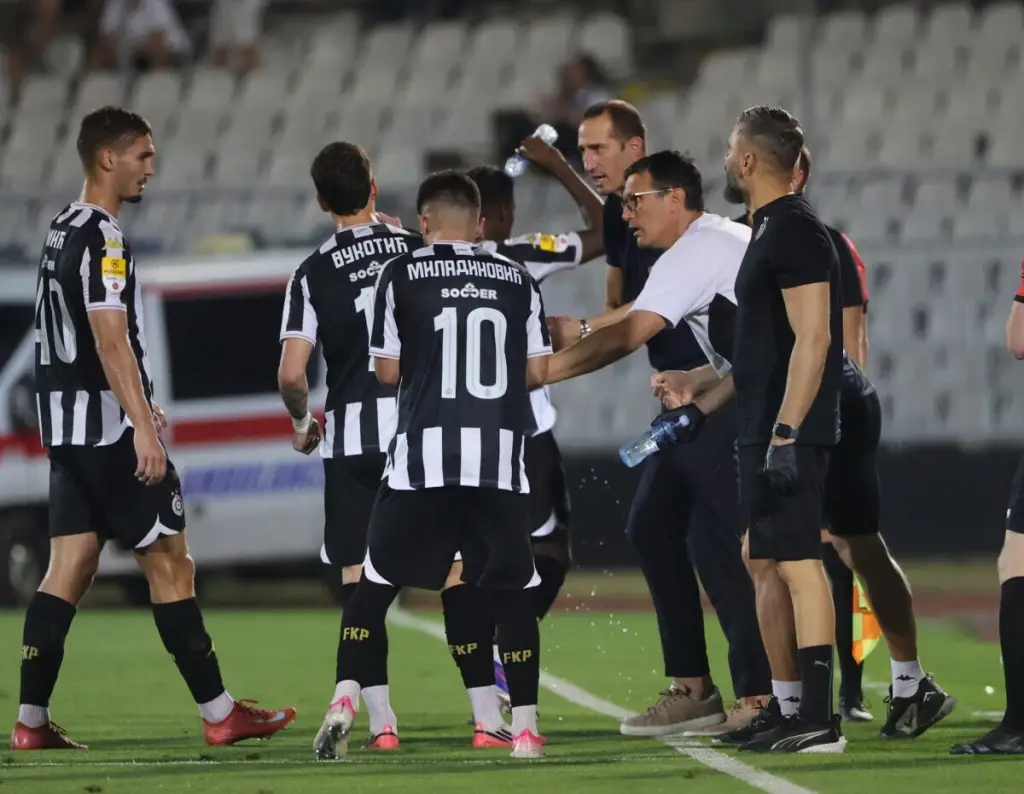
The final minutes called for calm decisions
Late cards and a margin of just one goal made the finish demanding. The safest option is not always a hopeful punt into nowhere. A side can protect itself with a short release, a forced foul or by shifting the ball towards the corner with two players in support. Young footballers need to experience these choices before they reach senior level. Partizan completed the task, but the review should establish whether control came from a repeatable plan or from a series of urgent clearances in front of their own goal.
The first round sets the initial benchmark
One win does not define a season, but it gives coaches a full competitive sample after pre-season work. They can compare the original idea with how the team behaved after the substitutions and after OFK’s goals. A technical error without pressure is not the same as a poor pass while escaping an organised press. When each mistake is linked to the situation in which it happened, a player receives a clear next task rather than a general message to be better.
OFK also takes useful lessons from the defeat
Two goals away from home show that OFK could unsettle the hosts and stay in the contest until the end. The next step is to establish why Partizan reached three goals: whether the problem began with the first press, the defence after a lost ball or the positioning inside the penalty area. The visitors should not discard what they did well in attack. They need to support it with earlier recognition of danger and a safer first touch when they win the ball.
Development and result belong to the same match
Youth football prepares players for senior level, and the pressure of a real result is part of that preparation. Partizan’s generation experienced a lead, a response from the rival and a tight finish in one game. Coaches can now ask players first why they made certain decisions, and only then offer a solution. That kind of conversation builds accountability and helps carry the lesson into the next round. Three points are an immediate reward, while a better grasp of how the game changes is a longer-term gain.
The next training session should be tied to real moments
The best follow-up to this analysis is not a general call for more concentration. A coach can isolate the exit from the first press, the distribution after a lost ball and the final three minutes with a lead. Players then repeat similar situations with clear touch counts and space. In this way the match footage becomes habit. A young footballer remembers why he stands in a particular position more easily once he has seen the consequence of a good or poor position in a game that had a result and a crowd.