
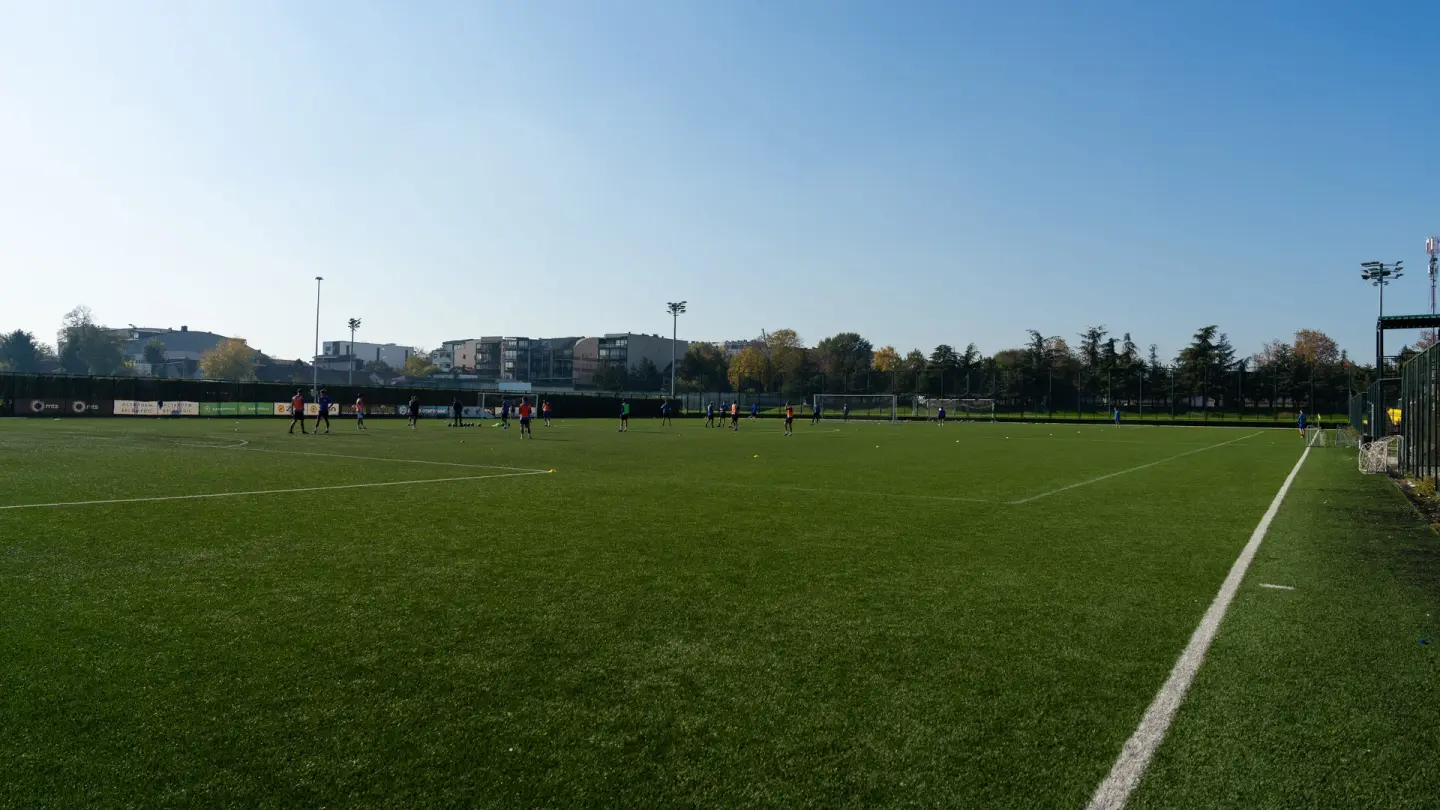
Partizan will host Moscow’s Rodina on Sunday, 27 September, kicking off at 15:00 at the refurbished Zemunelo sports centre in a friendly. The match arrives at a point when the coaching staff can distribute minutes and assess players away from the everyday pressure of the league.
The friendly has a clear purpose
The scoreline still matters as far as seriousness goes, but the real value lies in testing roles that are hard to try out during a competitive league fixture.
The manager can pair experienced players with younger ones and watch how they respond, without a lengthy build-up to one particular opponent.
The core facts of the Partizan v Rodina friendly are straightforward: the game is set for 27 September at 15:00 at Zemunelo. Any assessment that starts from a different premise easily blurs what actually happened with what might follow. The safest conclusion remains the one that the source and the visible result confirm. Later information may widen the picture, but it should not overwrite a confirmed fact simply because a more dramatic reading sounds more appealing.
A final check on the Partizan v Rodina friendly should separate the confirmed outcome from what still needs watching. The source confirms the event itself, while later reporting will show how far its wider effects extend. That distinction keeps the conclusion precise and stops one unclear detail from changing facts already established. It also leaves room for later additions without suggesting the current account is unfinished.
Zemunelo becomes a competitive venue again
The renovated centre gets a fixture that can show the quality of the pitch, the logistics and the conditions for both fans and teams.
A good setting is more than a cosmetic detail, since a stable surface has a direct effect on passing speed and player safety.
The main advantage of the Partizan v Rodina friendly is that the coaching staff can spread minutes around and examine a wider group. Its worth shows up in concrete decisions rather than broad promises. A useful advantage opens up another realistic option, leaves time to react and stays easy to follow under pressure. When it repeats across several similar situations it becomes part of a reliable pattern; if it appears only once, it is a good sign but not conclusive proof.
A reliable reading of the Partizan v Rodina friendly needs connected evidence. A single result can confirm the following: the game is set for 27 September at 15:00 at Zemunelo. The next check has to follow how the side behaves at different stages, not just the final score. The conclusion is stronger when the main advantage stays visible: the coaching staff can spread minutes around and look at a wider group. The risk should not be ignored either: unplanned minutes can add fatigue without yielding a useful conclusion.
| Item | Detail |
|---|---|
| Opponent | Rodina Moscow |
| Venue | Zemunelo Sports Centre |
| Kick-off | 27 September, 15:00 |
| Type of match | Friendly |
Minutes need to be planned in advance
Players carrying a heavy workload should not be exposed to unnecessary risk, while squad players can play a longer spell and show consistency.
The most useful test comes when each line-up gets enough time to settle its shape, not just a brief closing stage.
The most important risk in the Partizan v Rodina friendly is that unplanned minutes can add fatigue without yielding a useful conclusion. That weakness starts to bite before the final whistle, quietly reducing the options available. A rushed fix often creates a second problem and makes the original cause harder to find. A calmer analysis pinpoints the moment control was lost, checks what support is available and changes only the part that failed to work.
Rodina bring a different style
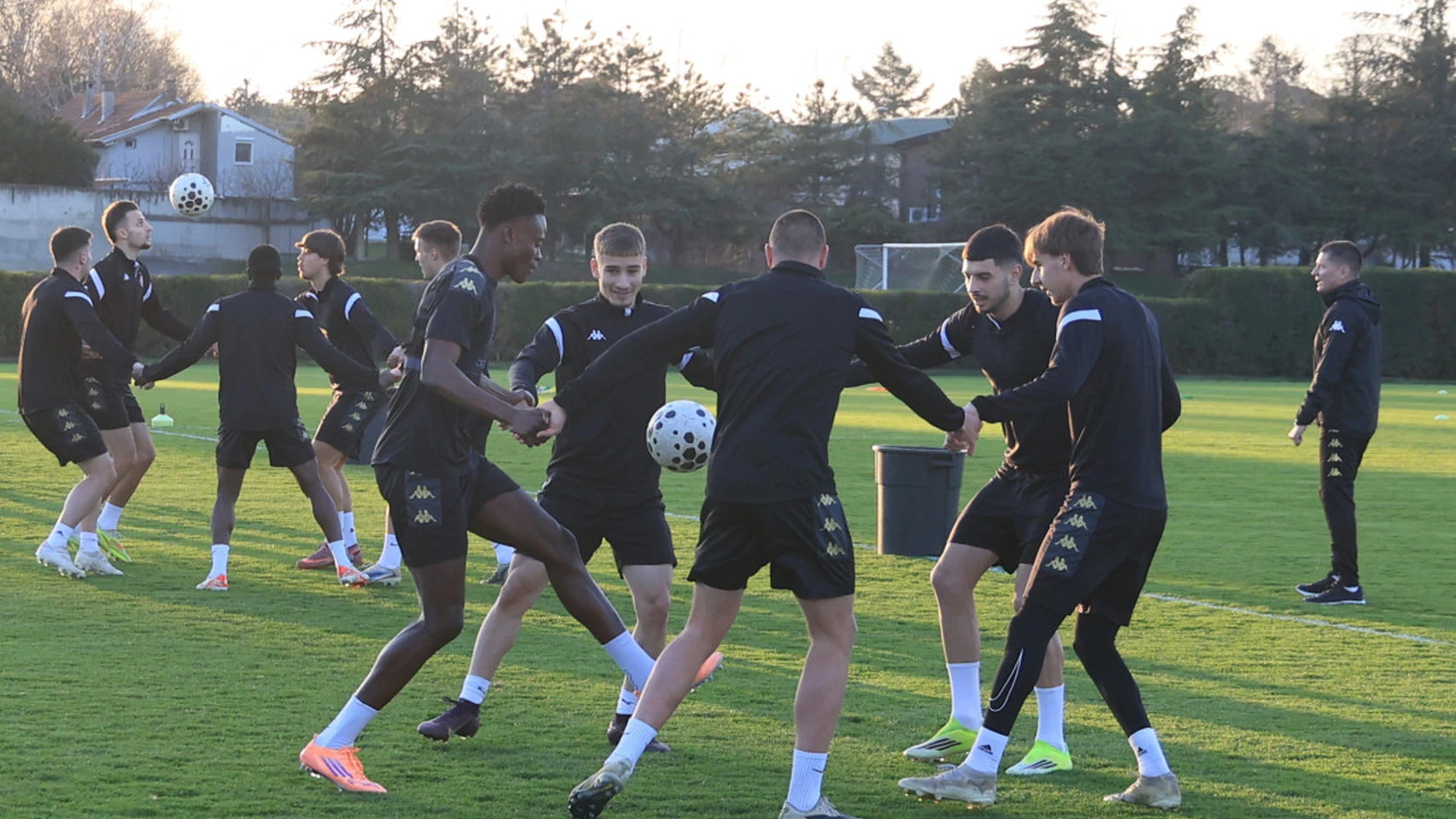
An international opponent can set a different rhythm and level of pressure from the sides Partizan meet regularly in the Superliga.
That difference helps the coaching staff check whether the team’s core principles hold up when the opposition does not follow a familiar pattern.
The practical answer for the Partizan v Rodina friendly is this: each line-up needs a clear role and enough time to carry it out. The order matters: first check the starting position, then carry out the intention, and only then judge the immediate result. That approach does not guarantee success, but it makes the outcome easier to explain and repeat. In this way a single specific weakness does not trigger an unnecessary change to the whole plan.
Fans get the chance to see a wider picture
A friendly often gives room to players waiting for a bigger role, so supporters can judge their progress in a real match.
The final verdict should still rest on decisions and movement, not on one goal or a single mistake in an isolated moment.
The clearest yardstick for the Partizan v Rodina friendly will be how the side behaves across different phases, not just the result. One striking moment cannot answer that question, since it may depend on good timing, a favourable duel or an individual error. Several similar situations show which part holds up and which weakens when conditions change. A consistent pattern supports the conclusion, while a sudden drop points to a phase that needs the next correction.