
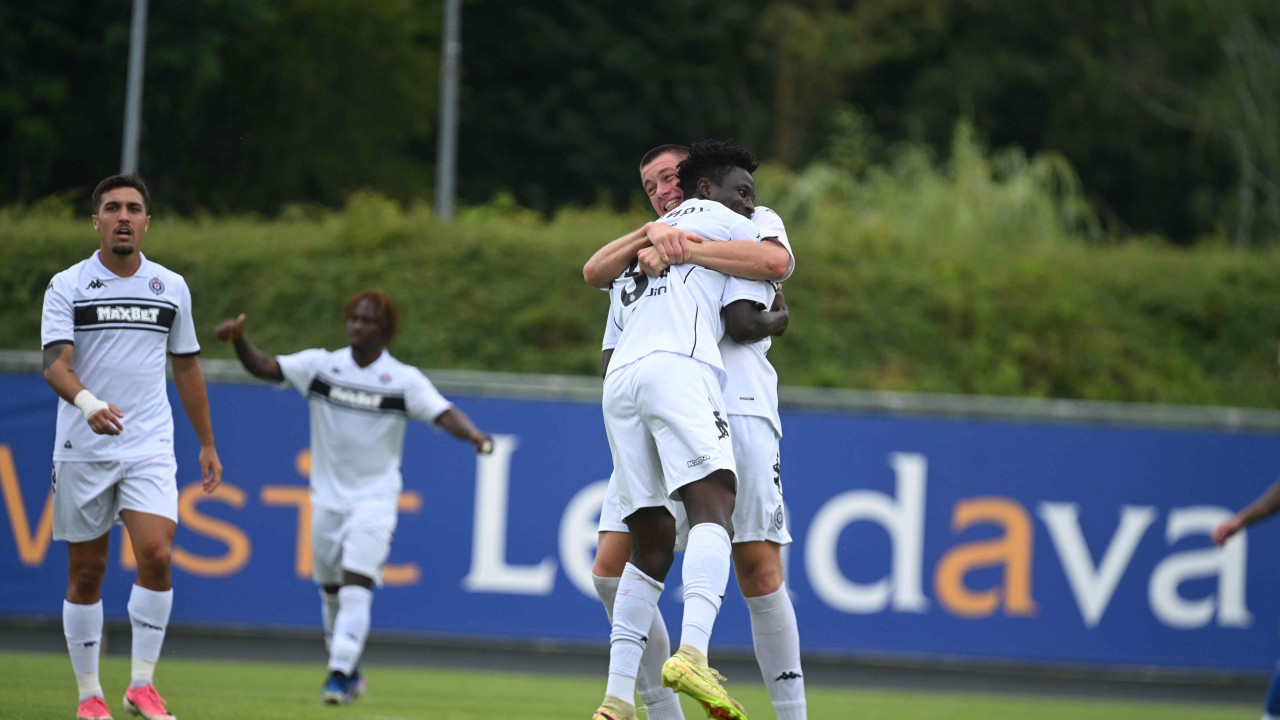
In the second round of the Conference League qualifiers, Partizan will face UNA Strassen of Luxembourg. The first leg is set for 23 July at Humska, with the return fixture seven days later. Knowing the opponent lets the Belgrade club replace a broad report with a precise plan.
Partizan host the first leg and will probably enjoy more of the ball. UNA will try to block the middle and wait for a careless pass. Free kicks and corners could be the visitors’ best chances. Partizan must use the full width of the pitch and stay ready to defend a quick counter.
Humska must build pressure without rushing
Partizan are expected to have more possession in the first leg. What follows the opening safe passes matters most. If the play stays slow and narrow, UNA can pack the edge of the box with many players. Switching the play across the whole width forces the defender to step out, which opens space for a run behind him.
The crowd will react to early attacks, but every forward pass needs support. A winger who can win a corner against two defenders is useful, but that cannot be the only pattern. A full-back can overlap the winger, and a midfielder can receive between the opposition lines. A striker can then change position. Such movements create better chances than constant crosses from the same spot on the flank. The return leg is played exactly seven days after the match at Humska. Partizan may adjust their second-leg plan to the first result, but must not hand the rival an easy chance. A match without conceding would remove one source of confidence for UNA.
Preparation results offer useful signals
Partizan’s 4:1 win over Nafta brought four goals and valuable competitive minutes. A result like that helps confidence, especially when the forwards see different combinations working. The European test will still be harder, because UNA can devote the whole evening to shrinking the space and protecting an acceptable scoreline.
The most useful part of the preparation is therefore not the final tally. More important are the speed of decision-making, the reaction after losing the ball, and the ability to repeat sprints. These elements carry over more easily into the qualifiers. Partizan need the same clarity when a first chance goes begging and their opponent keeps sitting deep.
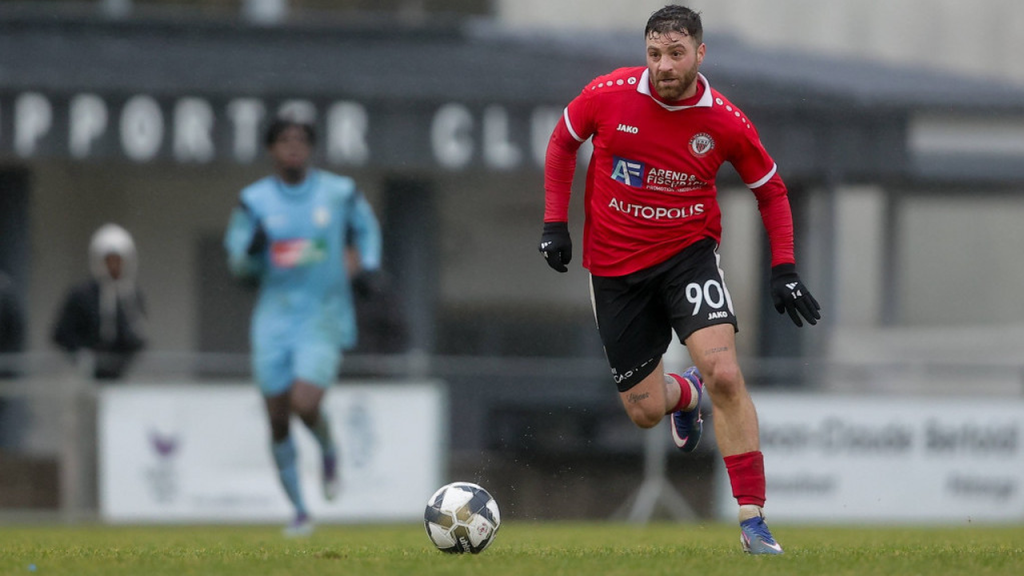
UNA Strassen player during the Conference League qualifiers
UNA’s patience can turn into attack
A side expecting a long defence often waits for one careless pass rather than trying to control possession. UNA can turn that moment into a direct run, a breakaway close to the penalty area, or a corner. Partizan’s deepest midfielders and centre-backs must stay connected while the full-backs push forward.
Protection behind the ball is the quiet side of a home attack. Two or three well-placed players can stop a counter before it gains pace and return the ball forward at once. If that shape disappears, Partizan may become cautious after the first warning sign. Solid defending gives more freedom in attack.
| Signal | Meaning |
|---|---|
| Tie | Partizan – UNA Strassen of Luxembourg |
| First leg | 23 July at Humska stadium |
| Return leg | Seven days later in Luxembourg |
The central corridor demands movement
The European tie also depends on the squad work described in an earlier piece on planning Partizan’s midfield. That article covers the second midfield decision Partizan face.
UNA will try to close the space between their midfield and defence. A Partizan forward can drop towards the middle and draw a defender with him. A midfielder can then run into the vacated area. These movements must alternate so that team-mates do not crowd the same zone.
One-touch play helps once a gap appears, but it need not be forced in every possession. Sometimes an extra touch pulls a defender far enough away. The next player then stays free. Partizan should not attack at the same pace for the whole match. A side defending close to its own goal is suited to an attack that never settles into one rhythm.
Free kicks and corners could decide a cautious match
Partizan should expect many players near the penalty area and more blocked attacks. Corners and free kicks will follow. Every wide delivery into the box needs a clear target. The other players should wait for the rebound. A poorly taken free kick or corner can start a quick UNA counter, so part of the side must stay back in defence.
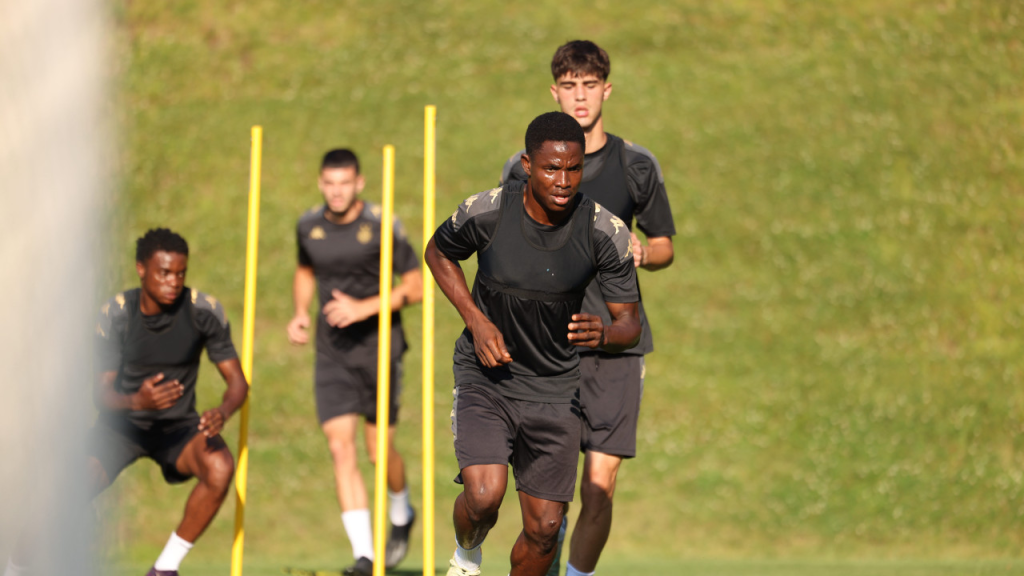
The Partizan squad during the summer 2026 pre-season camp
Defending the same set-piece situations demands focus before the first contact. The Luxembourg side will only need a small opening if they send their tall players into a pre-selected zone. Partizan have to track the runners, attack the first ball and move together once the clearance comes out. A single player who stays deep can pull the entire group under pressure.
The first goal reshapes both legs
If Partizan take an early lead, UNA must decide whether to push forward or protect a narrow deficit. Partizan should stay patient. Holding possession for longer can create a better chance than a rushed, heavy shot.
If Partizan fail to score early, they have to stick to the same plan. Nerves can drag players out of position and produce heavy individual shots. The side should look for the pass into the forward, win the rebound and quickly halt UNA’s fast breaks.
The bench should change one detail
A qualifier can slow down physically in the second half, especially when one team has been defending deep for an hour. Freshness helps, but the type of substitution matters. A winger who attacks the flank, a post player who holds the ball under contact, or a midfielder who passes earlier each solve different problems.
Partizan must also shield key players from unnecessary risk if they control the result. The return leg comes in seven days, and the domestic fixture list runs alongside Europe. Managing minutes does not make a two-legged tie any easier. It is part of preserving enough strength for every phase of it.
Luxembourg demand another professional night
Whatever the scoreline in Belgrade, Partizan must travel to the return leg with a complete plan. A lead can disappear if the team plays only to protect it. A level scoreline does not call for panic. An away performance requires the same secure passing and defensive shape, adjusted for an opponent who may take more initiative at home.
Partizan play at Humska on 23 July, and the return in Luxembourg follows seven days later. The opponent is confirmed, so coaches can prepare a detailed plan. They can study how UNA start their attacks, take free kicks and set up their defence. The players must turn that information into clear decisions.