
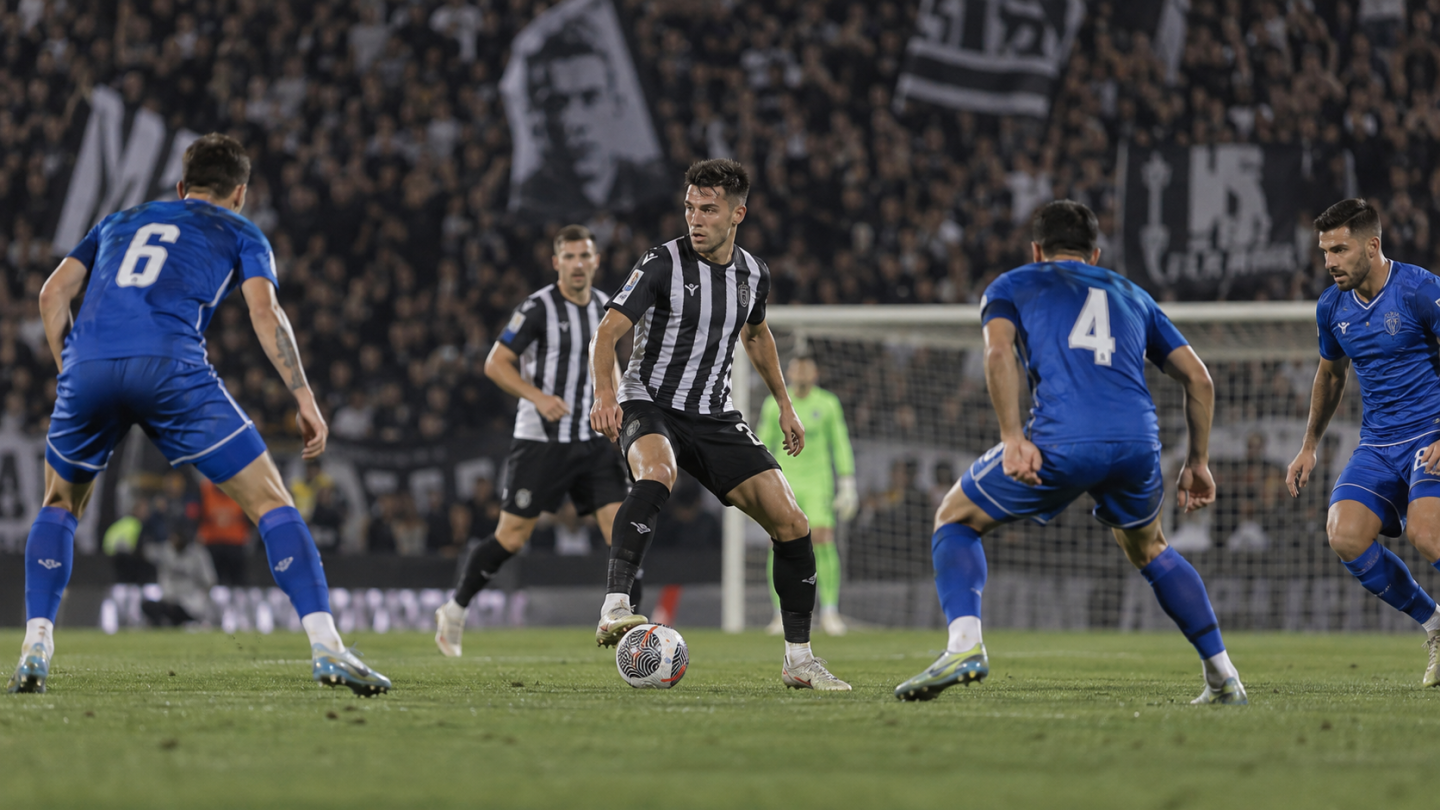
Partizan and Novi Pazar meet on 10 October in Belgrade as part of Round 11 of the Serbian SuperLiga. The confirmed date, result and line-up give a solid base, while any forecast should be kept separate from what has already happened. For readers, the most useful thing is to see at once the reason for the match, the key change and the first next test. That keeps the report clear even if circumstances shift later, and lets the judgement be checked on the pitch. For that reason, the next official update should confirm the consequence now flagged as decisive.
Partizan will probably have more of the ball, while Novi Pazar may guard the centre and look for a way out through the wings. The difference shows most clearly in the process: who sets the terms, who has to give ground first, and how quickly a correction arrives. Two similar scorelines can come from very different quality of play. The analysis therefore looks for a cause that can be repeated, not an explanation built only on the last move. That kind of reading gives the reader a basis for understanding both the result and the decisions that led to it.
Partizan must spread their defence without rushing
The hosts need to shift the block by switching the side of play and bringing in a full-back, while the visitors want the first pass forward after winning the ball. The plan has to be clear enough to carry out under pressure. The first option should use the biggest advantage, and the backup must answer the reaction the opponent is most likely to make. Adding new tasks without a clear reason slows the decision; a good adjustment changes only the part that is not working and keeps what already produces results. Execution is then judged by the clarity of the decision, the speed of reaction and the quality of position after the attempt.

Risk rises when both Partizan full-backs stay high and a lost ball arrives without pressure on the passer. Managing that risk decides how long the plan can survive. A neutral outcome sometimes preserves position, energy or possession for a better chance, while forcing the issue without preparation opens the door to a counter. The balance between gain and danger shifts with time and the score, so the same decision is not equally sound at the start and at the end. The true measure of discipline will be how many dangerous moments are spotted before they turn into damage.
Novi Pazar wait for a slip in the first build-up
What matters is entries into the penalty area, rebounds from the flanks, lost possession and the number of visiting transitions with three players. These figures make it possible to test a conclusion after the event. The final score shows the outcome, but only a comparison period by period reveals where the advantage was built and whether it can be repeated. It is especially useful to separate the opening plan from decisions made under fatigue, since that is where the stability of technique and the quality of preparation show. If the numbers are read in order, it will be clear whether the change was planned, temporary or accidental.
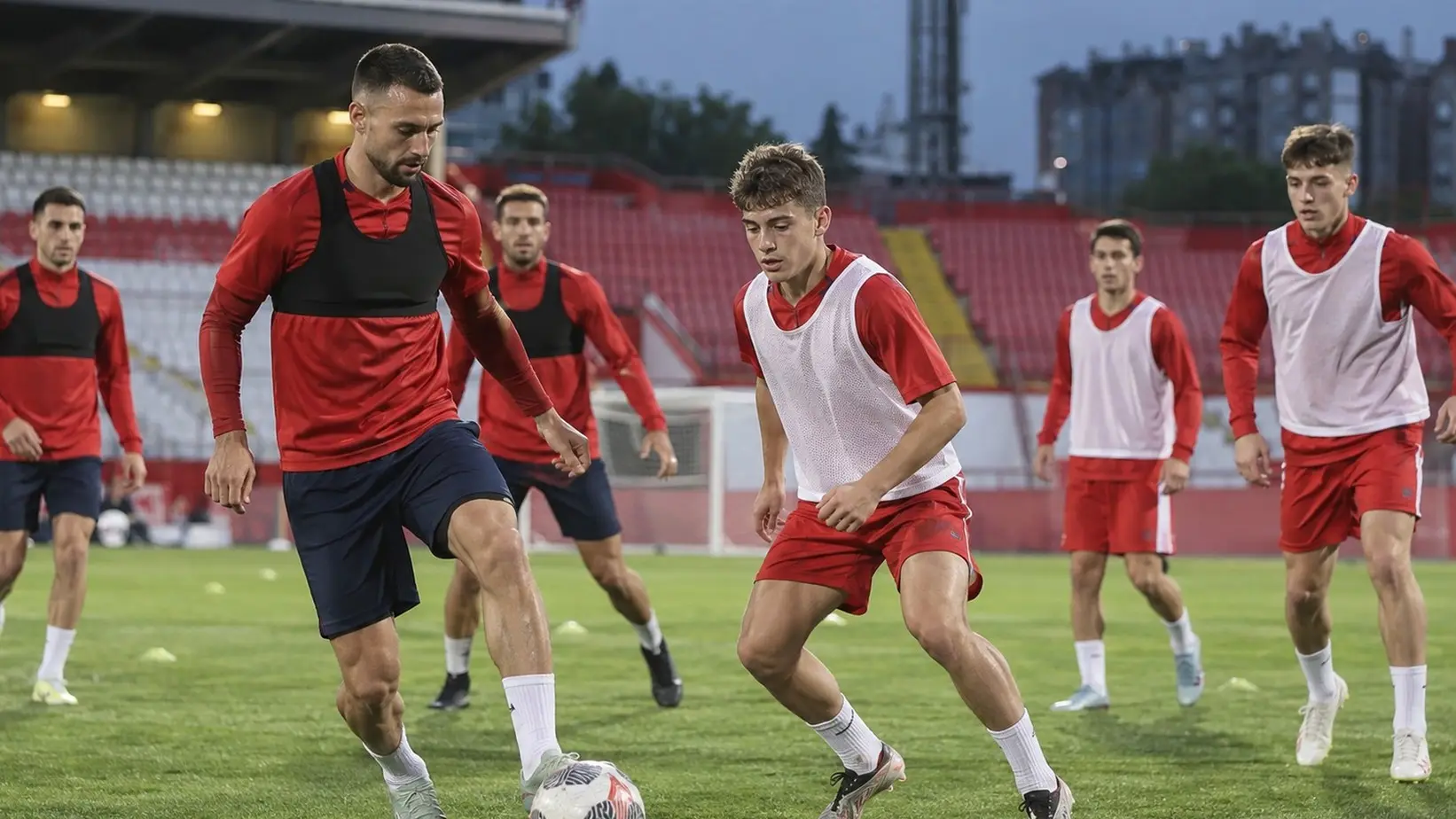
Points affect the position near the top and the rhythm before the next cycle, and Novi Pazar face a big test of their plan away from home. The significance does not end with the last point or decision. A good performance opens a new opportunity, but consistency is what confirms the change can hold. A weaker result can still be useful if it produces two or three precise tasks. A broad overhaul of everything usually hides the real cause and makes the next check harder. That follow-up gives today’s news lasting value and links the immediate outcome to the next realistic goal.
Partizan have several ways to organise their attack, but they must use them patiently and with protection behind the ball. The conclusion therefore has to remain tied to the evidence currently available. The best next check uses the same control points under different conditions, so it becomes clear what belongs to quality and what to circumstance. Repeating a good pattern against a new demand gives the assessment more weight than a single striking move. For that reason, the final judgement should only be updated once a new comparable data point from the official fixture arrives.