
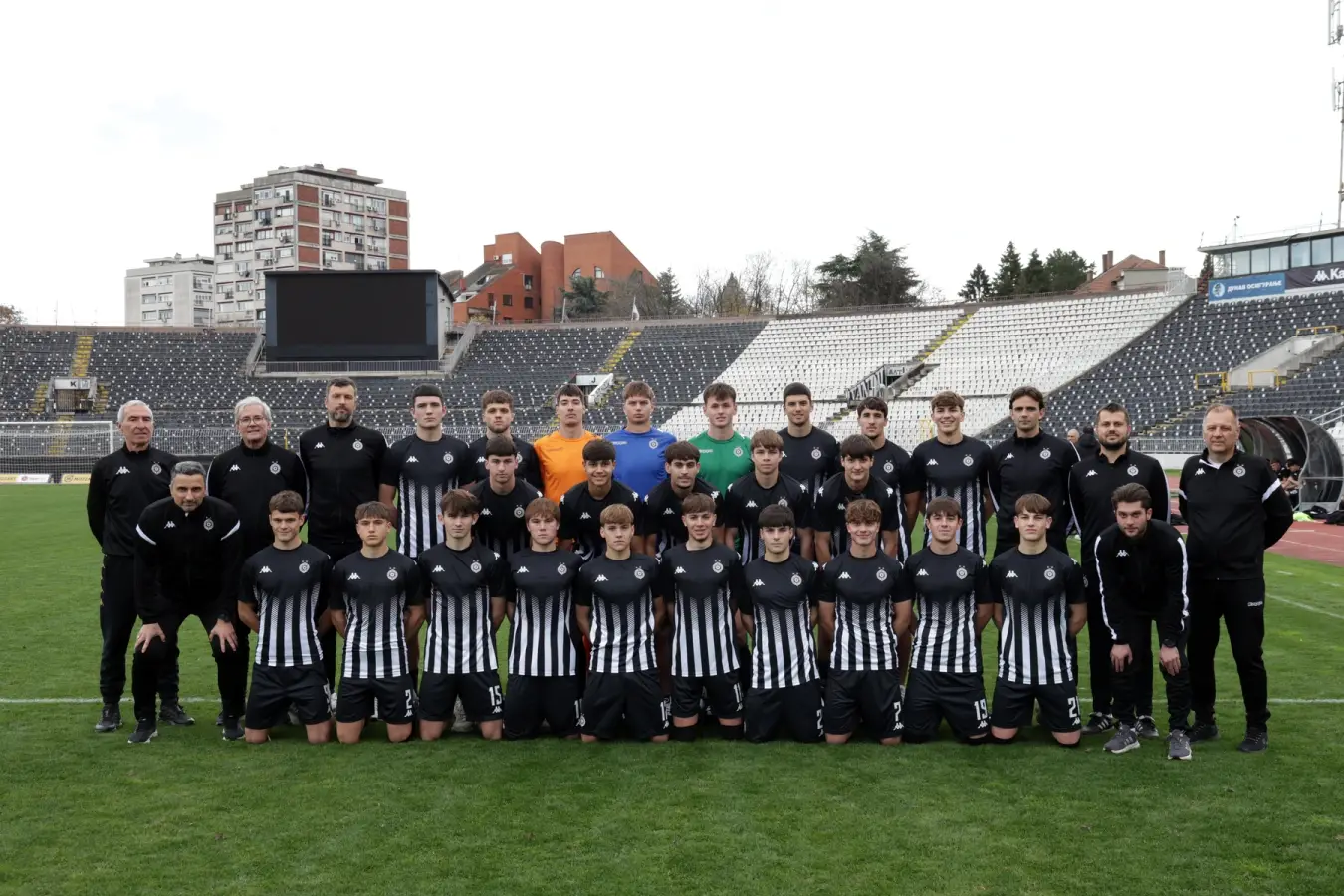
Partizan’s cadet side beat Zeleznicar from Pancevo 3:1 in round five of the Serbian Cadet League at SC Teleoptik. David Stamenic opened the scoring in the 20th minute, Stefan Ristic doubled the lead in the 35th, and Milos Antic pulled Zeleznicar back into the game just before the break. Aleksa Duljaj’s goal in the 90th minute settled a result that remained open for most of the second half.
Partizan built their lead in two steps
Stamenic gave the hosts their first goal in the 20th minute, and Ristic added the second fifteen minutes later. A two-goal cushion can tempt a young side into rushing forward or leave a wide gap between midfield and defence. Partizan had to keep their shape after both goals. The home team made the most of their better spell, but the match was far from decided by the time the players went in at half-time.
Zeleznicar’s reply brought the uncertainty back
Antic struck late in the first half, giving the visitors a genuine chance of an equaliser when the second half began. For Partizan, the goal was a warning that the tempo of a cadet match can change quickly. The home players needed to close the middle of the pitch more tightly and stop another direct move before the break. One conceded goal did not undo a good start, but it changed the task for the second half.
| Match detail | Confirmed information |
|---|---|
| Competition | Cadet League of Serbia, round five |
| Half-time | Partizan led 2:1 |
| Final result | Partizan won 3:1 |
| Partizan scorers | David Stamenic, Stefan Ristic and Aleksa Duljaj |
| Venue | SC Teleoptik, Zemun |
The rest of the match became a test of control
There were no goals between the break and the 90th minute. That long stretch showed that Partizan could protect a narrow lead without turning the game into an open exchange of chances. The home side had to choose when to attack and when to slow the next move down. Zeleznicar stayed close enough to threaten an equaliser, so every lost ball carried weight. Control came from good positioning and sound decisions.
Substitutions brought energy without losing shape
Both coaches made changes during the second half. Partizan refreshed their side while protecting a one-goal lead, and Zeleznicar sought more attacking force. In the younger age groups, substitutions serve development, but the competitive moment still matters. A player coming on has to know immediately whom to track, which space to close or which run to offer. The stable scoreline suggests the changes did not fully disrupt either side.
Duljaj’s goal confirmed work already done
Aleksa Duljaj scored in the 90th minute. The goal gave Partizan a safer finish, but the win was not built on the final action alone. The home side had already held a 2:1 advantage through the most delicate part of the match. The late strike rewarded their patience and removed the last chance of a late equaliser. The attack kept looking for a clean opening without abandoning defensive balance.
The result and development need to be read together
A league win matters, but a cadet side is also preparing its players for a higher level. Coaches will look at how Stamenic and Ristic handled the closing stages, how the defence responded after Antic’s goal, and how the group coped with a tight finish. It is possible to praise the outcome and still identify decisions that an older or quicker opponent would punish. Development shows when the same correction appears in the next match.
Zeleznicar have material for a useful review
After their goal, the visitors stayed in the match for much of the second half. They can analyse the spells when Partizan failed to extend their lead and identify what gave them stability at those moments. The third goal they conceded should be separated from their earlier play. A team learns more by pinpointing the exact moment the pressure eased than by labelling the whole second half a failure.
Figures should not replace explanation
Partizan won 3:1 after leading 2:1 at half-time. The numbers are clear enough in the introduction and the table. What matters more is the hosts’ early plan, Zeleznicar’s response, the calm period after the break and Duljaj’s final action. That order explains how the match developed and avoids turning four goals into a list of unconnected results.
Player development remains more important than the standings
The cadets protected their lead and kept looking for a third goal. That balance matters in the younger age groups, because passive defending after taking the lead does not develop all the solutions players will later need. Coaches can review the midfield’s support and the choice of the final pass. A win gains its full value when good decisions become habits rather than just a line in the table.