
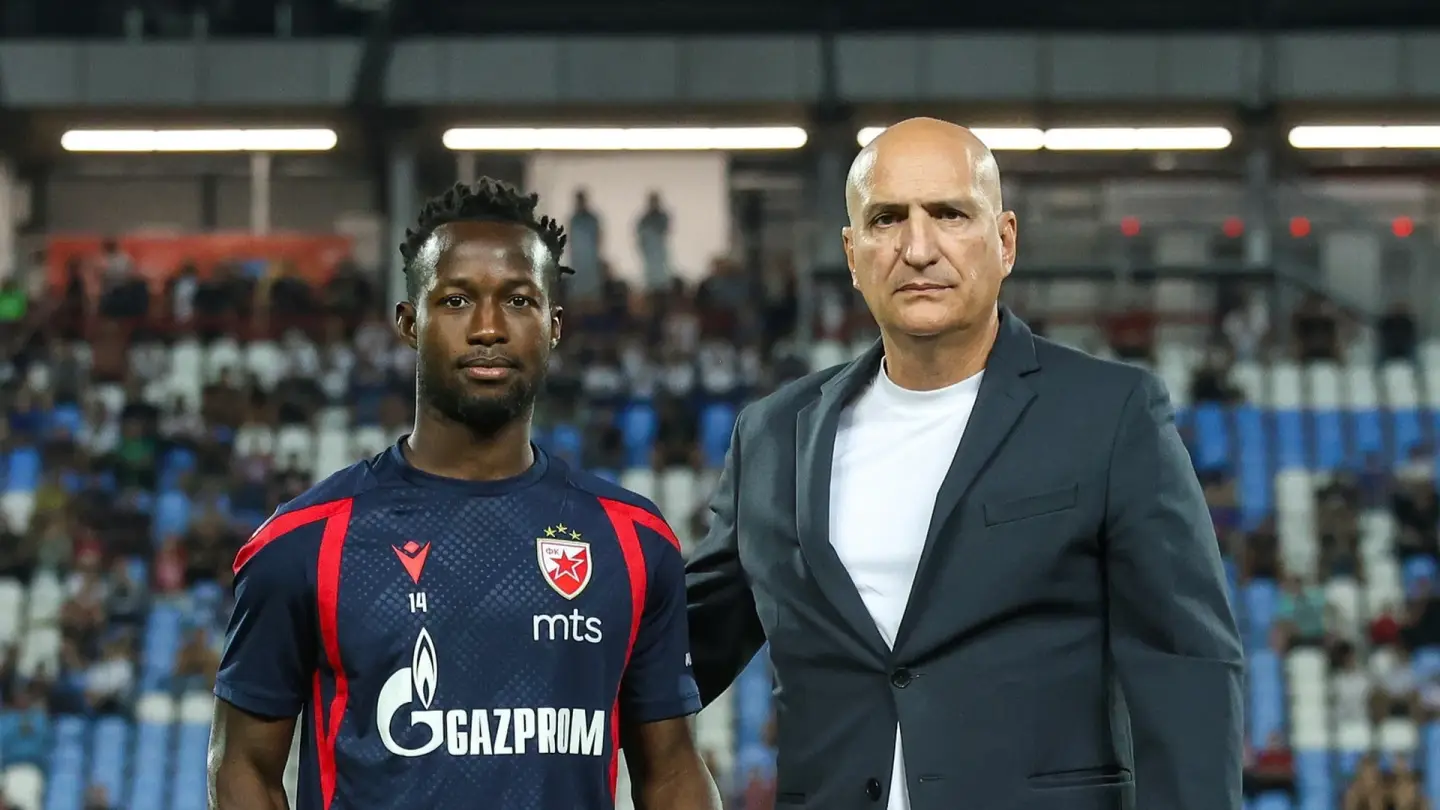
A milestone that links two different chapters
The 100-match mark brings together domestic fixtures, derbies and European nights across two spells. Bukari got there by filling several attacking roles rather than repeating a single type of run.
Thirty goals is the second figure that stands alongside the appearance count. It reflects direct output, though the space he creates when a defender is forced to turn towards his own goal matters just as much.
Acceleration is most dangerous when the movement begins before the pass is played. A well-timed curved run holds the offside line and pulls the defender’s eyes away from the ball.
Returning to Belgrade shortens the period of tactical adjustment. Bukari already knows much of the pressing and transition work, so training can focus more quickly on combining with the current full-back, midfielder and striker.
A winger cannot repeat the same outside run in every attack. Receiving to feet and releasing the ball to a player from the second line keep the value of his speed for the moment the space genuinely opens.
European matches test the quality of the first decision in particular, because opponents guard depth more carefully. A calm touch or a return pass can be worth more than trying to race past a second marker at full speed.
Speed pays off when a good decision follows
The jubilee shirt acknowledges work already done, including derbies and Champions League evenings. The current squad nonetheless asks for a fresh contribution through pressing, the final pass and recovery after losing the ball.
Bukari reached the milestone during his second spell at the club, which gives the number extra weight. Between the two spells coaches changed, several team-mates moved on and the way Zvezda builds attacks evolved. His core strength stayed the same, but he had to fit it into a different arrangement on the pitch.
Thirty goals show he is more than a player who simply stretches the defence. When he starts from a wider position, Bukari can finish on the far post or move into the space between the full-back and centre-half. That variety makes it hard for a defender to pick his position in advance.
His best performances come when the ball arrives at the right moment. A pass played too early can put him offside, while a delayed one lets the opponent turn and close the depth. For that reason, his understanding with the central midfielder often decides how dangerous his pace really becomes.
Against a low block the required contribution is different. There is almost no space behind the defence, so the winger has to receive between the lines, play a short pass and offer himself again. Patience in those situations stops the attack from losing possession needlessly.
The jubilee therefore describes continuity rather than a finished story. Bukari’s experience can be a source of support for new team-mates, but his place in the side will still depend on form and on what each opponent demands.
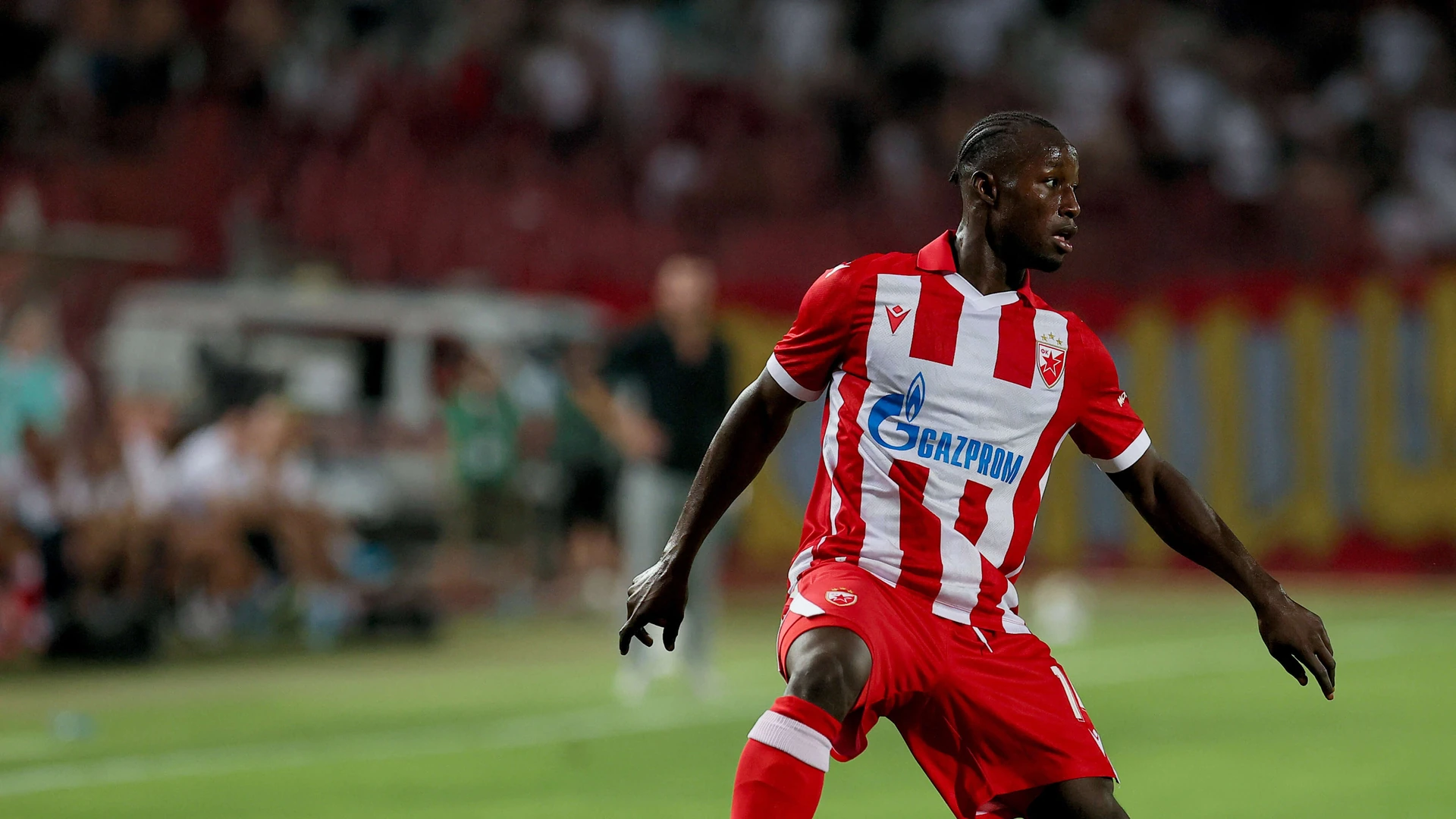
Coming back cuts the time needed to settle
Without the ball, his starting position can steer the opponent towards a harder pass. The sprint then has a clear purpose: closing down the receiver or pushing the next pass into an area where Zvezda has support.
The final action remains the main yardstick for an attacking winger. A run behind the line calls for an accurate cross, pass or shot, and a simple return ball often preserves the move that his speed has opened up.
Supporters can celebrate the round number, but the second spell should be judged on its own terms. New opponents, team-mates and fixture schedules mean that earlier success brings experience rather than a guaranteed place or result.
His link with the full-back determines how often Bukari receives the ball on the move. If the full-back draws an opponent out or offers a pass behind him, the winger can attack without stopping and repositioning his body.
Against a deep defence, patience matters more than sheer pace. A short combination and a switch of play can first shift the block, and only then open the duel in which acceleration gives a real advantage.
The appearance count carries weight because it spans different coaches, roles and competitions. It is precisely his ability to keep his useful qualities in a changing environment that explains how Bukari reached the milestone.
The new spell demands current output
Knowing the club makes communication easier, but it does not automatically solve every task. New team-mates have different habits, and European opponents prepare carefully to close down transitions. Training must therefore align the start of a sprint with the vision and position of the player making the pass.
Defensive duty begins with steering the opposing full-back. Bukari does not have to win the ball every time; it is enough to cut off the inside pass and force the rival towards the touchline. The rest of the team can then compress the space more easily and prepare for the second-ball fight.
One hundred appearances is evidence of longevity, but it should not become a shield against competition. Zvezda’s schedule requires rotation, and a place in the side is earned by repeating useful actions. An accurate final pass, a recovery sprint and a calm decision in the box remain more important than the jubilee itself.
For fans, the number is a reminder of the European nights, derbies and domestic trophies in which Bukari has taken part. For the coaching staff it is a starting point for the next task: making the most of the experience of a player who knows the pressure of the Marakana, while keeping the standards that apply to the whole squad.