
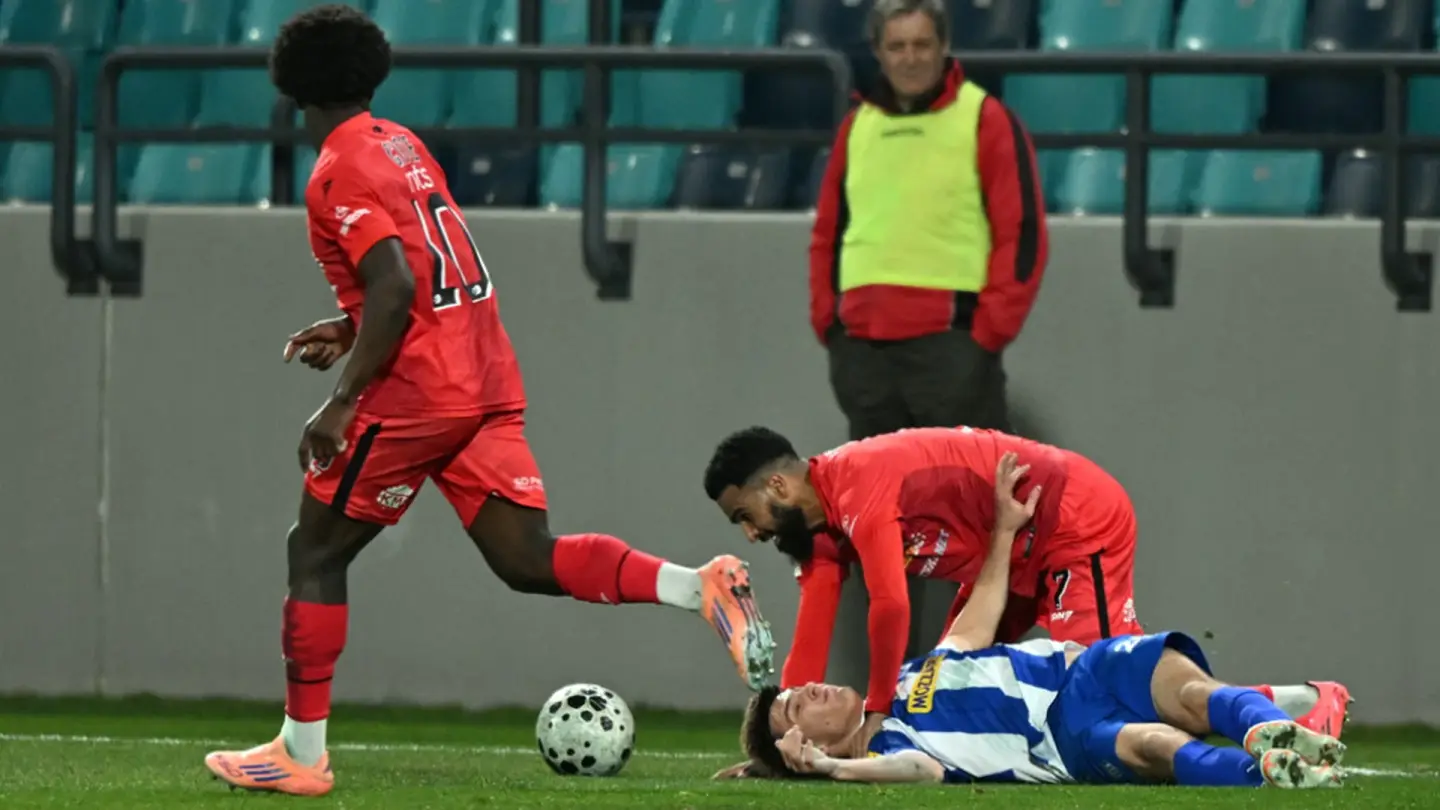
Radnički 1923 beat OFK Beograd 5:3 at the Omladinski Stadion, having gone in at half-time on 2:2. After the interval the visitors showed more control and sharper finishing, while OFK kept up the pressure and left the match wide open. The decisive gap came from how Radnički used a rapid transition from defence into attack.
The first half offered chances at both ends
Neither side had a secure defensive base before sending more players forward. OFK attacked quickly, while Radnički found space between the lines.
The 2:2 scoreline at the break reflected an even exchange of attacks. Both coaches had to tighten up control without losing their attacking threat. The early exchanges showed that both teams could reach the final third before the defensive block recovered. That made the match entertaining, but a single imprecise pass could immediately open up the other end. The half-time score gave both sides the same warning: many players committed forward created chances and danger at once. How the game continued depended on who would fix their first move after a change of possession.
Radnički improved the quality of their next move
The visitors attacked the space left behind after OFK lost the ball. The first pass after winning possession was more accurate and played forward more decisively after the restart.
Off-the-ball running offered a safe and direct option. That kind of choice was harder to stop than a lone dribble. After winning the ball, Radnički became more determined. The first player looked forward, the nearest team-mate offered support, and movement on the far side stopped OFK from narrowing the defence around one channel. The Radnički player who followed the play was also important when he did not receive the pass. His running held his marker and let the man in possession carry on towards a better angle.
Five goals away from home required collective movement
The scorers benefited from team-mates pulling defenders out of the area in front of goal. Width forced OFK to defend a larger space and later opened up the middle.
Radnički did not have to finish every attack quickly. Some moves only became dangerous once the right passing angle appeared. The five away goals were not simply a matter of finishing. Players without the ball held their markers, waited for a passing lane to open before making their runs, and stayed composed enough to choose their angle of strike. Patience is hard in an open game, because every space invites an early shot. The visitors improved when they waited for a secure finish rather than treating the first sight of goal as their last chance.

OFK stayed dangerous but did not shut the game down
Three home goals confirm that the side kept posing a threat. The problem was the price of losing the ball when too many players were committed ahead of it.
A more compact shape would have slowed Radnički’s first pass. The analysis should separate good attacking ideas from the open space that could have been closed. OFK’s three goals confirm that the home attack caused problems. The bigger weakness appeared whenever a move stalled, because the gap to the players behind the ball let Radnički move from winning possession into a dangerous attack too quickly. OFK could still progress with the ball, so the answer is not to abandon attacking. What it needs is a safer position behind the move and a faster first step from the nearest midfielder when possession is lost.
Clear lessons remain after eight goals
Radnički showed efficiency and better organisation in the second half. OFK had enough creativity for three goals, but not enough balance.
Future opponents will study the space left in transition, not just the list of goals. The match shows clearly how quickly control can change after half-time. Radnički showed that a quick move into attack can decide a difficult away match. OFK should keep its attacking courage, but it also needs more players ready to defend so that one lost possession does not undo earlier work. Eight goals make the match memorable, while the details of the quick switch from defence to attack make it useful. Coaches can show exactly where one decision turned a promising attack into an urgent return to defence. Radnički can keep its directness while checking that it had enough players behind the ball in every move. OFK should work on its first step after losing possession and on the angle from which the midfielder closes the passing lane. These small changes do not take away the attacking idea. Rather, they give it a firmer base and raise the chance that the next good attack starts from controlled defence. The next opponents will try to exploit exactly that space, so the reaction must be quicker. This match provides enough clear examples for that work. The work on these details can start at the next training session.