
Serbia’s Unsung General: How Nemanja Gudelj Holds Sevilla Together
When football fans argue about the most important Serbian players on the world stage, the conversation almost always circles back to Dušan Vlahović’s goal threat at Juventus, Aleksandar Mitrović’s relentless output in the Gulf, or Sergej Milinković-Savić’s polished distribution at Al-Hilal. Nemanja Gudelj rarely features in those headline debates, and in many ways that is the whole point. A defensive midfielder works in the shadows by definition, doing the invisible job that lets his more celebrated colleagues shine.
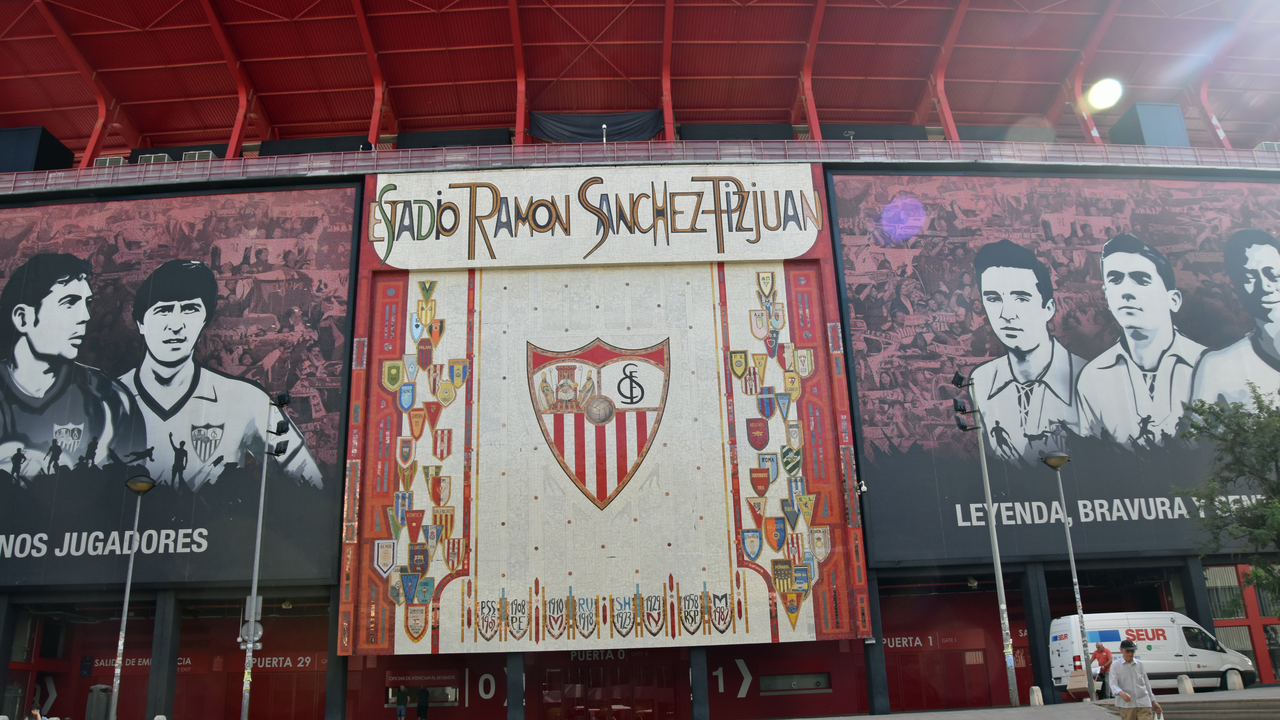
At Sevilla, Gudelj has spent much of the last decade operating as the club’s deepest anchor, the man who breaks up attacks, recycles possession and provides the platform on which everything else is built.
In an era when Sevilla have oscillated between European ambition and the harsh financial realities that followed overspending in the post-pandemic period, Gudelj has been one of the few constants. His 2025-26 season continued in that same spirit: unobtrusive, irreplaceable and almost entirely overlooked by the wider public.
A Career Built on Pragmatism
Born in 1991 in Belgrade, Gudelj came through the youth academy of Vojvodina before moving to the Netherlands, where spells at Sparta Rotterdam and Ajax shaped him into the complete defensive midfielder he is today. Ajax gave him a particular education in positional discipline, pressing triggers and short-passing football, qualities that still form the foundation of his game. He was never going to be Johan Cruyff, but he understood exactly where he fitted within a highly organised system.
His move to China with Guangzhou Evergrande in 2016 raised eyebrows, as it did for many European players of that generation tempted by lucrative contracts in the Chinese Super League.
Still, Gudelj used the experience wisely, keeping his physical condition and competitive edge intact before returning to Europe with Sporting Lisbon in 2017. Sporting’s structured, possession-oriented approach in Lisbon was a sensible environment for a player of his profile and helped him readjust to top-level European football.
Sevilla came calling in 2019, and the match proved perfect. Under Julen Lopetegui, and later under a succession of coaches navigating turbulent institutional waters, Gudelj established himself as the most dependable pivot in the squad. He is the kind of player a manager trusts instinctively: not because he will produce a moment of individual brilliance, but because he will almost never produce a moment of individual failure.
The Role: What a Modern Pivote Actually Does
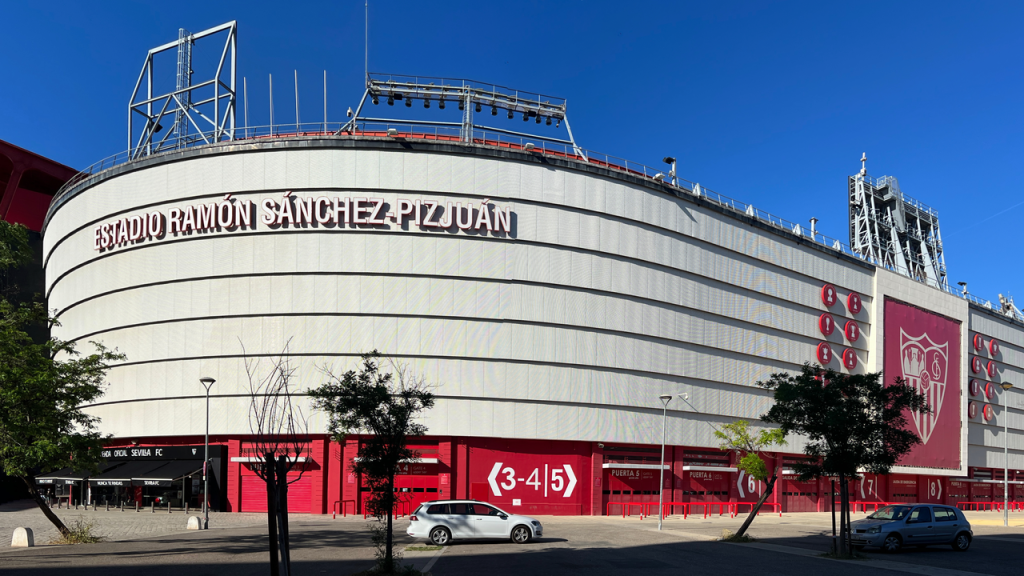
The term “defensive midfielder” does little justice to the complexity of what Gudelj performs each week at the Ramón Sánchez-Pizjuán. His function is better described through Spanish football terminology: he is the pivote, or occasionally the mediocentro defensivo, the player who sits narrowly in front of the four-man back line and acts as the connective tissue between defence and attack.
In Sevilla’s preferred shape, this generally means operating in a double or triple pivot base, with licence to drop between the centre-backs during build-up and push slightly higher in transition.
What Gudelj does exceptionally well is read the game before the ball arrives. Interception figures across recent seasons consistently rank him near the top of Spanish football for his position, not because he takes risks, but because his positioning makes interceptions almost inevitable. He anticipates passing lanes, narrows space in the middle third and channels opposition attacks towards the flanks where his defensive colleagues can intervene under more favourable conditions.
On the ball he is reliably tidy rather than spectacularly creative. His passing accuracy seldom drops below ninety per cent in La Liga, and he is one of the more efficient distributors of medium-range passes in the Sevilla side. He will not thread a sixty-metre diagonal that makes the crowd gasp, but he will find the right pass under pressure, keep the team moving in the right direction and avoid the dangerous turnovers that can unravel a defensive shape in seconds.
The 2025-26 Season: Stability While the Club Rebuilds
Sevilla’s 2025-26 campaign unfolded against the backdrop of an ongoing institutional transition. The club’s financial restructuring, which took serious shape from 2023 following the excesses of the José Castro era, demanded careful squad management and reliance on experienced professionals who required little fuss.
Gudelj fits that template perfectly. Now in his thirties, he remains physically capable and mentally sharp, and his leadership in the dressing room, quiet but respected, has grown in value as younger players have been integrated into the squad.
In La Liga this season, Gudelj has continued to perform at a level consistent with his best years in Andalusia. His ability to cover ground defensively without the ball, protect the back line when Sevilla’s shape is compressed under pressure and keep his composure in moments of tactical stress has made him difficult to replace for successive managers.
The numbers, where publicly available through official La Liga statistics, paint the picture of a player still performing at a high level of positional and technical efficiency for his age group.
Younger Serbian footballers such as Strahinja Pavlović at AC Milan attract growing attention as a new generation of Serbian defensive talent, but Gudelj’s longevity in a top-five European league should not be taken for granted. Sustaining high-level output across a full La Liga season in his thirties, at a club with ambitions of finishing near the top of the table, demands a physical commitment and professional discipline that simply does not receive the recognition it deserves.