
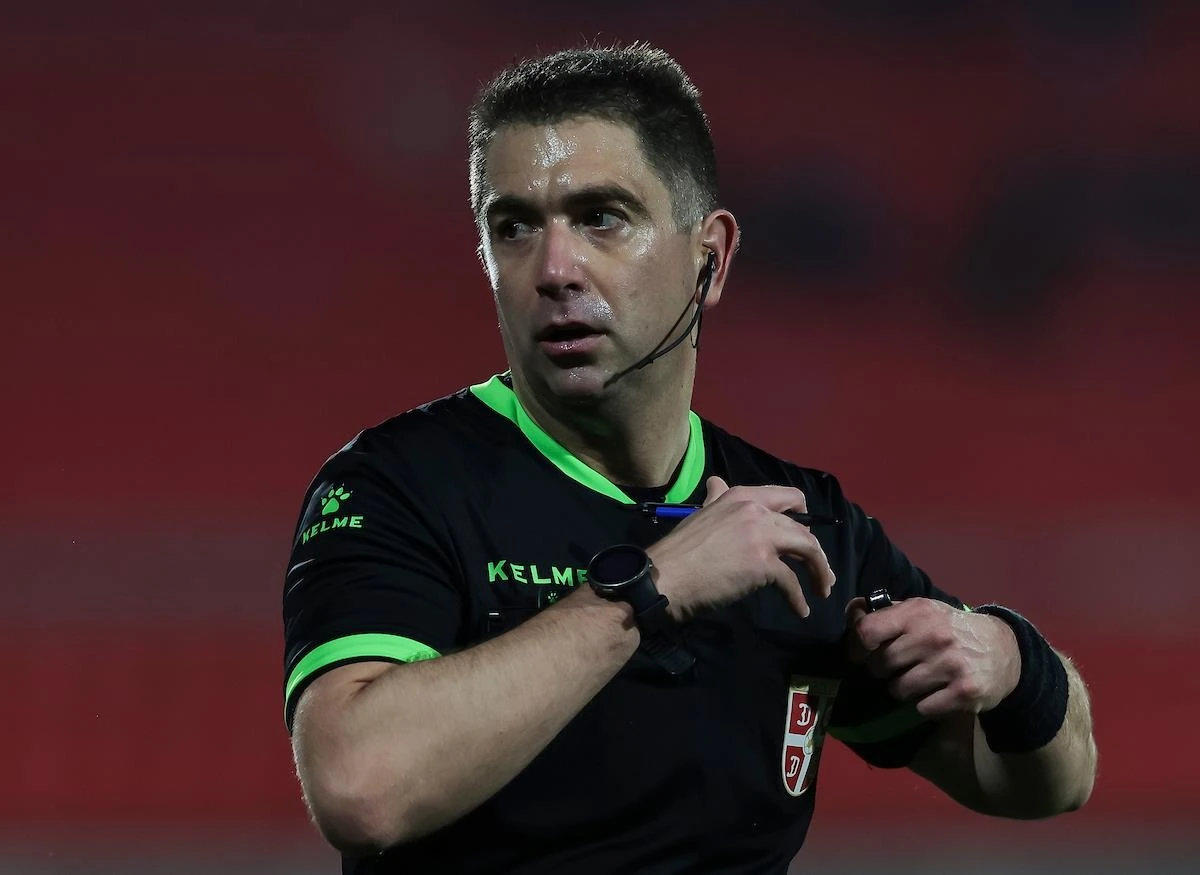
Serbian referee Momcilo Markovic has been appointed as assistant video referee for the Champions League match between Manchester United and Sabah. Frenchman Clément Turpin led the video team, while Willy Delajod was the referee on the pitch. The assignment placed Markovic in a significant first-round fixture at Old Trafford. An assistant VAR is not merely someone who replays the footage. They follow the phase of play leading up to the disputed moment, examine additional angles, and relay the information concisely so that the lead video referee can make a sound judgement on the check.
The assistant keeps the review complete
The lead video referee speaks with the referee on the pitch, while the assistant tracks other angles and earlier parts of the move. If a possible penalty is under review, the team sometimes has to establish first whether there was an offside or a foul before the ball entered the penalty area. A single missed frame can change the meaning of a later contact. The assistant therefore keeps the process thorough and lets the recommendation stand clearly, without constantly rewinding to the start of the clip.
An international team needs a precise shared language
Markovic has worked with French officials at a match involving an English and an Azerbaijani club. Messages must stay short and consistent regardless of the languages spoken around the pitch. Each message identifies the incident, the check and the conclusion. Extra explanation can bury a key detail while the referee waits for the next step. Preparation for this role therefore includes a firm grasp of the laws and the ability to describe an image in terms the whole team understands at once.
| Role | Official |
|---|---|
| Referee | Willy Delajod |
| VAR | Clément Turpin |
| Assistant VAR | Momcilo Markovic |
| Match | Manchester United – Sabah |
| Competition | UEFA Champions League |
A quiet check can be work done well
Fans notice video reviews most when play stops and the referee walks to the screen. Many checks end without a change because the footage supports the original decision. That does not mean the work was unnecessary. A quick confirmation allows the game to resume and protects trust in the process. A referee’s quality is not measured by the number of trips to the monitor. Accuracy, speed and the right threshold for intervention must all exist together.
Offside is prepared before the final pass
The assistant video referee must find the exact moment the ball is played and then compare the positions of attackers and defenders. Camera angle, the part of the body and the position of the ball all matter. The task becomes harder when several players are moving at high speed. Good preparation means knowing which cameras are available and tracking the likely passing line before the move ends. If the search only begins after a goal, the review takes longer and the key frame is not ready straight away.
Old Trafford offers valuable professional experience
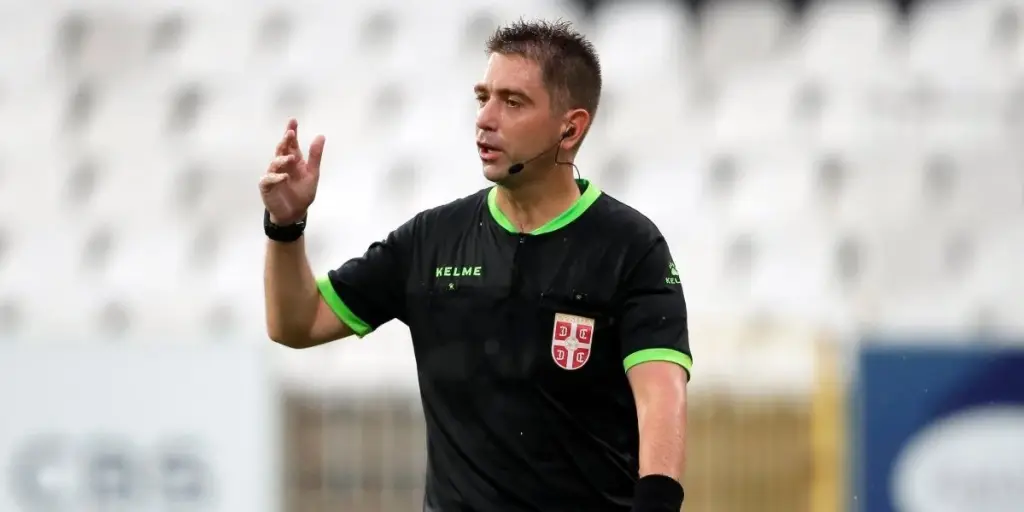
A Champions League fixture places officials under intense scrutiny from the crowd and television audiences. That pressure must not alter the standard of decision-making. Markovic’s value lies in applying the same procedure he uses at other international matches. A famous stadium and a large crowd make calm routine even more important. The appointment also links Serbian refereeing with the highest European competition and provides experience that can help in domestic matches later.
Video support does not replace the team on the pitch
The referee and assistant referees still make the first decisions and manage players in real time. VAR exists for clear errors and serious missed incidents, not to officiate every contact again. The assistant video referee must respect that boundary. Overly frequent interventions interrupt the game and shift responsibility, while staying silent in the face of clear evidence is also a mistake. Good work sits between those extremes and rests on a precise understanding of the protocol.
The assignment shows a path for younger referees
A referee aiming for international video work needs reliable domestic matches, physical fitness, competent English and regular technical training. The route is not built on one visible match but on a series of accurate decisions and discipline in the video room. Markovic’s assignment in Manchester shows where such work can lead. The most useful lesson is routine: prepare the cameras and protocol before kick-off, then judge each incident on the evidence, regardless of the club’s name.
Post-match analysis must be equally precise
The work does not end with the final whistle. The officiating team reviews key decisions, the time taken for each check and the quality of communication between the room and the pitch. The aim is not to hunt for mistakes at any cost but to identify where the process could be faster and clearer. If a decision was correct, the team checks whether it was reached in the best order. If there was a problem, they note the specific moment and prepare an exercise to address it. This kind of review turns significant international experience into knowledge that remains useful for the next match.