

Mladost Lučani recovered from a sluggish start to beat Mačva 2:1 in Šabac. The hosts ended the first half in front, but Mladost quickened their passing after the interval and scored twice. The turnaround earned the visitors their fourth league win, while Mačva walked away without a point despite having led. The decisive change came after the break, when the visitors pushed their midfield up to support the attack and started winning back loose balls faster. Mačva could no longer settle comfortably on their earlier lead. The visitors turned that better rhythm into two goals and held on to the advantage until the final whistle.
Mačva set the pace in the first half
The hosts used an energetic display to take the lead before the break. That result allowed them to hold their shape and force Mladost into patient build-up play.
The opening half rewarded direct football and quick support around the ball. Still, one goal was not enough to give Mačva real security. They used the energy of their home ground and backed up the player in possession without delay. The lead let them close the middle of the pitch and push Mladost towards the flanks. However, a one-goal cushion was not enough to sit back entirely. The home side had to keep their exit from defence intact so that the visitors’ pressure would not become constant. When they won the ball, Mačva looked first for a safe pass rather than an immediate clearance. That gave them time to shift their lines and prepare the next attack.
Mladost sped up the game after the break
The visitors moved the ball more quickly and brought more players forward in attack. Their midfield pushed higher and closed the gap to the forwards.
That change increased the pressure without fully opening their own defence. The response came from a better shape rather than a single random attack. After the interval Mladost shortened the distance between midfield and attack. The ball reached the final third faster, and the player in possession had more safe options. The visitors raised the pressure without sending every outfield player forward. The adjustment in shape mattered more than one risky pass or a shot from distance. Midfielders now got to loose balls earlier and kept Mačva from easily getting out. Each new possession therefore began closer to the hosts’ goal.
The equaliser changed the match
After Mladost’s goal, Mačva could no longer simply protect their earlier lead. The hosts had to choose between a fresh attack and rebuilding their defensive block.
The visitors exploited that uncertainty to keep the play in the opponent’s half. The sequences that followed mattered more than the number of chances from the first half. Mladost’s first goal removed any plan for Mačva to just hold on to their lead. The hosts had to think about attack again, while the visitors kept the initiative. Several possessions that followed were played in Mačva’s half, so the pressure did not end straight after the equaliser. That set up the turnaround. Mladost did not let the rhythm break with long waits for a new opportunity. They quickly recycled the ball and forced the home defence to reset its positions.
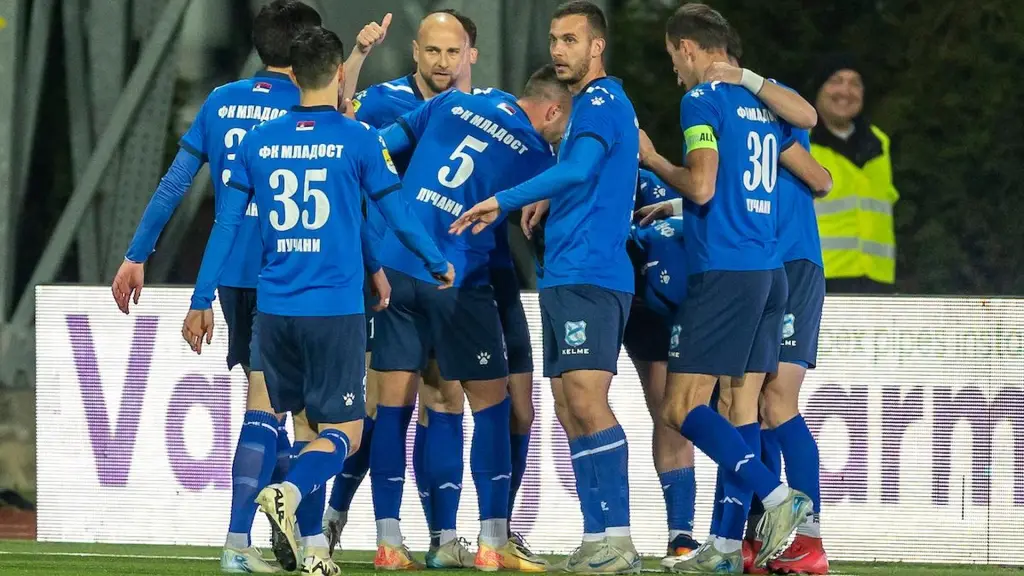
The second goal sealed the turnaround
Mladost turned their better second-half play into the winning goal. The visitors then kept their balance and did not drop back entirely.
Mačva searched for an answer but had less time and space. The turnaround was only confirmed when Mladost calmly saw out the closing minutes. The winner was a continuation of Mladost’s improved football in the second half. After it, the visitors did not retreat behind their penalty area and kept the option of moving the ball forward. Mačva tried to respond, but they had less time and less room than before the break. The calm finish confirmed the turnaround. The visitors’ defence did not step out to every pass individually but moved as a unit. That closed off the space for a quick strike and protected the advantage.
The lessons are clear for both sides
Mladost showed they can repair a match after a difficult first half. Mačva were an equal rival, but protecting a lead requires more than a deep defence.
The visitors have reached 16 points and remain close to the top. The hosts have eight points and must turn their good spells into a complete performance. Mladost finished the round on 16 points and proved they can change the course of a tough match. Mačva stay on eight points, but the first half showed they can build an advantage against a quality opponent. The next step is to extend the good spell and keep the same level of organisation after the score changes. The visitors can hold on to the reaction from the second half while also fixing their slower start. The hosts need to find a way to stay dangerous after taking the lead rather than handing over the midfield.