
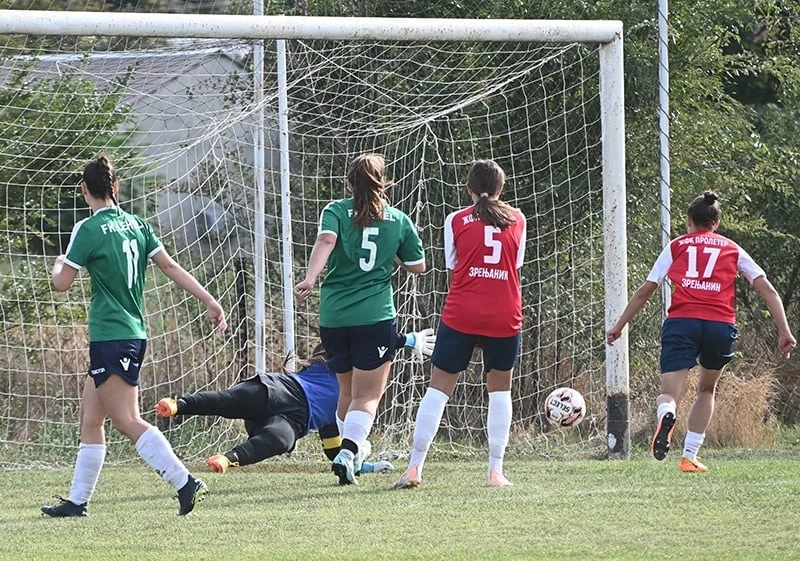
Nika won 7:1 against Proleter in the Serbian women’s league, with Mina Maksimović netting five goals. She scored in the 8th, 18th, 43rd, 56th and 87th minutes, influencing the start, the end of the first half and the closing phase of the match. The official record lists two more scorers for Nika and one reply for Proleter. The useful story from this emphatic result is how the hosts kept repeating a clear final action.
An early goal set Nika’s direction
Maksimović struck in the eighth minute, giving the hosts a foundation before the game had opened up. Nika could keep the same width and support rather than search for a new approach. Proleter were forced to leave their defensive shape more often in pursuit of a response. That made Nika’s first pass after winning the ball all the more important.
A second goal confirmed the quality of off-the-ball movement
The striker added another goal ten minutes later. Two good positions so early usually demand more than an accurate shot. Teammates must recognise the run, pass the ball into the right channel and provide cover should the move fail. Nika need to establish whether both goals came from the same pattern or from different solutions.
| Detail | Confirmed information |
|---|---|
| Teams | Nika and Proleter |
| Nika scorer | Mina Maksimović, five goals |
| Minutes | 8, 18, 43, 56 and 87 |
| Proleter | One goal |
| Final | Nika 7:1 Proleter |
A goal before the break kept the momentum
Maksimović completed a first-half hat-trick in the 43rd minute. A goal before the interval changes the conversation for both sides, because the team that concedes has no time to respond on the pitch. Nika still had to return focused. A big lead can easily lead to long individual actions, so it is better to keep the spacing that created the advantage.
Proleter’s goal deserves separate analysis
The visitors found one successful move, and they should use it as a precise example. The coaching staff can review the first forward pass, the support and the finish, then establish why that route did not appear more often. The rest of the match should be broken into separate problems rather than described by the scoreline alone. One good pattern can be the basis of the next performance.
A fourth personal goal arrived after the break
Maksimović scored again in the 56th minute, showing that Nika did not lose their rhythm during the interval. The hosts found her in useful areas while other players drew the defence’s attention. The striker gains space when teammates make unselfish runs without the ball. Those movements must be visible in the analysis.
Other scorers prevented a one-dimensional attack
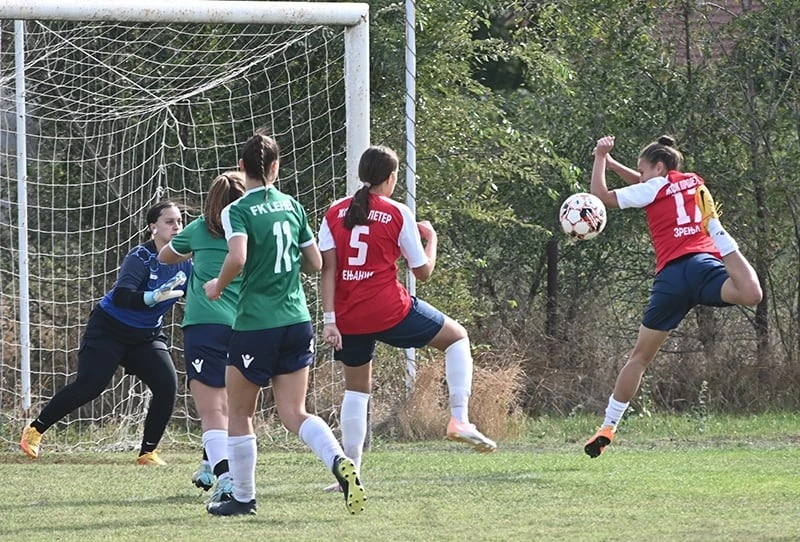
Nika scored two more goals through teammates. Proleter therefore could not settle the match simply by paying more attention to Maksimović. When several players enter the box at different times, the defence has to choose between the ball, the central run and the late arrival. Variety makes the best scorer more dangerous and gives the team a second route.
A fifth goal rewarded late concentration
Maksimović completed her tally in the 87th minute. A correct run at the end of a match speaks to fitness and attentiveness. The home side still had to respect their opponent and not chase personal figures with poor choices. The finish is most valuable as proof that the original attacking roles stayed active until the final minutes.
The next opponent will leave less room for error
Nika may have produced an efficient day, but future opponents will close space more carefully. The routes to supported finishes must be preserved, and moments when the team opened up after losing possession must be corrected. Proleter can start from their goal and a more secure first pass. Both analyses need to go beyond the final score.
Five goals should not become a permanent personal demand
Maksimović’s output deserves attention, but the next match may ask her to open space or make the final pass rather than always finish. Teammates should continue the movements that supported the goals without forcing the ball to one player. Opponents will change how they mark after this result. Nika become harder to defend when their best scorer accepts extra attention and helps a teammate use the open space.
The official record remains the basis for the figures
Goal times, line-ups and disciplinary details should come from the competition record. Footage from the stands can help analyse a move, but it often lacks the full pitch and the exact time. Separating confirmed data from impression protects the text from wrongly attributing a goal or assist. That matters most in a match with many events, where two consecutive actions can easily merge into one story.