
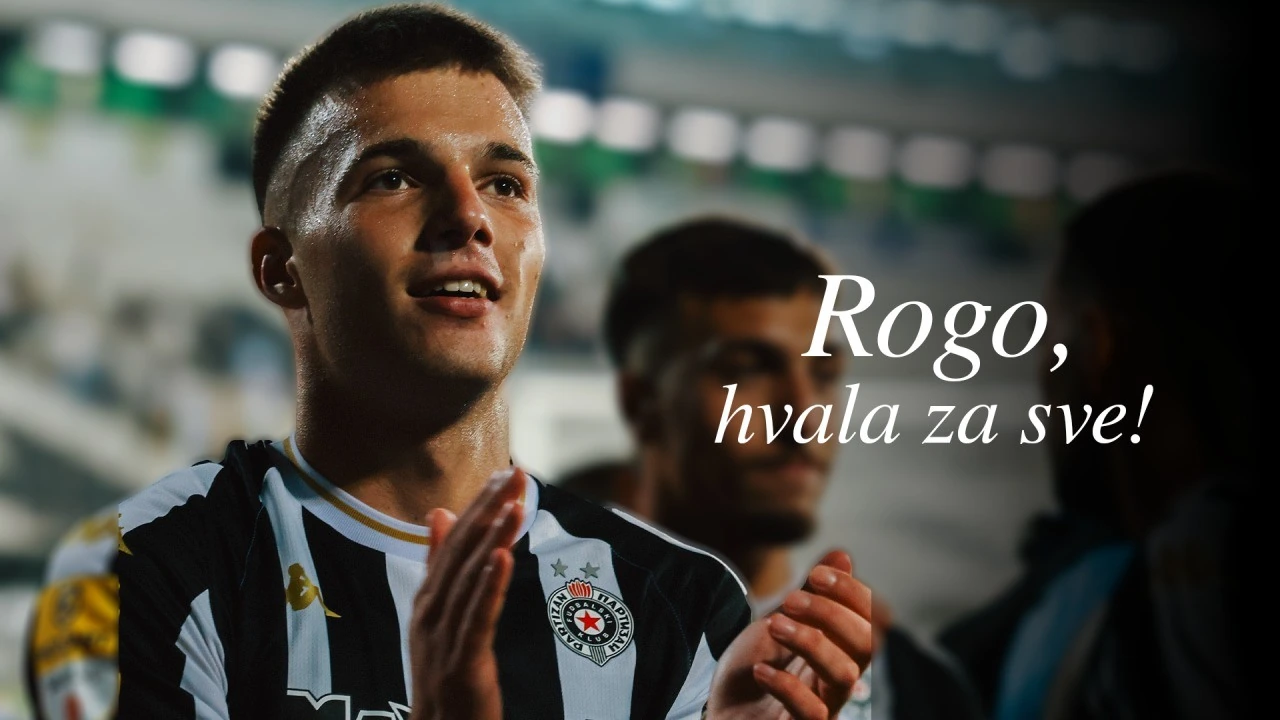
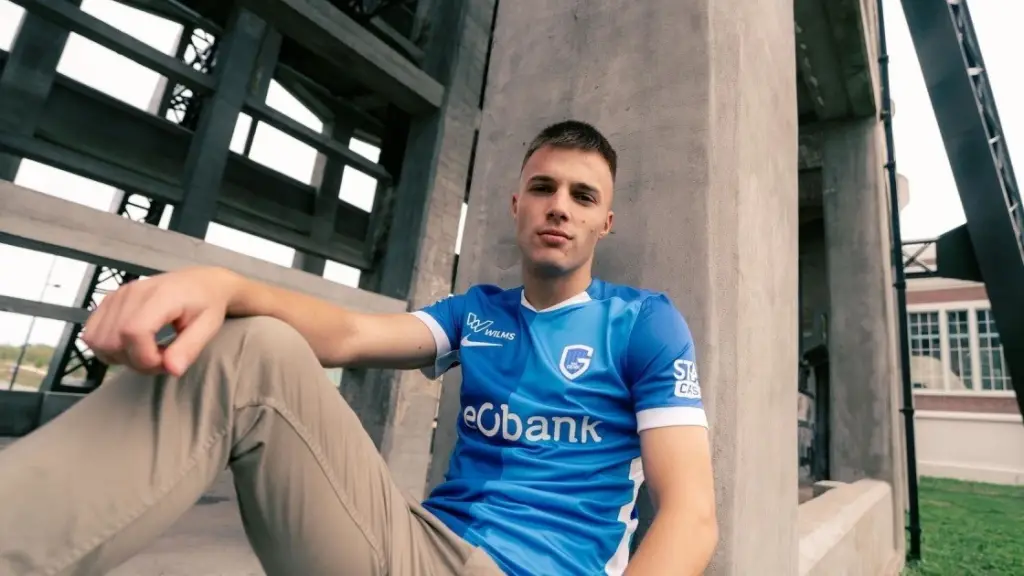
Partizan and Genk have reached an agreement for Milan Roganović to move to the Belgian club. Partizan has retained a percentage of his future sale value. Born in 2005, the right-back developed through Partizan’s academy and Teleoptik before establishing himself as a first-team fixture. He departs after 69 official appearances and seven assists, and has also represented Montenegro at international level.
The transfer completes a visible development path
Roganović did not move straight from youth football to a contract abroad. He passed through Partizan’s academy, continued at Teleoptik and then secured a regular place in the senior squad. That sequence matters, because each stage added a different demand. Youth matches built technique and habits, Teleoptik offered senior competition, and Partizan’s first team added pressure over results. His move to Genk is therefore the next step on a path already tested in official senior football, rather than a projection built only on academy promise.
Sixty-nine appearances provide a meaningful sample
A young defender can look convincing over a short spell, yet reliability takes longer to demonstrate across a full season. Roganović’s 69 official matches give Genk more data on his positioning, his recovery defending and his reactions in difficult fixtures. Seven assists show that his contribution was not confined to defending the flank. Genk should not automatically expect the same assist rate in Belgium, since a new side may use its full-backs differently. The figures confirm what he achieved at Partizan and give Genk a clear starting point for assessing his continued development.
| Detail | Confirmed figure |
|---|---|
| Partizan first team | 69 official appearances |
| Assists | Seven |
| Development | Partizan academy and Teleoptik |
| Agreement | Transfer to Genk with a percentage of future sale retained |
Genk offers a new tactical and cultural test
Belgian football will expose Roganović to different pressing models, quicker transitions and unfamiliar opponents. The first months may be a period of learning rather than an instant place in the starting eleven. He will need to understand when Genk asks its right-back to push high towards the touchline, when he should tuck inside and when he must stay behind the attack. Language and daily routines also shape how quickly a player settles. A transfer’s success is not measured only by starts. Work in training, minutes from the bench and the ability to apply instructions can be equally telling early indicators.
A percentage of any future sale protects Partizan’s interest
Partizan has kept a share of the future transfer, the club’s statement says. This does not guarantee an extra payment, because it depends on Genk selling the player under the relevant conditions. It means Partizan retains a stake in Roganović’s onward progress. If his value rises and another club later completes a deal, the academy club could again benefit. The exact percentage was not published in the statement, so its value cannot be stated. What is confirmed is the existence of the clause, not any possible future amount.
Partizan must now redistribute the right-back workload
His departure changes more than one name on the squad list. The coaching staff must decide who covers Roganović’s minutes, who provides width when the right side attacks, and which player is trusted in matches with heavier defensive pressure. A replacement from the existing squad may already understand the team’s movement, but may have less senior experience. A new signing would need his own adaptation period. The solution may also change depending on the opponent. Partizan does not need a single player to copy every part of Roganović’s role if the team can spread those tasks differently.
International experience may ease the adjustment
Roganović has played for Montenegro, which gave him exposure beyond his club environment. International football can demand quick adaptation, since preparation time is shorter and teammates come from different systems. That does not secure him a place at Genk, but it shows he has already worked within more than one tactical plan. Club and international records should stay separate when statistics are updated. The figures of 69 appearances and seven assists refer to Partizan, while Montenegro matches describe a different competition and set of responsibilities.