
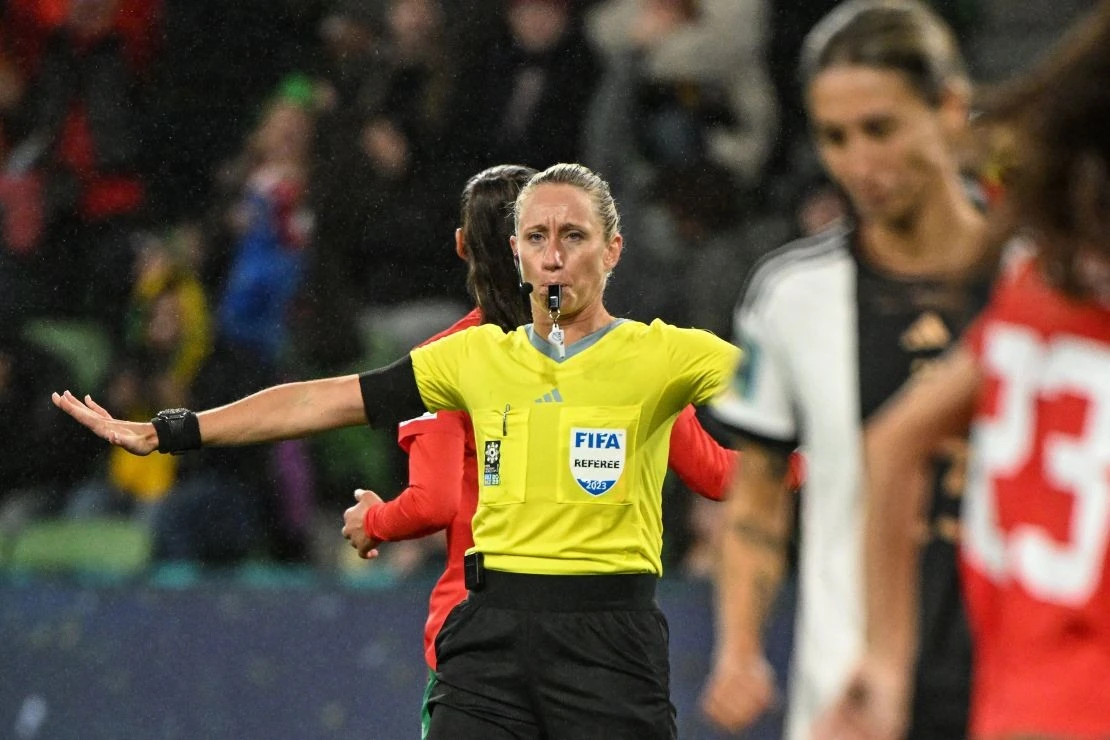
Serbian referee Jelena Cvetković has been selected for the FIFA U20 Women’s World Cup, which runs in Poland from 5 to 27 September. Her first announced assignment is the video assistant role for the Brazil versus Tanzania match. The international team for that fixture includes officials from Spain, Portugal, Romania, Serbia and Mexico.
The assignment has been clearly defined
Cvetković is not named as the referee on the pitch. She works as VAR, with Diana Perez of Mexico serving as assistant video assistant. Spain’s Marta Huerta de Aza is in charge of the match, supported by Guadalupe Porras Ayuso and Andreia Ferreira. Ioana Alina Pesu is the fourth official. Keeping these roles separate matters, because the video team only checks situations set out in the protocol and does not take over control of the game.
The video review has a narrow remit
VAR reviews goals, possible penalty decisions, direct red cards and cases of mistaken identity. The video team can recommend a replay or pass on factual information, but the final decision rests with the referee on the pitch. A long pause during a review is not proof that an error has already occurred. The team needs to check the camera angle, the start of the attack and the players involved. Fans should therefore wait for the official signal from the field.
| Role | Official |
|---|---|
| Referee | Marta Huerta de Aza, Spain |
| Assistants | Guadalupe Porras Ayuso and Andreia Ferreira |
| Fourth official | Ioana Alina Pesu, Romania |
| VAR | Jelena Cvetković, Serbia |
| AVAR | Diana Perez, Mexico |
A youth tournament demands careful preparation
The players come from varied football backgrounds, and some have little experience of video technology. Officials must apply the same standard throughout the tournament. Preparation covers checking equipment, agreeing brief communication and understanding what evidence is needed before an intervention. Restraint matters too, since the purpose of VAR is not to re-referee every duel. A clear first decision can set a good standard for the matches that follow.
The international crew must align its work quickly
Six members of the officiating team come from five federations. In their domestic leagues they may work under different conditions, but at the World Cup they apply a shared FIFA protocol. Pre-match meetings settle the order of communication, the areas of responsibility and how footage is presented. The assistant VAR may follow a second camera or an earlier phase of the attack. In this way Cvetković gains experience in a system where precise cooperation is as important as individual judgement.
Experience remains valuable after the tournament
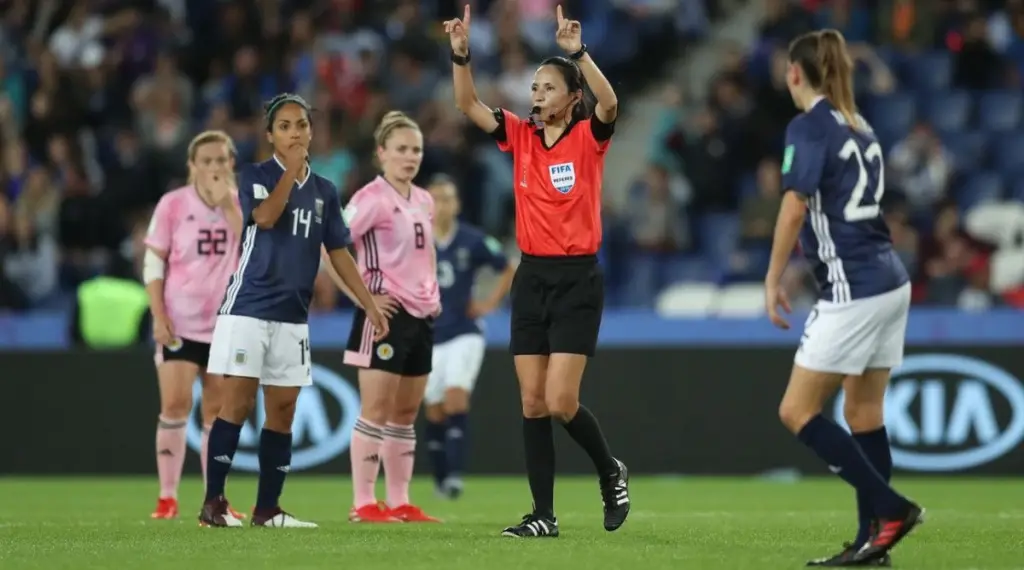
Working at a major youth competition brings feedback from a different technical and competitive setting. A referee can carry back lessons on camera selection, the speed of communication and the application of the protocol. That may benefit refereeing in Serbia, but it does not automatically mean further assignments or a place in the knockout stages. Each future match depends on an assessment of performance and the decision of the organisers.
The confirmed news is the appointment, not an invented intervention
The federation has confirmed Cvetković’s selection and her first assignment for Brazil and Tanzania. It would be wrong to describe a video review that has not taken place or to claim that it changed a result. Any further assignment will need fresh confirmation. The mere fact that a Serbian referee sits in an international VAR team is an important story, and it requires no speculation about how the match unfolds.
For Serbian football the appointment carries both symbolic and professional weight. Young referees following her path can see that international trust is built through domestic matches, physical preparation, knowledge of the laws and reliable communication. Video technology does not reduce the need for good refereeing on the pitch. If anything, every member of the team must understand when to speak, which footage to check and when there is no basis for intervention. That discipline defines the quality of joint work. Much of the job happens without visible intervention. When the video team quickly confirms a correct decision, the match can continue without interruption, so the number of reviews is not the only measure of good performance. Accuracy, speed and clear explanation together protect the players’ trust. On her first assignment Cvetković will also need to follow the build-up to the key incident, because a foul or offside in an earlier phase can change the meaning of later footage.