
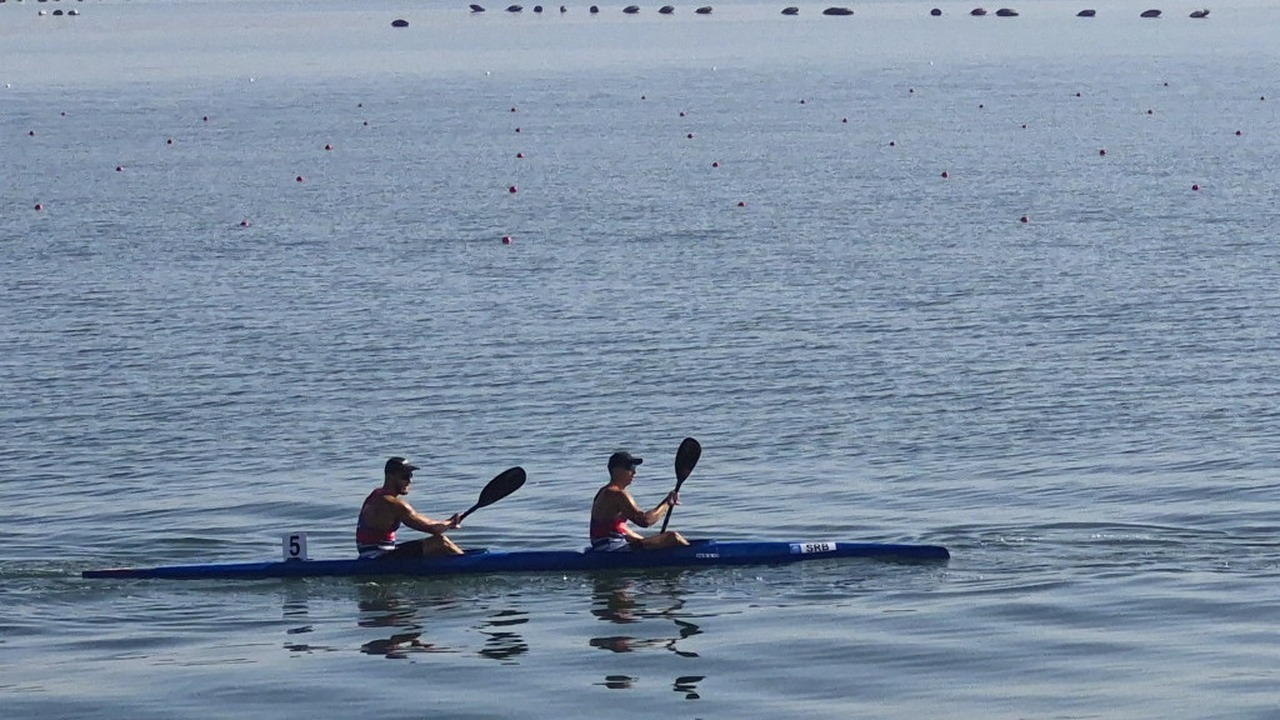
Serbian canoeists Žarko Jakovljević and Veljko Vještica booked their places in the K1 1000 m final at the Mediterranean Games on 22 August. Jakovljević won his semi-final in 3:54.35, while Vještica finished third in the same race. Serbia will have two boats in Sunday’s final.
Making the final is a strong result, but it also brings a fresh race to prepare for. Both athletes need to recover, review the useful parts of their first outing and return to the water with a clear plan.
The qualifying heats built a solid base
A canoeist needs a strong start, but must not spend all their energy in the opening metres. The boat should build speed calmly, then settle into a rhythm that can be sustained. Jakovljević and Vještica completed their first task by reaching the final. The result shows that both held up under pressure and found the speed they needed in the semi-final.
Coaches can now go over stroke rhythm, direction and the closing stretch of the race. Small corrections will serve better than a major overhaul of a working technique before the final.
Recovery starts right after the first race
Once they leave the water, athletes need fluids, food and controlled movement.
The goal is to restore energy without stiffness before the next start. Mental rest matters before the next race. Replaying every part of the heats over and over can create unnecessary tension. A short analysis should pick out a few clear details, then leave time to rest.
Checking equipment removes one more risk. The paddle, seat and boat set-up should stay as they are unless the coaching staff has spotted a specific technical problem.
- Restore fluids and energy
- Review only the most important parts of the race
- Check the boat and paddle
- Study the latest conditions on the course
Course conditions could change the final
Wind and water movement affect direction and rhythm. Competitors should look over the course just before the final, rather than relying only on the morning conditions. The final also brings more pressure from neighbouring lanes. The Serbian canoeists must hold their own rhythm rather than chase every early surge from rivals.
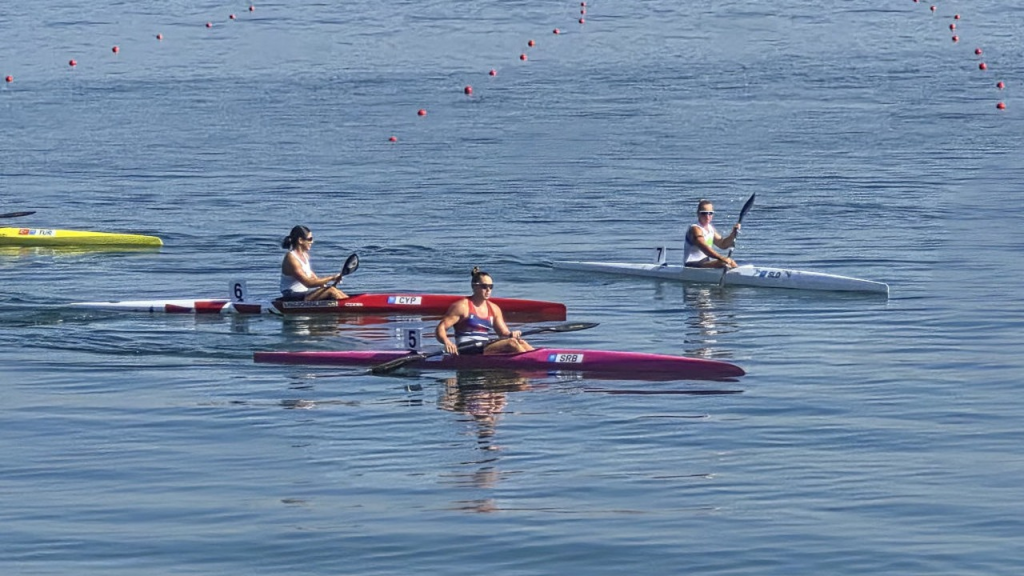
Serbia’s representatives are preparing for the Mediterranean Games finals.
In the closing stages, athletes should draw on whatever energy they have left. A well-judged burst of speed can earn a place on the podium, while attacking too early slows the boat before the line.
Two finals strengthen Serbia’s showing
Each final gives Serbia a chance at a medal and valuable experience at a major multi-sport event. The qualifications also reward the daily work done ahead of the Games. Jakovljević and Vještica do not need the same plan. The course, the conditions and each athlete’s personal strengths may call for different decisions. Each paddler should follow the arrangement agreed with their own coach.
Serbia now has two clear reasons to follow the final programme. A calm start, a steady rhythm and a precise finish could turn a good placing into an even better result.
Efficient stroke matters in the final
A boat’s speed comes from more than a faster rhythm alone. Every stroke needs clean contact with the water and a stable transfer of power. A hurried movement uses more energy without a reliable gain in speed. Correct body position helps the paddler keep the boat balanced. Unnecessary movement creates drag and makes it harder to hold a straight line. Technical calm is especially helpful when competitors in neighbouring lanes accelerate. Coaches can compare split times and find the section where the race changed.
Numbers should complement the athlete’s feel on the water. No single figure tells the whole story.
In the final, Jakovljević and Vještica will need efficiency before the closing sprint. Saving energy through clean technique gives them a better chance of crossing the line at full speed. The start procedure demands every competitor’s full attention. The athlete must set the boat correctly, wait for the command and avoid any movement that could bring a penalty. A calm routine before the race reduces needless tension. After the signal, the canoeist can focus on acceleration rather than correcting a poor starting position. The result of the final depends on performance on the water. The heats provide confidence, but the new start asks both Serbian paddlers to repeat their best technical habits under greater pressure. Wind and waves from neighbouring lanes can change how the boat feels. Jakovljević and Vještica should keep their rhythm, hold their line and leave enough strength for the closing stretch.
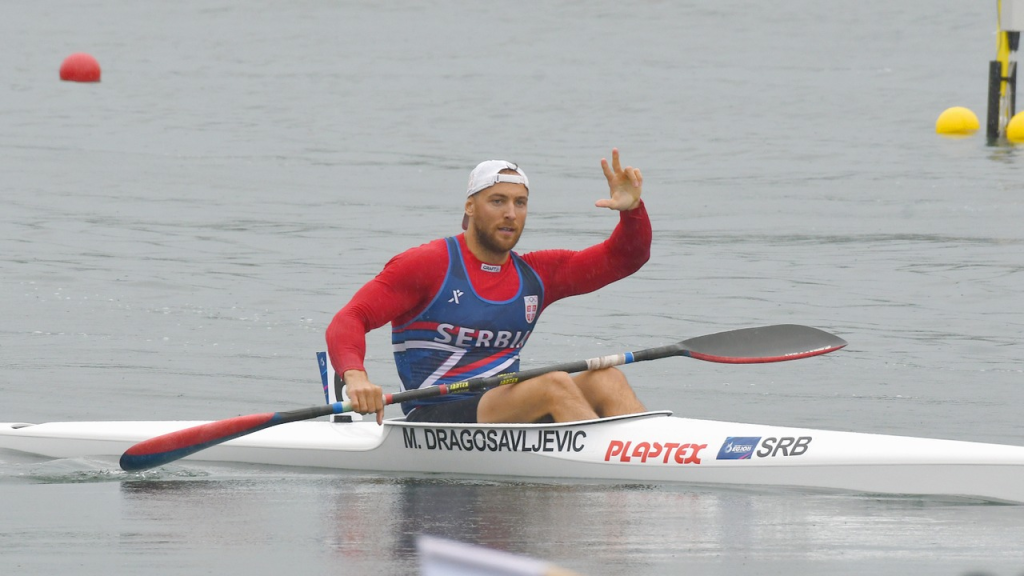
Serbia will have two representatives in the K1 1000 m final.