
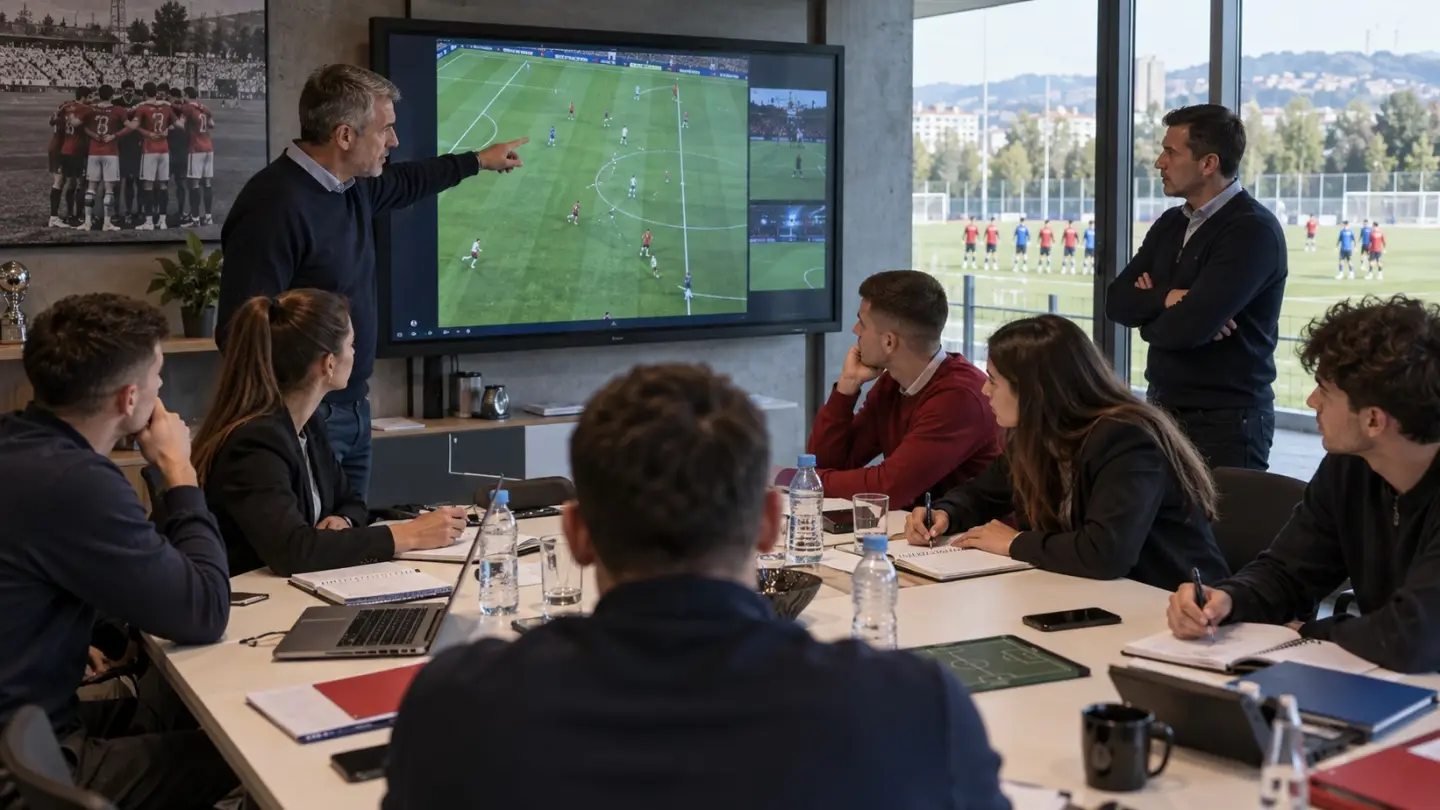
The Football Association of Serbia has officially opened its first academy for training sports administrators in domestic football. The programme was presented on 7 October in western Serbia as a systematic step in educating the people who run clubs and competitions. The confirmed date, result and line-up give a firm base, while any forecast should be kept apart from what has already happened. For the reader, the most useful thing is to see at once the reason, the key change and the first next test. That way the report stays clear even if the circumstances change later, and the assessment can be checked on the ground. For that reason, the next official update should confirm the consequence that is now marked as decisive.
Player development also depends on administration, finance, licensing, security and communication. A club with a good coach cannot progress over the long term if contracts, registrations, budgets and youth squad work are not part of the same plan. The difference is best seen in the process: who sets the conditions, who has to give ground first and how quickly a correction arrives. Two similar results can come from very different quality of play. The analysis therefore looks for a cause that can be repeated, not an explanation based only on the last move. Reading events this way gives the reader the basis to understand both the result and the decisions that preceded it.
Clubs need trained people off the pitch
The teaching should draw on concrete cases: drafting a season budget, organising a match, crisis communication and the route of a player up from the academy. A practical task shows more than theoretical knowledge of the rules without their application. The plan has to be clear enough to carry out under pressure. The first option uses the greatest advantage, and the fallback must answer the rival’s most likely reaction. Adding new tasks without a clear reason slows the decision; a good adjustment changes only the part that is not working and keeps what already produces results. Execution is then judged by the clarity of the decision, the speed of the reaction and the quality of the position after the attempt.

The biggest risk is that the diploma becomes a formality that does not change decisions at the club. The programme therefore needs a knowledge check, mentoring and a clear link to the standards the FSS requires during licensing. Risk management determines how long a plan can survive. A neutral outcome sometimes preserves position, energy or possession for a better chance, while forcing the pace without preparation opens the door to a counter. The balance between gain and danger shifts with time and the score, so the same decision is not equally good at the start and at the end. The true measure of discipline will be the number of situations in which the danger was recognised before it became damage.
The academy will be judged by application, not diplomas
Results can be measured by fewer administrative errors, more stable budgets, faster handling of registrations and better plans for the youth categories. The share of graduates who take on real responsibility also matters. These figures make it possible to test the conclusion after the event. The final score shows the outcome, but only a comparison period by period reveals where an advantage was built and whether it can be repeated. It is especially useful to separate the opening plan from decisions taken under fatigue, because that is where the stability of technique and the quality of preparation show. If the values are read in order, it will be clear whether a change was planned, temporary or accidental.
The academy opens a route to professionalising environments that do not have many specialised staff. If the knowledge reaches regional and lower-tier clubs, the benefit will not stay limited to the largest centres. The significance does not end with the last point or the last decision. A good performance opens a new opportunity, but consistency is what confirms that the change can last. A weaker result can still be useful if it produces two or three precise tasks. A broad overhaul of everything usually hides the real cause and makes the next check harder. That follow-up gives today’s news lasting value and links the immediate outcome to the next realistic goal.
Opening the academy is a good start, but the quality will be confirmed by the decisions its graduates make. Serbian football needs staff who turn rules into steadier everyday work, not another administrative obligation. The conclusion therefore has to remain tied to the evidence available now. The best next test will use the same checkpoints under different conditions, so it becomes clear what belongs to quality and what to circumstance. Repeating a good pattern against a new demand gives the assessment more weight than a single striking action. For that reason the final judgement should be updated only when a new, comparable figure comes from an official event.