
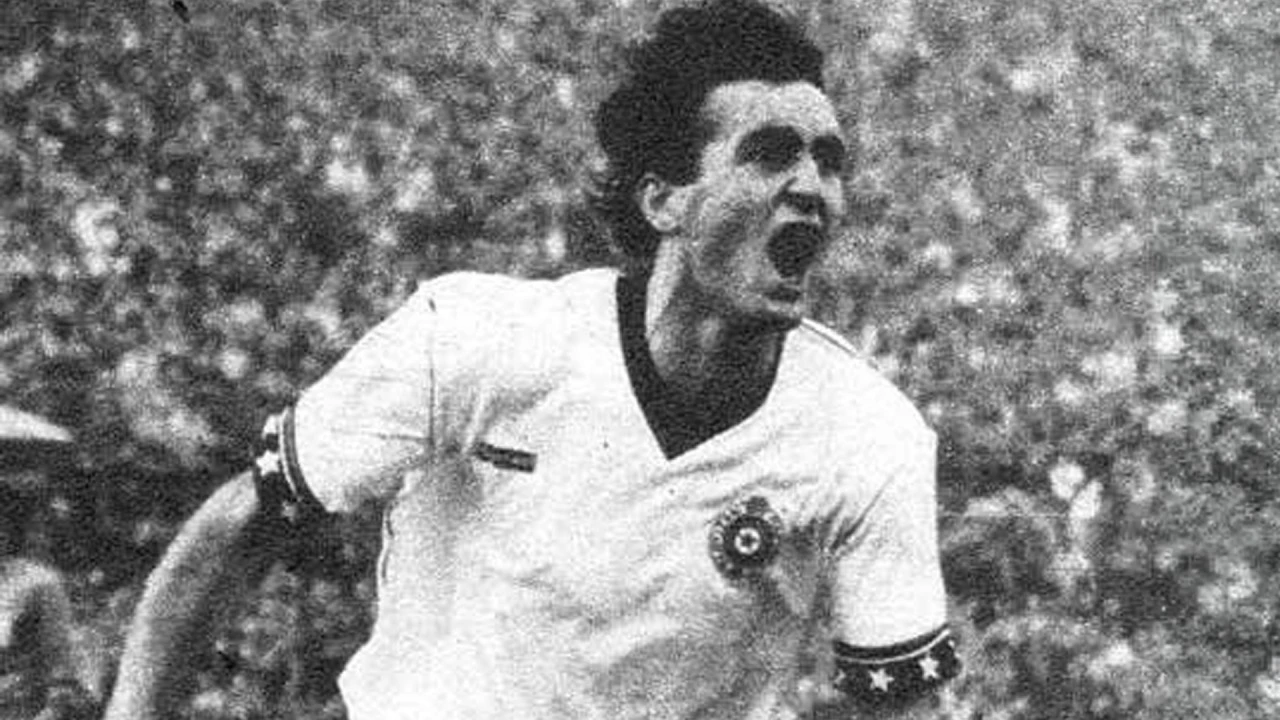
On 3 September Partizan marked 41 years since the death of Dragan Mance. The former striker was killed in a road accident in 1985, but his place in the club’s history is still visible through remembered goals, photographs, stories and the emotions tied to the black-and-white number nine. The club and its supporters still treasure the memory of a player who featured 134 times for Partizan and netted 47 goals.
Remembrance starts with the way he played
Mance is remembered as a striker who threw himself into decisive moments. Supporters recall the power of his finishing and the passion of his celebrations, not just the figures from his career. That difference explains why his image still means so much to generations who never saw him play in person. A historical profile should not invent modern tactical labels for every action. It can instead describe qualities visible in the records and in witness accounts: direct movement towards goal, courage in important matches and an ability to connect the crowd with the team through his goals.
The volley against Queens Park Rangers became a lasting image
Partizan has repeatedly singled out his volley against Queens Park Rangers as one of the finest goals in the club’s history. The moment endures because technique and significance came together in a single action. Mance had to judge the flight of the ball, set his body and strike first time. It is not merely a spectacular clip detached from the match, but part of how fans describe his confidence. A precise reminder of the goal is more convincing than exaggerated claims about every one of his appearances.
| Part of the legacy | Why it is remembered |
|---|---|
| Position | Centre-forward and Partizan’s number nine |
| Iconic moment | The volley against Queens Park Rangers |
| Date of death | 3 September 1985 |
| Commemoration | Partizan marked the 41st anniversary in 2026 |
The date carries a painful collective memory
On 3 September 1985 coach Nenad Bjeković halted training after telling the first team that Mance had died. The news was first heard by the players and then spread among people through radio, television and newspapers. Partizan’s commemoration explains how that shock stayed in the memory of older supporters, while younger ones inherited the story through family and the club. Anniversary coverage should not add invented dramatic details. The known circumstances are powerful enough on their own and deserve clear, restrained language.
A club legend can belong to people born long after him
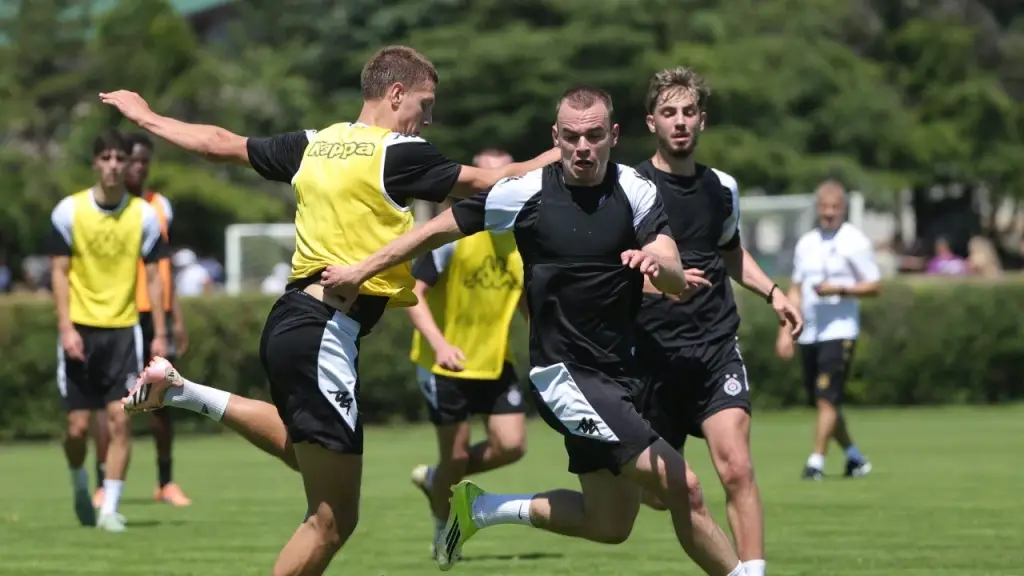
Many of today’s supporters were born years or decades after Mance’s last match. Yet they recognise his name, his number and his goal celebration, because football memory is passed on through stories and preserved footage. A parent describes a goal, an image of the old stadium is shown again, or a young striker learns why that shirt matters. This is not the same as pretending to have witnessed events. It is how a community keeps its history. The club’s official remembrance provides a shared foundation, so the story does not rest only on personal recollections that fade with time.
The number nine carries responsibility as well as glory
The famous shirt can inspire a young striker, but it also invites comparison with a player from another era. The useful lesson from Mance is not that a successor must copy his movement or his celebration. It is that commitment in decisive moments can shape a player’s bond with the fans. Modern players face different training methods, fixture schedules and tactical roles. They can honour the number by accepting responsibility and playing for the team, rather than performing an imitation that has nothing to do with the match in front of them.
Archives protect the details from becoming myth
Photographs, reports and preserved footage allow the club to safeguard exact moments. They help separate a confirmed match, goal or date from a story reshaped by repetition. An archive does not reduce emotion; it gives that emotion a reliable basis. Partizan can use anniversaries to present material in context, identify people correctly and explain why a particular scene matters. That work is especially important online, where an inaccurate description can spread faster than a careful correction. Respect includes accuracy about the person being remembered.
A strong memory does not need an invented conclusion
Forty-one years on, Mance remains part of Partizan’s identity because supporters keep telling his story and the club keeps marking the date. There is no need to claim that a new result completes his legacy or that a current player has replaced him. History and the present can stand side by side. The anniversary offers time to watch the remembered goal, listen to those who saw him play and understand why grief has become part of the club’s culture. That simple continuity is enough to explain why the legend remains alive.