
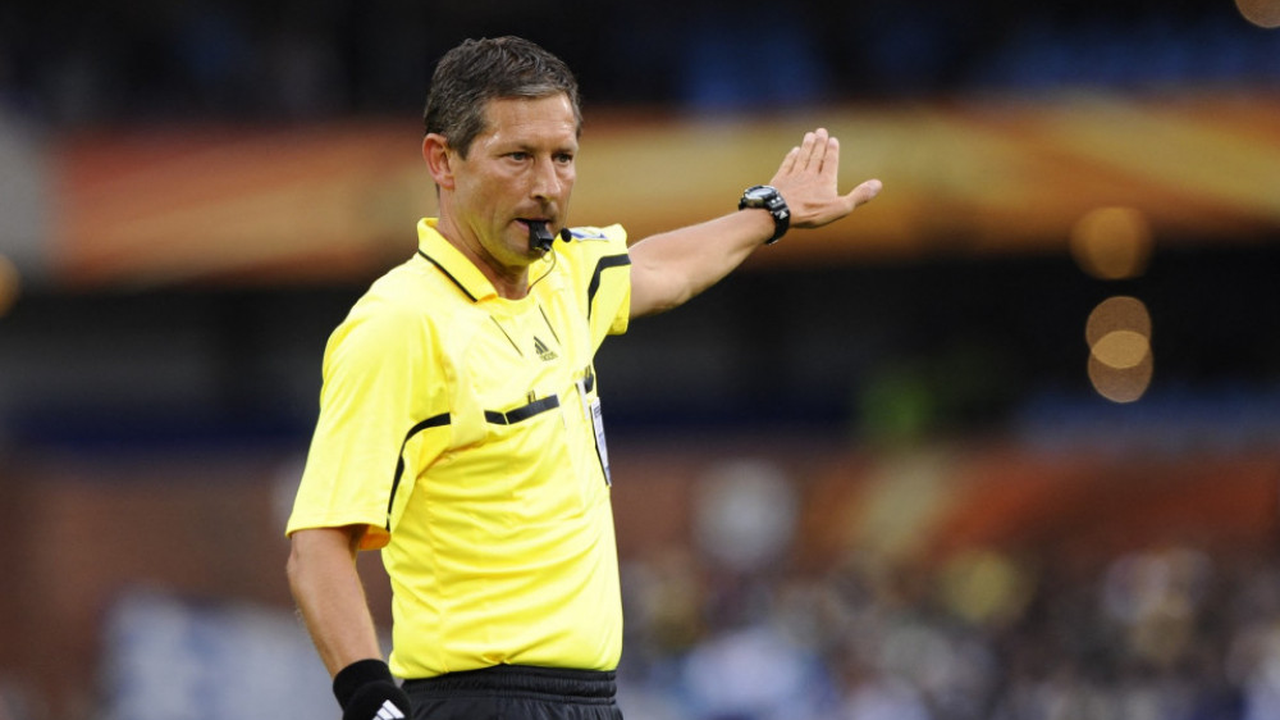
The appointment of Frank De Bleker as head of the FSS Referees Committee brings an important administrative issue to the Superliga ahead of the new season. It is not a signing on the pitch, but it could shape the tone of the entire league.
The former elite referee brings international authority to an area where trust has to be earned every single week. The first test will be whether his role produces clearer standards, rather than just a big name.
The timing makes sense
The appointment comes before the league reaches full speed. That gives the committee room to set out the language, expectations and way of reviewing contentious incidents.
If the first public explanations are clear, clubs will still argue, but the debate will at least start from known standards.
Authority has to become a process
De Bleker’s name carries weight because of the career he had as a referee. That reputation matters, but on its own it does not solve anything.
The practical work lies in appointments, training, analysis, communication and how mistakes are dealt with after matches.
VAR must speak the same language
Fans lose faith when similar situations receive different explanations. The new committee has to make those boundaries easier to understand.
That does not mean every decision will be popular. It means the league must explain why a threshold has been met, or why it has not.
| Signal | Meaning |
|---|---|
| New role | President of the FSS Referees Committee |
| Main task | Turning authority into a clear weekly process |
| First test | Consistent VAR and disciplinary thresholds |
| Best outcome | More trust and fewer chaotic debates |
Clubs will quickly test the tone
Serbian clubs are not patient when refereeing decisions affect points. The new leadership will be tested straight away in the first major argument over a penalty, a red card or a VAR delay.
The response to that moment will matter more than the appointment statement itself. A calm and concrete explanation is the only useful route.
Young referees need both protection and pressure
A stronger committee should shield young referees from the noise, but also hold them to serious standards. Those two things do not conflict.
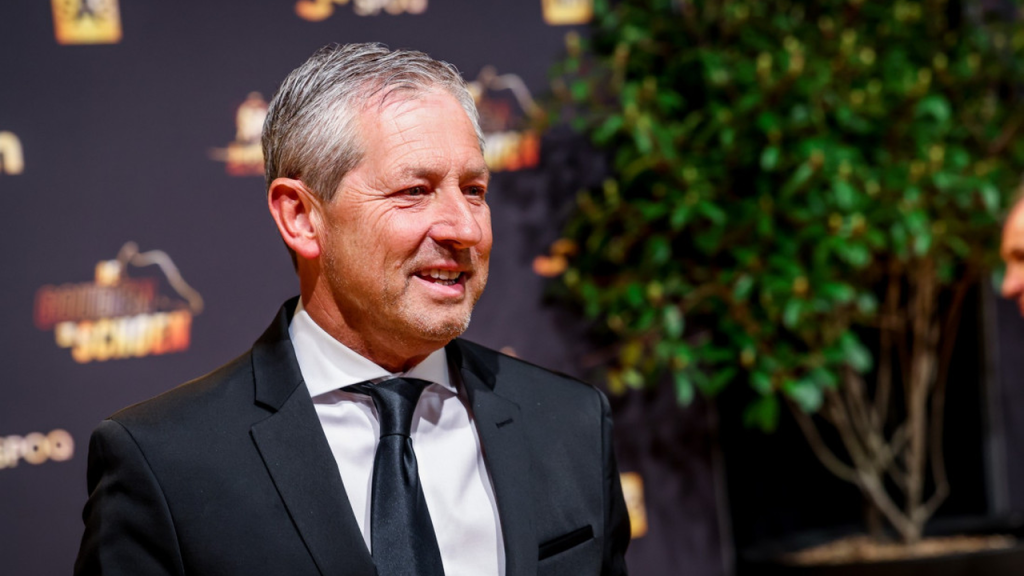
Frank De Bleker at a football event
If young referees are left alone after a mistake, development stalls. If mistakes carry no consequences, trust disappears.
The league needs visible consistency
The best outcome is not a season without errors. Football cannot promise that. The best outcome is visible consistency and a sense that the review process is fair.
That would give Serbian football a steadier base. The less time the league spends on refereeing wars, the more room is left for the game itself.
What the refereeing project must show
The refereeing project only matters if it changes weekly habits, not just public statements. Serbian football needs clearer criteria that players, coaches and fans can recognise from one round to the next.
A foreign specialist can help because they bring distance. That distance is only worth something if it becomes training, assessment and communication that domestic referees can rely on when the pressure rises.
The hardest part will be consistency. One well-handled derby or one seminar is not enough. The real test is whether ordinary league matches begin to look cleaner in the same types of contact, protest and VAR situations.
For SerbianSport, this topic matters because refereeing shapes the whole football environment. Better decisions will not end the debate, but they can make it less chaotic and give the league a clearer yardstick.
What the FSS role has to change
De Bleker’s work at the FSS will be judged by decisions from round to round, not by the appointment itself. Referees need clear guidance on contact in the penalty area, protests, time-wasting and VAR intervention.
Training is only one part of the job. Appointments, post-match analysis and public communication must work together. If a referee is corrected only behind closed doors, clubs still have no clear measure for the next contentious situation.

Serbian football officials at a ceremony
Young referees need a path that offers both protection and pressure. They must not be abandoned after a single error, yet serious standards have to remain in place. That is how development separates itself from repeated problems in judgement.
The opening rounds will show whether the new role carries practical weight. A clearer VAR threshold, faster explanations and uniform disciplinary decisions would reduce the chaos that so often follows close matches in Serbian football.
The FSS also has to decide how much explanation it gives after contentious rounds. Short public statements can cut confusion if they are consistent and specific. Silence usually leaves clubs free to interpret the decision on their own.
A stronger refereeing structure should help the league before its biggest matches. If ordinary games first receive clearer standards, derbies and European ties will be easier to control because players already know where the line sits.
Communication with clubs will matter before the season becomes tense. If captains and coaches receive the same guidance before the first major contentious incident, referees will find it easier to control protests on the pitch.
How incidents in the penalty area are judged will be especially important. If contact is treated as enough for a penalty one time and as a normal duel the next, dissatisfaction will return quickly. That is why the FSS must hold to the same line from the start of the season.
One of the first practical steps could be uniform work by match assessors. If assessors rate the same situations differently, referees receive mixed messages. A single review after each round would help the line stabilise more quickly.
Clubs would also benefit from knowing before the season how complaints from the bench will be sanctioned. When the rules of conduct are clear, less energy goes into argument and more into the game itself.